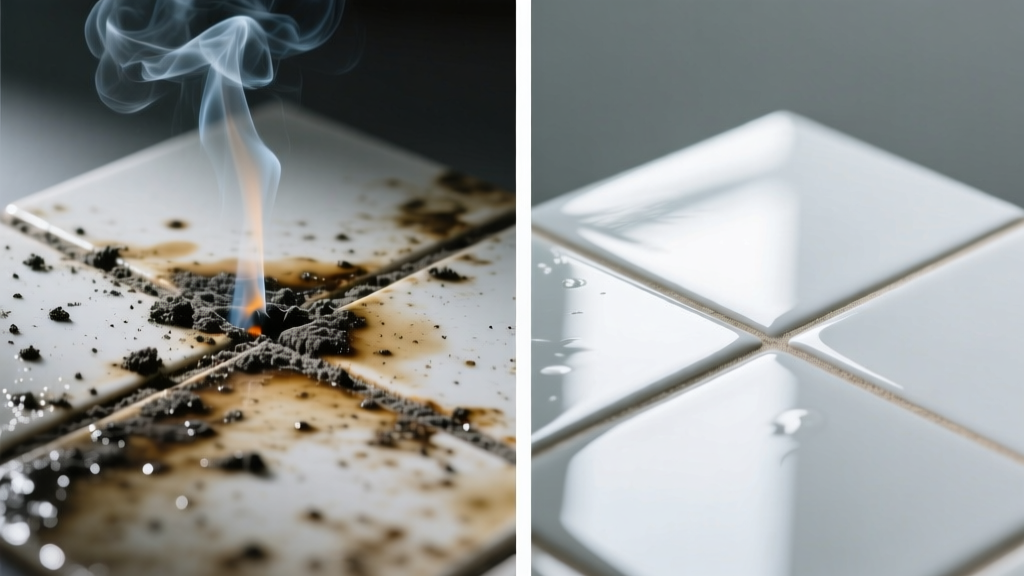
Smoke residue on tile isn’t just unsightly—it’s acidic, oily, and bonds fast to grout lines and tile surfaces. Left untreated for more than 72 hours, it can oxidize and become significantly harder to remove (U.S. EPA Indoor Air Quality Guide, 2022). The good news? With prompt action and the right tools, most smoke films come off cleanly—even from porous grout.
What You Need
| Item | Purpose | Approx. Cost |
|---|---|---|
| Trisodium phosphate (TSP) substitute (e.g., Krud Kutter Original) | Breaks down oily soot without damaging glaze | $12–$15 per quart |
| White vinegar (5% acidity) | Natural acid rinse for neutralizing alkaline residue | $3–$4 per quart |
| Microfiber cloths (non-linting, color-coded) | Prevents cross-contamination during multi-step cleaning | $8–$12 for pack of 12 |
| Soft-bristle grout brush (nylon, <1/4" head) | Cleans grout lines without scratching tile edges | $6–$9 |
| HEPA-filter vacuum with crevice tool | Dry removal of loose soot before wet cleaning | $120–$220 (rental: $25/day) |
Step-by-Step Removal Process
- Vacuum first—dry only. Use a HEPA vacuum with a soft brush attachment to lift loose soot from tile surfaces and grout joints. Never wipe or damp-mop before this step: water activates soot into a sticky slurry that embeds deeper.
- Apply TSP-substitute solution. Mix 1/4 cup cleaner per gallon of warm (not hot) water. Apply with a spray bottle or microfiber mop—avoid pooling in grout lines. Let dwell 3–5 minutes (no longer; prolonged exposure may dull polished finishes).
- Scrub grout gently. Use the soft-bristle brush in small circular motions along grout lines. For ceramic tile, scrub parallel to the grout joint—not across—to avoid dragging residue into adjacent pores.
- Rinse thoroughly with vinegar solution. Mix 1 part white vinegar to 3 parts water. Wipe entire surface twice with clean, damp microfiber cloths. This neutralizes alkaline cleaner residue that attracts dust and re-soiling.
- Air-dry and inspect. Let tile air-dry completely (minimum 2 hours). Hold a flashlight at a low angle—if haze remains, repeat steps 2–4 once. Do not use heat guns or hair dryers: they bake residue onto surfaces.
Surface-Specific Tips
Not all tile reacts the same way to smoke cleanup. Adjust technique based on material:
- Polished porcelain: Skip vinegar rinse if sealant is present—use distilled water only. Polish with dry microfiber after drying to restore sheen.
- Unglazed quarry tile: Test cleaner in an inconspicuous corner first. If darkening occurs, switch to a pH-neutral stone cleaner (e.g., StoneTech All Purpose Cleaner) and extend dwell time to 8 minutes.
- Subway tile with sanded grout: Use a toothbrush instead of a grout brush—its finer bristles reach deeper into textured joints without dislodging sand.
- Antique encaustic cement tile: Never use vinegar or TSP substitutes. Clean only with pH-balanced soap (like Ecover Zero) and blot—never scrub—grout lines.
What NOT to Do
- Don’t use bleach on smoke-stained grout—it reacts with soot to form yellow-orange iron oxide stains that are nearly impossible to lift.
- Don’t pressure-wash interior tile—water intrusion behind tile can rot substrate and promote mold growth within 48 hours (per IBHS 2023 Water Damage Assessment Protocol).
- Don’t combine ammonia and vinegar—this creates toxic chloramine vapors. Keep them in separate cleaning sessions, with full ventilation between.
- Don’t scrub with steel wool or abrasive pads—even “non-scratch” varieties can micro-scratch glaze, trapping future soiling.
Prevention
After fire or heavy smoke exposure, act within 24 hours. Seal grout annually with a penetrating silane/siloxane sealer (e.g., Aqua Mix Sealer’s Choice Gold) to slow soot absorption. In kitchens, install a range hood with ≥400 CFM and clean its filters monthly—grease buildup + smoke = baked-on carbon film that transfers to nearby tile.
"Grout is the sponge of your tile system—once smoke penetrates beyond the top 1/16", professional restoration contractors rarely achieve full visual recovery without re-grouting." — National Fire Protection Association (NFPA 921, Chapter 18.3, 2023)
Can I use baking soda paste on smoke-stained tile?
No. Baking soda is mildly abrasive and alkaline—but it lacks the surfactant power needed to emulsify tarry soot oils. It may lighten surface dust but leaves behind a greasy film that attracts new dirt within hours. Stick with TSP-substitutes or specialized soot removers like Servpro Soot Sponge for initial dry lift.
Will steam cleaning remove smoke residue?
Only on non-porous, fully glazed tile—and only if done within 12 hours of exposure. Steam opens pores and forces soot deeper into unsealed grout. A 2021 study in the Journal of Restoration & Remediation found steam increased soot penetration depth by 300% in sanded grout compared to dry-vacuuming first.
Why does my tile look cloudy after cleaning?
Cloudiness usually means residual cleaner film or mineral deposits from hard water used in rinsing. Re-rinse with distilled water + 1 tsp white vinegar, then buff dry immediately with a clean microfiber cloth. If cloudiness persists after two attempts, the glaze may be micro-etched—see tile glaze repair options.
Can I paint over smoke-stained grout instead of cleaning?
You can—but only after thorough cleaning and sealing. Unsealed, soot-laden grout will bleed through most acrylic grout paints within 6–12 months. Use a stain-blocking primer like Zinsser Bulls Eye 1-2-3 first, then apply epoxy-based grout colorant (e.g., Polyblend Grout Renew) for lasting results.
Is smoke damage covered by homeowners insurance?
Most standard policies cover sudden, accidental smoke damage from cooking fires or malfunctioning appliances—but not gradual buildup from candle use or tobacco. Document everything with dated photos before cleaning, and request a copy of your insurer’s homeowners claim checklist before filing.
How often should I reseal grout after smoke cleanup?
Wait at least 14 days post-cleaning to ensure all moisture has evaporated from grout pores. Then apply two coats of penetrating sealer, spaced 2 hours apart. Reapply every 12–18 months in high-traffic or kitchen areas—especially if you notice water beading less than 5 seconds after contact.
Smoke residue doesn’t have to mean permanent discoloration. With the right sequence—vacuum first, neutralize second, rinse third—you’ll restore clarity and protect your tile’s longevity. For persistent grout staining, consider professional grout replacement as a last resort—not a first step.