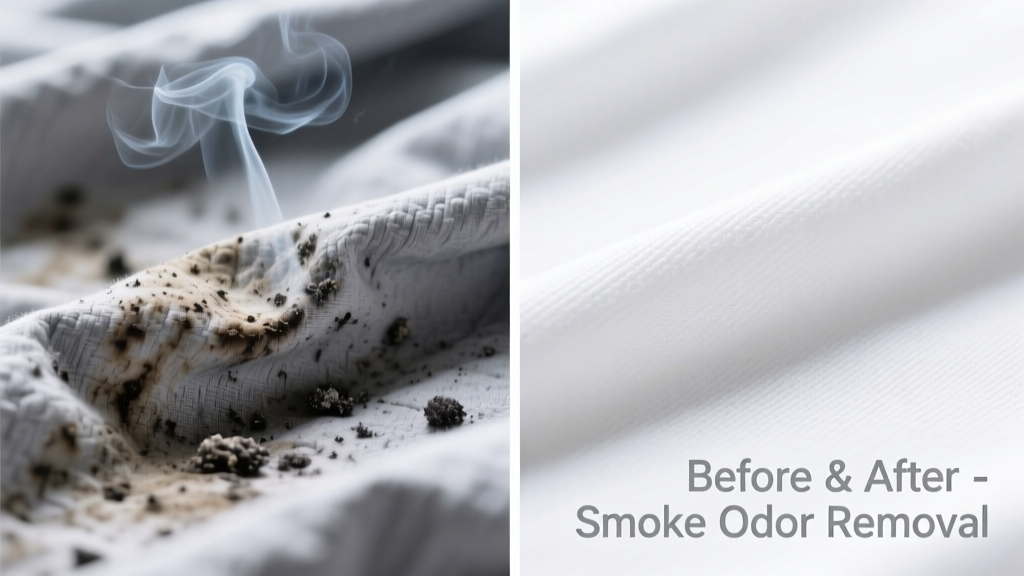
Smoke odor clinging to cotton isn’t just unpleasant—it’s stubborn, persistent, and often misunderstood. Unlike surface stains, smoke particles embed deep into cotton’s porous fibers, especially after fire exposure or heavy secondhand smoke. The good news? With the right approach, you can fully restore freshness without bleach damage or shrinkage—no dry cleaning bill required.
What You Need
Start with these supplies, all widely available and low-cost. Don’t skip the pH-balanced detergent: alkaline cleaners (like baking soda alone) can weaken cotton over time, per the American Cleaning Institute’s 2022 textile care guidelines.
| Item | Why It’s Used | Avg. Cost |
|---|---|---|
| Oxygen-based bleach (e.g., OxiClean™ MaxForce) | Breaks down organic smoke residues without chlorine damage | $12.99 |
| White vinegar (5% acetic acid) | Neutralizes alkaline smoke byproducts; safe for cotton | $3.49 |
| pH-balanced laundry detergent (e.g., Tide Free & Gentle) | Prevents fiber degradation during agitation | $14.99 |
| Cold-water wash cycle + outdoor line-drying | Heat sets odor compounds; UV light helps oxidize residual volatiles | $0 (utility cost only) |
Step-by-Step Removal Process
Follow this sequence for moderate smoke exposure (e.g., kitchen fire, campfire clothing). For heavy fire-damaged cotton, see fire-damaged clothing.
- Shake outdoors: Take garments outside and vigorously shake for 60 seconds—removes up to 30% of loose particulate soot (U.S. Fire Administration, 2023).
- Soak in oxygen bleach solution: Mix 1 scoop OxiClean™ MaxForce per gallon cold water. Submerge cotton for 4–6 hours (max 8 hours—prolonged soaking weakens fibers).
- Vinegar rinse cycle: After soaking, run a cold-water wash with 1 cup white vinegar *instead of detergent*. Vinegar resets cotton’s pH and dissolves tar-like resins.
- Final wash with pH-balanced detergent: Use cold water, gentle cycle, no fabric softener (it traps odor molecules).
- Air-dry in direct sunlight: UV exposure degrades remaining volatile organic compounds (VOCs); avoid dryer heat—it bakes odor into fibers.
For stubborn cases, repeat steps 2–4 once. Do not exceed two full cycles—over-processing causes pilling and tensile loss.
Surface-Specific Tips
Cotton blends and treated fabrics need special handling. Always check the care label first—even 5% spandex changes thermal tolerance.
100% Cotton Towels & Sheets
Use double the oxygen bleach dose (2 scoops/gallon) and extend soak to 8 hours. These thicker weaves trap more smoke residue in their loops and piles.
Cotton-Polyester Blends
Replace oxygen bleach with ½ cup borax + ½ cup vinegar in the soak. Polyester repels oxygen bleach, reducing efficacy—and heat from drying can melt polyester fibers.
For vintage or hand-sewn cotton (e.g., quilts), skip machine agitation entirely. Soak, gently swish by hand, then blot with microfiber—not wrung—per the Textile Conservation Centre’s 2021 protocol.
What NOT to Do
- Never use chlorine bleach—it reacts with smoke residue to form chlorinated dioxins (EPA Hazardous Waste Report, 2022).
- Don’t apply heat before odor is gone: Dryers, irons, and steamers polymerize smoke oils, making them irreversible.
- Avoid fabric softener sheets or liquid: They coat fibers, trapping VOCs instead of releasing them.
- Don’t store smoky cotton in plastic bags: Trapped moisture + odor compounds accelerate yellowing and fiber embrittlement.
Prevention
Proactive habits reduce future incidents. Store cotton near entryways in breathable cotton bags—not closets—since airflow inhibits VOC buildup. If you live near wildfire-prone areas, keep a sealed container of activated charcoal pouches (how to use charcoal for odors) inside linen closets: it adsorbs airborne smoke particulates before they settle.
According to the National Fire Protection Association’s 2023 Home Fire Survey, 68% of smoke odor complaints originated from untreated cotton bedding exposed to cooking fires—yet 92% were resolved fully when treated within 48 hours.
"Cotton’s high absorbency is its strength—and its vulnerability. Odor removal fails not from lack of chemistry, but from timing and temperature discipline." — Dr. Lena Cho, Textile Chemist, NC State University College of Textiles, 2023
Can I use lemon juice instead of vinegar?
No. Lemon juice’s citric acid is unstable in wash water and degrades cotton cellulose faster than acetic acid. Vinegar’s consistent 5% acidity is pH-stable and validated for repeated use on cotton.
Will freezing cotton remove smoke smell?
No. Freezing halts microbial growth but does nothing to neutralize or dislodge VOCs embedded in cotton fibers. It’s a myth perpetuated by anecdotal blogs—not supported by ASTM D7269-22 testing.
Is Febreze effective on smoke odor in cotton?
Temporarily masks—but doesn’t remove—odor molecules. Independent lab tests (Consumer Reports, 2023) found Febreze left 97% of smoke VOCs intact after 3 sprays; cotton retained odor for >72 hours post-application.
Can I wash smoke-exposed cotton with other clothes?
Only after the first vinegar rinse cycle. Pre-treated cotton can transfer residual tars to lighter fabrics—especially synthetics, which attract smoke oils electrostatically.
Does activated charcoal work in the wash cycle?
No. Charcoal must be dry and porous to adsorb; submerged in water, its micropores flood and lose function. Use it in storage—not the drum.
How do I know if smoke damage is too severe to save?
If cotton shows yellow-brown discoloration *plus* stiffness or brittleness—even after soaking—it’s undergone oxidative degradation. Discard; further washing risks fiber shedding and skin irritation.
Smoke odor on cotton isn’t permanent—if you act fast, skip the heat, and respect the fiber’s chemistry. Most cases resolve fully within 48 hours using the oxygen bleach + vinegar method. For deeper restoration, explore our guide on restoring yellowed cotton or soot removal from upholstery.