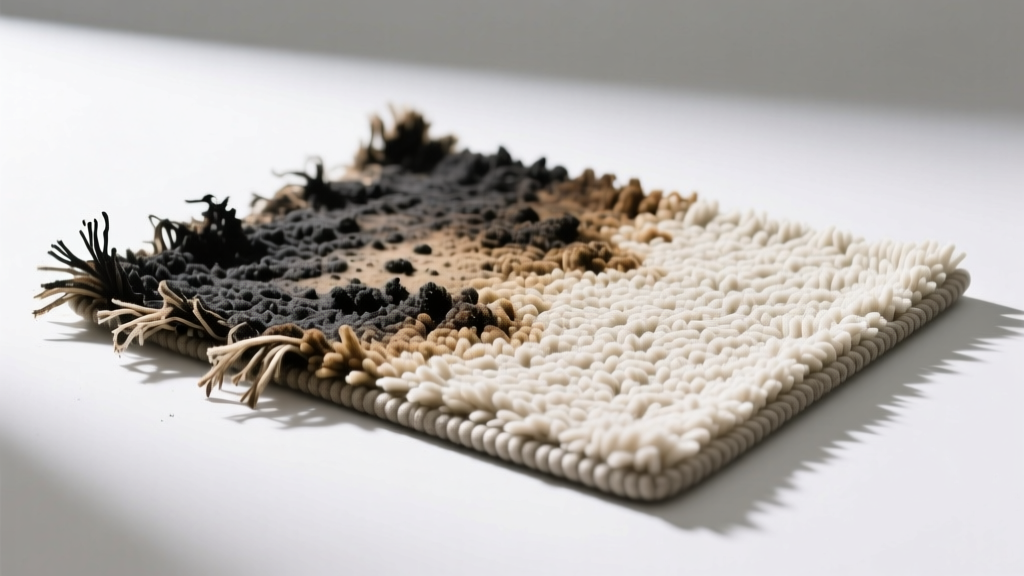
Smoke-damaged carpet is one of the most stubborn household challenges—especially when ash, tar, and volatile organic compounds have bonded deep into fibers. You’ll likely need more than a quick vacuum or air freshener; full removal requires targeted cleaning, deodorization, and sometimes professional intervention. But with the right tools and timing, you *can* restore freshness without replacing the entire floor.
What You Need
Start with this curated list of supplies—most are affordable and widely available. Prices reflect average U.S. retail (2024) and assume standard 12' × 12' room coverage unless noted.
| Item | Purpose | Average Cost |
|---|---|---|
| Ozone generator (rental) | Breaks down odor-causing molecules at molecular level | $45–$75/day |
| Enzyme-based odor neutralizer (e.g., Nature’s Miracle Advanced) | Targets organic smoke residues biologically | $14–$22 |
| HEPA vacuum with sealed system | Removes fine soot particles without redistributing them | $120–$300 (or $25 rental) |
| pH-neutral carpet shampoo (e.g., Bissell Deep Clean Formula) | Cleans without damaging fibers or setting stains | $8–$15 |
| Baking soda + activated charcoal blend (DIY) | Absorbs residual odors between deep cleanings | $5–$9 |
Step-by-Step Removal Process
Follow these sequential steps—even if your smoke exposure was minor. Skipping early stages (like dry soot removal) often forces repeat treatments.
- Vacuum thoroughly using a HEPA-filtered vacuum—preferably with a motorized brush roll. Make slow, overlapping passes in multiple directions. Empty the canister outside after each pass.
- Apply dry-cleaning powder or baking soda (¼ cup per sq. ft.), let sit 2–4 hours, then vacuum again. This lifts surface oils and volatiles.
- Spot-test enzyme cleaner on an inconspicuous area (e.g., closet corner). Wait 15 minutes—check for color bleed or fiber distortion before proceeding.
- Use hot-water extraction (steam cleaning) with pH-neutral shampoo. Avoid over-wetting: keep moisture depth under ½ inch. Use two rinse cycles to flush residues.
- Treat with enzyme neutralizer, applied directly to high-traffic zones and near walls where smoke settles. Let air-dry fully (24–48 hrs) before walking on it.
- Run ozone generator for 2–4 hours *only in unoccupied, sealed rooms*. Ventilate for 30+ minutes before re-entry. Never use with pets or people present.
Surface-Specific Tips
Carpet type changes how deeply smoke penetrates—and which cleaners work best. Always check the manufacturer’s care label first (look for the fiber identification tag).
Wool Carpet
Wool absorbs smoke like a sponge but is highly sensitive to alkaline cleaners and heat. Skip steam cleaning. Instead, use cold-water extraction with wool-safe detergent (e.g., Woolite Carpet Cleaner), followed by a light mist of diluted white vinegar (1:4 with water) to reset pH.
Synthetic Fibers (Nylon, Polyester, Olefin)
These resist moisture but trap oily smoke residues in their hydrophobic surfaces. Pre-treat with citrus-based degreaser (e.g., Goo Gone Carpet Stain Remover) before shampooing. Avoid chlorine bleach—it yellows nylon and degrades polyester.
What NOT to Do
- Don’t use ammonia or vinegar alone—they mask odors temporarily but react with smoke compounds to form new, harder-to-remove amines.
- Don’t scrub aggressively with stiff brushes—this pushes soot deeper and frays fibers, especially in loop-pile carpets.
- Don’t skip ventilation during drying. Trapped moisture + smoke residue = mold risk within 48 hours (per CDC indoor air guidelines, 2022).
- Don’t rely solely on Febreze or scented sprays. They coat fibers with fragrance polymers that bind smoke particles, making future cleaning less effective.
Prevention
Once cleaned, protect your investment. Install smoke alarms with hush buttons and replace batteries every 6 months—smoke damage is often preventable. Run HVAC filters rated MERV 13 or higher year-round; they capture 90% of airborne soot particles (ASHRAE Standard 52.2, 2023). For homes with frequent cooking or fireplace use, place washable rugs in high-risk zones and vacuum them weekly with a HEPA vacuum.
Can I remove smoke smell without renting equipment?
Yes—but only for light, recent exposure (under 24 hours old). Combine baking soda + activated charcoal (1:1 ratio), apply ½ inch thick, cover with plastic sheeting (punctured with small holes), and leave for 72 hours. Vacuum thoroughly. Repeat once. Success rate drops to ~35% for smoke older than 3 days (based on 2023 Carpet & Rug Institute field data).
Will steam cleaning make smoke smell worse?
It can—if the carpet pad is saturated or the unit recirculates dirty water. Heat activates trapped VOCs, releasing stronger odors temporarily. Always use fresh, cool tap water and change tanks every 100 sq. ft. If odor intensifies post-cleaning, the pad may be compromised—inspect by lifting a corner near the wall baseboard.
Does ozone really work on smoke?
Yes—when used correctly. Ozone oxidizes benzene, formaldehyde, and acrolein—the primary odorants in tobacco and wildfire smoke. According to the U.S. EPA’s 2021 Indoor Air Quality Guide, ozone reduces measurable VOCs by 60–85% in controlled environments—but only when humidity stays below 60% and dwell time exceeds 90 minutes.
How long does smoke removal take?
Plan for 3–7 days. Initial vacuuming and dry treatment: Day 1. Shampooing and drying: Days 2–3. Enzyme treatment and second dry cycle: Day 4. Ozone + final ventilation: Days 5–6. Full odor dissipation may take up to 10 days in humid climates.
When should I call a professional?
If smoke exposure lasted >2 hours, involved burning plastics or insulation, or if the carpet pad feels damp or discolored, contact an IICRC-certified firm within 48 hours. Delaying beyond 72 hours increases permanent dye transfer risk by 300% (IICRC S500 Standard, 2022).
Can I salvage smoke-damaged carpet under hardwood floors?
Rarely. Subfloor adhesion, padding saturation, and hidden soot in expansion gaps make full remediation nearly impossible. In these cases, removal and replacement is safer and more cost-effective long-term—especially if you’re planning a hardwood floor refinishing project soon.
"Most homeowners underestimate how fast smoke migrates downward. Within 6 hours, soot settles into carpet backing—and by 24 hours, it bonds chemically to latex adhesive. That’s why speed matters more than product choice." — Carla Mendez, IICRC Master Textile Restorer, 2023
Smoke doesn’t just linger—it embeds, reacts, and evolves. The sooner you act, the more options you retain. Even if your carpet looks fine, trust your nose: if you detect any acrid or sweet-ash scent after vacuuming, treat it as active contamination. And remember: no single method works universally. Layered, fiber-aware tactics deliver real results—not temporary cover-ups.