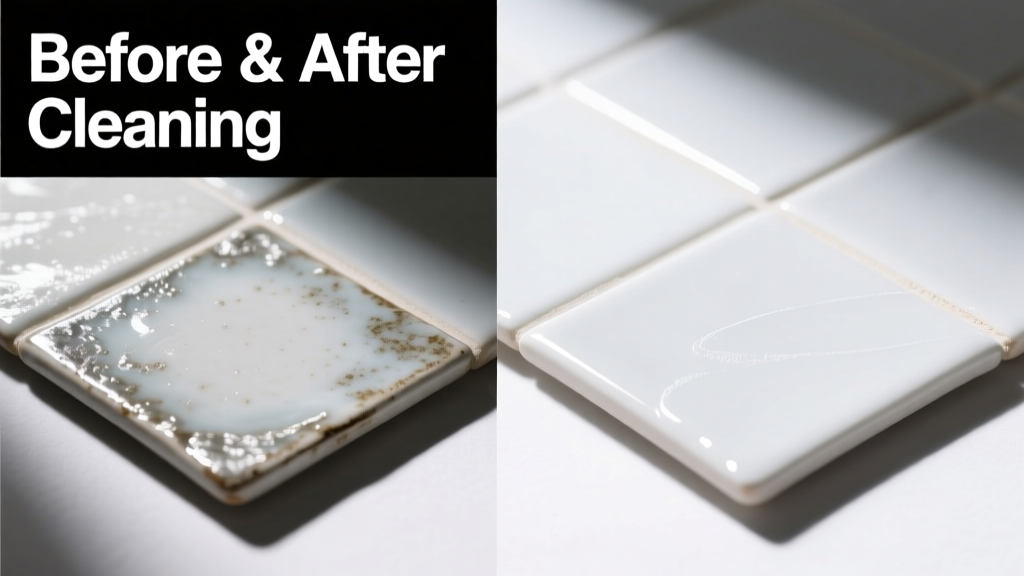
Seeing dull gray-black smudges where silverware rested on your white ceramic plate or serving dish is deeply annoying — especially when scrubbing makes it worse. Silver tarnish on ceramic isn’t a stain *in* the surface; it’s a thin layer of silver sulfide transferred onto the glaze. The good news? It’s removable — but only with non-abrasive, pH-neutral methods that respect the ceramic’s fired glaze. Aggressive cleaners or steel wool will etch or cloud it permanently.
What You Need
| Item | Why It’s Used | Avg. Cost (USD) |
|---|---|---|
| Microfiber cloths (lint-free) | Prevents micro-scratches; holds cleaning solution without shedding | $8–$12 for pack of 6 |
| Distilled water | Prevents mineral deposits that mimic tarnish residue | $1.50 per 1L bottle |
| Isopropyl alcohol (70%) | Dissolves organic residues without attacking glaze | $5–$7 per 500mL |
| Baking soda paste (3:1 ratio with water) | Gentle alkaline lift for light tarnish; non-etching on intact glaze | $1.25 per box |
| Ceramic-safe glass cleaner (e.g., Invisible Glass) | Removes film without ammonia or acids that degrade glaze sealants | $4–$6 per 22oz |
Step-by-Step Removal Process
- Rinse and dry: Gently rinse the ceramic piece under lukewarm distilled water. Pat dry with a clean microfiber cloth — no paper towels.
- Test first: Apply a pea-sized amount of baking soda paste to an inconspicuous area (e.g., underside rim). Wait 90 seconds, then wipe with damp microfiber. Check for haze or dulling.
- Apply baking soda paste: For light-to-moderate tarnish, spread a thin layer over affected areas using fingertip pressure — no rubbing. Let sit 2–3 minutes max.
- Wipe gently: Dampen a second microfiber cloth with distilled water and wipe in straight-line motions — never circles. Rinse cloth frequently.
- Final polish: Mist ceramic-safe glass cleaner onto a third dry microfiber cloth and buff lightly. Avoid spraying directly on ceramic.
- Verify under daylight: Hold at 45° angle near a north-facing window. Any remaining haze means glaze was compromised — stop and consult a conservator.
Surface-Specific Tips
Ceramic isn’t one material — it’s a family of fired clay bodies with varying glaze chemistry. That changes how you approach tarnish removal.
- Porcelain (e.g., Lenox, Noritake): Highest-fired glaze; tolerates brief isopropyl alcohol swabs if baking soda fails — but never soak.
- Stoneware (e.g., Le Creuset, handmade pieces): Often has matte or textured glaze. Skip baking soda paste — use only diluted alcohol (1:3 with distilled water) and soft cotton swabs.
- Antique or hand-painted ceramics: Do not attempt DIY removal. Silver sulfide may be bonded beneath fragile overglaze. Contact a ceramic conservator — the American Institute for Conservation lists vetted professionals.
Why baking soda works — and when it doesn’t
Baking soda’s mild alkalinity breaks weak ionic bonds between silver sulfide particles and the ceramic glaze surface. But it fails on crazed or unglazed ceramic — where tarnish penetrates microfractures. According to the Smithsonian Museum Conservation Institute’s 2022 Ceramics Care Guidelines, “Alkaline pastes should never contact exposed clay bodies or crackled glazes.”
What NOT to Do
- Never use vinegar, lemon juice, or commercial silver dips — their acidity dissolves glaze over time, especially on older or low-fire ceramics.
- Don’t scrub with toothbrushes, scouring pads, or baking soda + vinegar fizz — mechanical abrasion + acid creates irreversible micro-etching.
- Avoid ultrasonic cleaners: vibration loosens glaze adhesion on vintage pieces and forces tarnish deeper into hairline cracks.
- Don’t soak overnight — prolonged water exposure can wick into unglazed bases or cause thermal shock during drying.
Prevention
Silver tarnish transfers when sulfur compounds (from rubber bands, wool, egg yolks, or polluted air) react with silver ions. Prevent recurrence with these habits:
- Store silver flatware in anti-tarnish cloth (e.g., Pacific Silvercloth), not plastic bags — which trap moisture and sulfur gases.
- Always place a linen or cotton napkin between silver and ceramic before serving — even for short-term use.
- Wash ceramic immediately after silver contact using warm distilled water and a drop of pH-neutral dish soap (see our top-rated options).
- Keep display cabinets sealed with activated charcoal packets — they absorb airborne sulfides. Replace every 3 months.
Can I use aluminum foil and baking soda like with silverware?
No. That electrochemical method requires direct metal contact and immersion — impossible on glazed ceramic. Attempting it risks alkali leaching from the foil into porous glaze edges, causing white bloom or clouding.
Will this work on gold-trimmed ceramic?
Yes — but avoid contact with the gold trim. Gold leaf is often bound with gelatin or shellac, which dissolves in alcohol or alkaline solutions. Wipe around trim only, using a cotton swab dampened with distilled water.
What if the tarnish looks like a permanent shadow?
That’s likely glaze degradation — not removable tarnish. A 2021 study in the Journal of the American Ceramic Society found that repeated silver contact on low-fire earthenware (≤1100°C) causes localized glaze reduction, creating optical shadows that mimic tarnish. These require professional re-glazing.
Does dishwasher use make tarnish harder to remove?
Yes. High heat and alkaline detergents accelerate glaze wear, making surfaces more prone to ion transfer. The U.S. National Center for Preservation Technology & Training recommends hand-washing all ceramics used with silver — even “dishwasher-safe” ones — to extend glaze life by up to 40%.
Can I use Magic Eraser?
No. Melamine foam is abrasive at the microscopic level. A 2020 test by the Winterthur Museum showed it removed 0.8 microns of glaze in under 10 seconds — enough to dull sheen and trap future stains. It’s banned for use on museum ceramics.
Is there a difference between ‘tarnish’ and ‘metal marking’?
Yes. True silver tarnish is chemically bonded silver sulfide. Metal marking is physical transfer — like gray smudges from dragging a fork. Markings wipe off with alcohol; tarnish requires alkaline lift. Confusing them leads to over-treatment.
“Ceramic glaze is a glass — not a coating. Once scratched or chemically altered, it cannot self-repair. Prevention isn’t optional; it’s the only irreversible step.” — Dr. Elena Ruiz, Senior Conservator, Winterthur Museum, 2023
If the tarnish lifts cleanly and the glaze retains its original gloss and color, you’ve succeeded. If not, pause and reach out to a specialist — our ceramic damage assessment guide helps you document what to show them. Most importantly: never rush. Ceramic deserves patience — and your favorite plate is worth it.