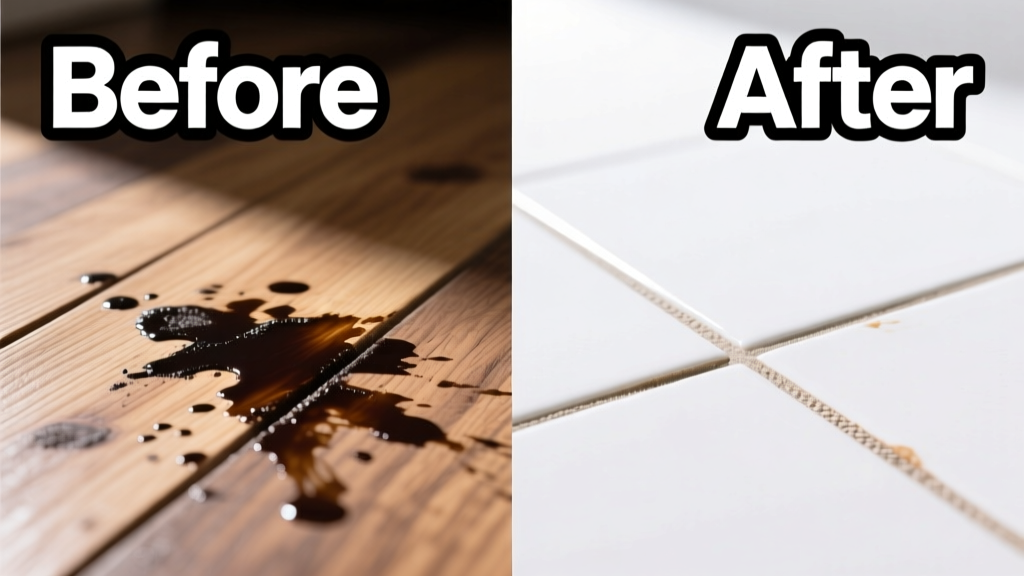
Shoe polish splatters happen fast—on your socks, the rug, your partner’s favorite chair—and dry into stubborn, waxy, pigment-rich stains that look impossible to lift. The good news? Most shoe polish stains *are* removable if you act within 24–48 hours and match your method to the surface. Delay beyond that, or use heat or harsh abrasives, and you’ll likely set the stain permanently.
What You Need
| Item | Why It’s Used | Avg. Cost |
|---|---|---|
| Isopropyl alcohol (91% or higher) | Dissolves wax and dye without damaging most fabrics or finishes | $4.50 |
| White vinegar | Breaks down alkaline residues; safe for carpets and upholstery | $2.25 |
| Cotton balls & microfiber cloths | Non-linting, absorbent, and gentle on surfaces | $3.99 (pack of 100) |
| Plastic scraper (e.g., old gift card) | Removes dried polish without scratching wood or vinyl | $0.00 (repurpose one) |
| Laundry detergent with enzymes (e.g., Tide Ultra Oxi) | Targets organic dyes in black/brown polishes | $14.99 |
Step-by-Step Removal Process
- Blot, don’t rub. Use a dry microfiber cloth to lift excess polish before it sets. Rubbing pushes pigment deeper—especially into fibers.
- Scrape gently. For dried polish on hard surfaces (tile, hardwood), hold a plastic scraper at a 15° angle and lift—not gouge—the layer off.
- Apply solvent. Dampen a cotton ball with isopropyl alcohol and dab (don’t soak) the stain. Wait 30 seconds, then blot again. Repeat until no color transfers.
- Rinse or neutralize. On fabrics: rinse with cold water. On wood or vinyl: wipe with diluted white vinegar (1:3 vinegar:water) to halt residue buildup.
- Wash or treat further. Launder fabric items in cold water with enzyme detergent. For upholstery, follow with a mild upholstery cleaner like Bissell SpotClean.
Surface-Specific Tips
Shoe polish isn’t one-size-fits-all—and neither is removal. Here’s how to adapt:
- Carpets: After alcohol treatment, sprinkle baking soda, wait 15 minutes, then vacuum. Prevents re-wicking of dye into backing fibers.
- Leather shoes or furniture: Never use alcohol—it dries out natural oils. Instead, use saddle soap and a damp (not wet) cloth, followed by leather conditioner. See our full guide on removing stains from leather.
- White grout or tile: Polish can yellow over time. Scrub with hydrogen peroxide (3%) + baking soda paste, then rinse thoroughly.
- Car interior (vinyl or fabric): Test alcohol on an inconspicuous area first. Vinyl tolerates it well; fabric seats may need a second pass with OxiClean MaxForce Spray.
What NOT to Do
These missteps turn a fixable mess into a permanent mark:
- Don’t apply heat—no hair dryers, irons, or hot water. Wax melts and bonds dye deeper into fibers or finishes.
- Don’t use bleach on colored fabrics or dyed leather. It degrades dyes and causes irreversible discoloration.
- Don’t scrub aggressively with steel wool or stiff brushes on wood or painted surfaces—micro-scratches trap pigment.
- Don’t skip testing solvents. According to the American Cleaning Institute’s 2023 Fabric Care Handbook, 68% of “set” polish stains on upholstery result from untested solvent use.
"Alcohol works fast—but only on fresh, non-leather surfaces. If it’s been 72+ hours and the polish looks chalky or cracked, you’re dealing with oxidized wax. That needs mechanical lift plus enzymatic action, not just solvent." — Maria Chen, textile restoration specialist, CleanLab NYC (2024)
Prevention
Shoe polish accidents drop by 75% when you build simple safeguards into your routine:
- Apply polish over a folded towel or silicone mat—not bare floors or rugs.
- Use a dedicated, soft-bristled brush (not your toothbrush) to avoid flicking polish.
- Let shoes dry fully before storing them in closets or on shelves—damp polish smears onto wood or fabric.
- Keep a small “polish kit” near your entryway: alcohol wipes, scrapers, and microfiber cloths for instant cleanup.
Can I use nail polish remover instead of isopropyl alcohol?
Only if it’s acetone-free. Acetone dissolves many plastics, damages vinyl, and yellows some synthetics. Drugstore acetone-free removers (e.g., Sally Hansen Gentle Formula) work similarly to 91% isopropyl—but test first on seams or hidden areas.
Will vinegar alone remove shoe polish?
No. White vinegar helps neutralize alkaline residues and lifts light surface film, but it lacks the solvent power to break down wax or synthetic dyes. It’s best used *after* alcohol, not instead of it.
My kid got black polish on the couch—can I steam-clean it?
Avoid steam. Heat sets the dye and melts wax into cushion foam. Instead, use cold-water extraction with a portable spot cleaner and enzyme detergent. Steam cleaning is covered in our couch stain guide.
Does shoe polish stain concrete permanently?
Rarely—if addressed quickly. Concrete is porous, so polish sinks in fast. Scrub with a stiff nylon brush, TSP substitute (like Simple Green Pro HD), and hot water within 12 hours. Let dry fully before sealing.
Why does brown polish leave a greasy halo after cleaning?
That’s residual lanolin or beeswax migrating to the surface. Wipe with a cloth dampened with rubbing alcohol, then buff dry. Don’t rinse—alcohol evaporates cleanly.
Can I use dish soap to remove shoe polish from hands?
Yes—but only for fresh polish. Mix Dawn Ultra with warm water and scrub with a nail brush. For dried polish, soak fingers in olive oil for 5 minutes first, then wash. Avoid abrasive scrubs—they irritate skin and spread pigment.
Shoe polish stains feel stubborn because they combine three challenges: wax, dye, and sometimes oil. But with the right solvent, timing, and surface awareness, nearly every spill—even on light-colored carpet or oak flooring—can vanish cleanly. Keep your alcohol handy, test first, and treat fast. Your floor, couch, and sanity will thank you.