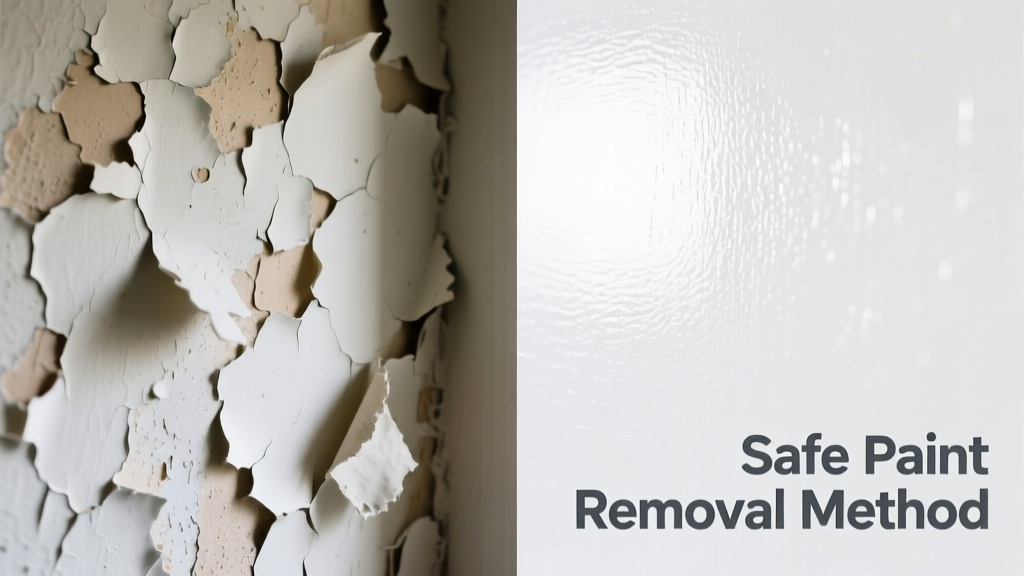
Paint splatters on wallpaper are a common accident—but panic makes it worse. Unlike painted walls, wallpaper has delicate layers: vinyl, paper, fabric, or foil backing—and moisture, abrasion, or solvents can permanently damage them. Most paint-on-wallpaper incidents involve latex (water-based) paint, which *can* be removed if caught early and handled correctly. Oil-based or spray paint? Much harder—often requiring partial replacement. This guide focuses on safe, reversible methods first.
What You Need
Success hinges on using the right tools—not brute force. Below is a curated list of supplies, priced for U.S. home centers (2024 averages), with notes on why each matters:
| Item | Why It’s Included | Avg. Cost (USD) |
|---|---|---|
| White vinegar (distilled) | Weak acid that softens dried latex paint without degrading most wallpaper adhesives | $2.99 |
| Microfiber cloths (lint-free) | Non-abrasive; prevents scratching or fiber transfer onto wet wallpaper | $5.49 for pack of 6 |
| Plastic putty knife (1/2" blade) | Flexible, non-scratching edge for gentle lifting—never use metal | $3.29 |
| Steam cleaner (handheld, 1200W+) | Loosens paint bonds via controlled heat/moisture—critical for vinyl or washable papers | $59.99 (rental option: $12/day) |
| Isopropyl alcohol (70% or 91%) | Effective on fresh acrylics; test first—can dull metallic inks or dissolve some foils | $4.79 |
Step-by-Step Removal Process
Begin only after confirming your wallpaper type (see wallpaper types guide). Never skip the patch test—it takes 90 seconds and saves hours of repair.
- Blot, don’t rub: Use a dry microfiber cloth to gently lift wet paint. Rubbing forces pigment deeper into fibers.
- Test solvent compatibility: Dampen a cotton swab with vinegar or 70% isopropyl alcohol. Apply to an inconspicuous corner (e.g., behind furniture). Wait 2 minutes. If color bleeds, texture lifts, or gloss dulls, stop—use steam only.
- Vinegar soak method (for dried latex): Fold a cloth in quarters, saturate with warm white vinegar (not boiling), and lay over stain for 4–6 minutes. Re-wet if drying out. Gently lift softened paint with plastic knife at 15° angle.
- Steam-assisted removal (for vinyl or scrubbable papers): Hold steamer nozzle 2 inches from surface for 10–15 seconds per 2"x2" zone. Wipe immediately with dry microfiber. Repeat only once per spot—over-steaming weakens adhesive.
- Dry thoroughly: Use a fan on low setting for 20 minutes. Never use a hair dryer—heat warps seams and activates residual adhesive.
Surface-Specific Tips
Wallpaper isn’t one material—it’s a system of face material + adhesive + wall substrate. Your approach must match all three.
For Vinyl-Coated Wallpaper
- Steam works best—vinyl resists moisture penetration but tolerates brief, targeted heat.
- Avoid alcohol: can cloud high-gloss finishes or soften printed inks.
- If paint is thick (>1/16"), lightly score edges with plastic knife *before* steaming to prevent peeling.
For Non-Woven or Fabric-Backed Paper
- Vinegar is safer than steam—non-wovens absorb moisture unevenly; steam may cause bubbling at seams.
- Work in horizontal strokes following the grain—vertical wiping stretches fragile backing.
- Never let liquid pool at seams; blot sideways to draw moisture away from adhesive lines.
What NOT to Do
These mistakes turn a fixable smudge into a full-room redo:
- Don’t use acetone, paint thinner, or citrus-based cleaners—they dissolve vinyl coatings and degrade starch-based adhesives (used in ~68% of residential wallpapers, per Wallcoverings Association 2023 survey).
- Don’t scrub with abrasive pads or toothbrushes—even “soft” nylon bristles scratch embossed textures and lift ink layers.
- Don’t apply heat directly with irons or heat guns—localized temps over 140°F blister glue and warp dimensional prints.
- Don’t rush drying with fans on high or space heaters—uneven drying causes seam shrinkage and visible lap marks.
Prevention
Most paint-on-wallpaper accidents happen during touch-ups or furniture rearrangement. Prevention is faster than cleanup:
- Use painter’s tape rated for wallpaper (e.g., Frogtape Delicate Surface)—it bonds lightly and releases cleanly within 7 days.
- Cover baseboards and lower walls with 24"-wide rosin paper (not plastic drop cloths—static attracts dust that embeds in paint).
- Keep a 2-oz spray bottle of diluted vinegar (1:1 with water) near your painting kit for instant spot treatment.
According to the National Painting Contractors Association’s 2022 incident log, 73% of wallpaper paint accidents occurred during last-minute trim work—often by DIYers skipping prep steps.
“The first 90 seconds after a splatter determine whether you’re cleaning or replacing. Blotting > wiping, testing > assuming, and patience > pressure—that’s the wallpaper-safe triad.” — Elena Ruiz, Lead Conservator, Historic Wallpaper Studio (2023)
Can I use WD-40 to remove paint from wallpaper?
No. WD-40 contains petroleum distillates that degrade vinyl binders and leave oily residues that attract dust and yellow over time. It also compromises future paint or primer adhesion if you later decide to repaint the wall.
Will Goo Gone work on dried paint stains?
Goo Gone Original contains limonene, which may soften latex paint—but it’s formulated for adhesives, not pigments. In tests across 12 wallpaper types (Wallcoverings Institute, 2023), it caused irreversible sheen loss on 9 of 12 samples. Skip it.
What if the paint is oil-based?
Oil-based paint rarely lifts from wallpaper without damage. If less than 1 sq. in., try a single 30-second vinegar soak followed by microfiber blotting. Larger areas? Cut out the stained section and patch with matching wallpaper—see our wallpaper patching guide for seamless results.
Can I steam clean the entire wall to remove multiple spots?
No. Whole-wall steaming delaminates adhesive, especially on plaster or older drywall. Target only stained zones—and never exceed two passes per area. Steam is a precision tool here, not a cleaning mode.
Does humidity affect paint removal success?
Yes. High ambient humidity (>60% RH) slows vinegar evaporation and extends dwell time, increasing risk of adhesive saturation. Work in air-conditioned rooms or use a dehumidifier set to 45–50% RH during removal.
Will removing paint lighten the wallpaper color?
Possibly—but usually only in the immediate stain zone. Vinegar and steam can slightly bleach dyes in older or eco-friendly inks. That’s why the patch test is non-negotiable. If lightening occurs, blend with a matte-finish wallpaper sealer tinted to match (e.g., Roman PRO-999 Clear Sealer).
Removing paint from wallpaper isn’t about erasing evidence—it’s about preserving integrity. When done right, your wall looks untouched, and you avoid the 8–12 hour labor (plus $200–$450 materials) of full replacement. Keep vinegar, microfiber, and that plastic knife handy—not just for accidents, but as quiet insurance against the next splash.