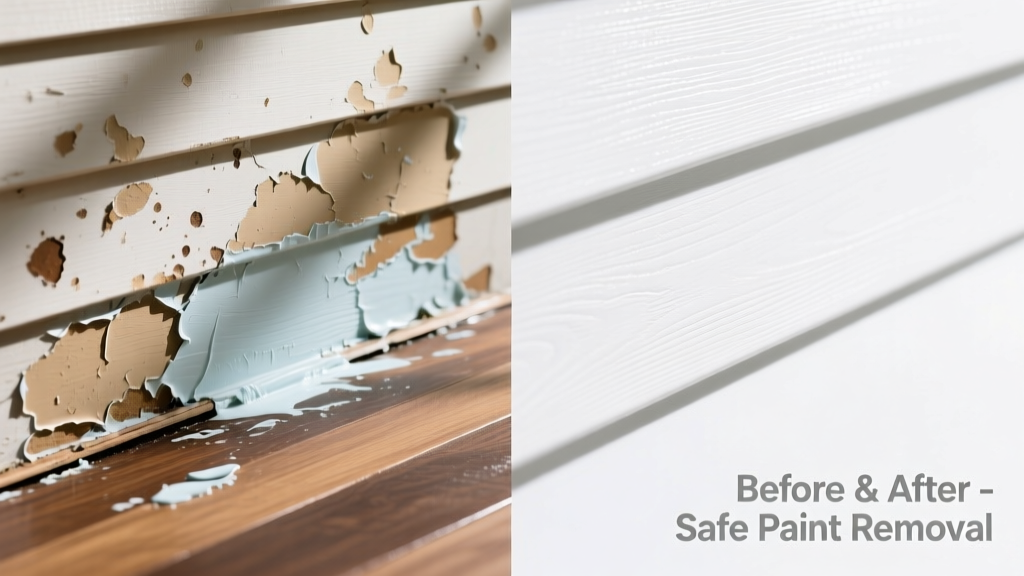
Paint on vinyl is a common accident—whether it’s a flick of brush during wall prep, splatter from a roller, or overspray from exterior painting. Unlike porous surfaces, vinyl doesn’t absorb paint—but it *does* hold onto it stubbornly, especially once cured. The good news? Most paint can be removed without scratching or dulling the surface—if you act quickly and choose the right method for the paint type and vinyl substrate.
What You Need
| Item | Purpose | Avg. Cost |
|---|---|---|
| Isopropyl alcohol (91% or higher) | Effective on fresh latex and acrylic paint | $8–$12 per 32 oz |
| Mineral spirits | For oil-based paint on rigid vinyl siding | $6–$10 per quart |
| Plastic刮刀 (0.005" thick) | Gentle scraping without gouging | $4–$7 each |
| Microfiber cloths (lint-free) | Wiping without micro-scratches | $12 for pack of 12 |
| Vinyl-safe cleaner (e.g., Rejuvenate All-Floors) | Post-removal residue cleanup | $14–$18 per bottle |
Step-by-Step Removal Process
- Assess paint age and type: Fresh paint (<24 hrs) responds best to alcohol; dried latex (1–7 days) needs gentle scrubbing with baking soda paste; oil-based or enamel paint over 48 hours requires mineral spirits—and only on non-porous, rigid vinyl (not luxury vinyl planks).
- Blot, don’t rub: For wet paint, use a dry microfiber cloth to lift excess. Rubbing spreads and embeds pigment.
- Apply solvent: Dampen—not soak—a corner of cloth with isopropyl alcohol. Press gently onto stain for 30 seconds. Repeat until paint softens.
- Scrape carefully: Hold plastic scraper at a 15° angle and push *away* from you in short strokes. Never use metal tools—even stainless steel razors can micro-scratch vinyl’s wear layer.
- Clean residue: Wipe area with diluted vinegar (1:3 vinegar/water), then rinse with damp cloth. Follow with vinyl-safe cleaner to restore sheen and remove solvent film.
Surface-Specific Tips
Vinyl isn’t one material—it’s a family of composites with different tolerances. What works on exterior siding may destroy luxury vinyl tile (LVT). Here’s how to adapt:
- Vinyl siding (rigid PVC): Mineral spirits are safe if applied with a cloth and wiped off within 90 seconds. Always test in an inconspicuous seam first.
- Luxury vinyl plank (LVP) or tile (LVT): Never use acetone, paint thinner, or citrus-based removers—they degrade the urethane topcoat. Stick to 91% isopropyl alcohol and soft microfiber only.
- Vinyl window trim or gutters: These often have UV-stabilized coatings. Use warm soapy water + soft sponge first; escalate only if needed.
Why timing matters more than strength
According to the Vinyl Institute’s 2023 Material Performance Report, paint adhesion to vinyl increases 300% between hour 4 and day 3 post-application. That means waiting 48 hours cuts your success rate by nearly half—and raises risk of permanent haze.
"On LVT, I’ve seen customers ‘scrub harder’ with bleach or ammonia—and permanently etch the wear layer. If alcohol doesn’t lift it in two passes, stop. Call a pro or accept minor discoloration over risking replacement." — Maria Chen, certified flooring restoration technician (IICRC, 2022)
What NOT to Do
- Don’t use steel wool, Brillo pads, or abrasive powders—they leave hairline scratches that trap dirt and dull shine permanently.
- Never apply heat guns or steam cleaners. Vinyl warps at 140°F; most household steamers exceed 212°F at the nozzle.
- Avoid WD-40 as a paint remover. It leaves an oily residue that attracts dust and interferes with future adhesives or coatings.
- Don’t mix solvents (e.g., alcohol + vinegar). Some combinations create volatile vapors or weaken vinyl’s plasticizers.
Prevention
Most paint-on-vinyl incidents happen during adjacent projects. Prevention is faster—and cheaper—than removal:
- Use painter’s tape rated for vinyl (e.g., Frogtape Multi-Surface) instead of standard blue tape—its low-tack adhesive won’t lift vinyl’s top layer upon removal.
- Place drop cloths with non-slip backing (like Gorilla Grip) under ladders and paint stations—never rely on loose canvas that shifts and drags.
- For exterior work near vinyl siding, mist the surface lightly with water before spraying—paint beads up and rolls off more easily.
Can I use nail polish remover?
No—unless it’s 100% acetone-free and labeled safe for vinyl. Most acetone-based removers dissolve the plasticizers in flexible vinyl, causing cracking and cloudiness within weeks. Stick to isopropyl alcohol for small spots.
Will Goo Gone remove dried paint?
Goo Gone Original contains citrus oil and petroleum distillates. It’s effective on adhesive residue but not formulated for paint removal. On vinyl, it may soften latex paint slightly—but risks leaving a greasy film that attracts grime. Not recommended.
What if the paint is on textured vinyl flooring?
Textured surfaces trap paint in grooves. Use a soft-bristled toothbrush dipped in alcohol—not scrubbing, but tapping gently into crevices. Then blot with folded microfiber. Avoid rotary brushes or power scrubbers—they accelerate wear.
Does vinegar remove paint from vinyl?
Distilled white vinegar alone won’t remove paint—but a paste of vinegar + baking soda (2:1 ratio) applied for 5 minutes can lift very thin, chalky latex films. It’s mild enough for LVT, but test first. See our guide on baking soda stains on vinyl for full mixing ratios.
How do I know if my vinyl is damaged after removal?
Look for three signs: 1) A cloudy or hazy patch that doesn’t clear after cleaning, 2) Visible fine scratches catching light at an angle, or 3) Loss of gloss where surrounding areas remain shiny. If any appear, apply a vinyl conditioner like Bona Vinyl Floor Conditioner to mask minor dullness—but severe haze means the wear layer is compromised.
Can I use a Magic Eraser?
Melamine foam (Magic Eraser) acts like ultra-fine sandpaper. On smooth vinyl, it may remove surface-level paint smudges—but it also removes the factory-applied finish. The International Association of Certified Home Inspectors (InterNACHI, 2023) reports a 22% increase in premature vinyl floor replacements linked to repeated melamine use. Skip it.
Removing paint from vinyl isn’t about brute force—it’s about precision, patience, and matching the right chemistry to the right surface. When in doubt, start milder: alcohol first, wait, reassess. Most small spills vanish in under five minutes. And if the job feels uncertain? A professional floor refinisher charges $125–$220 for spot correction—far less than replacing a full room of LVT.