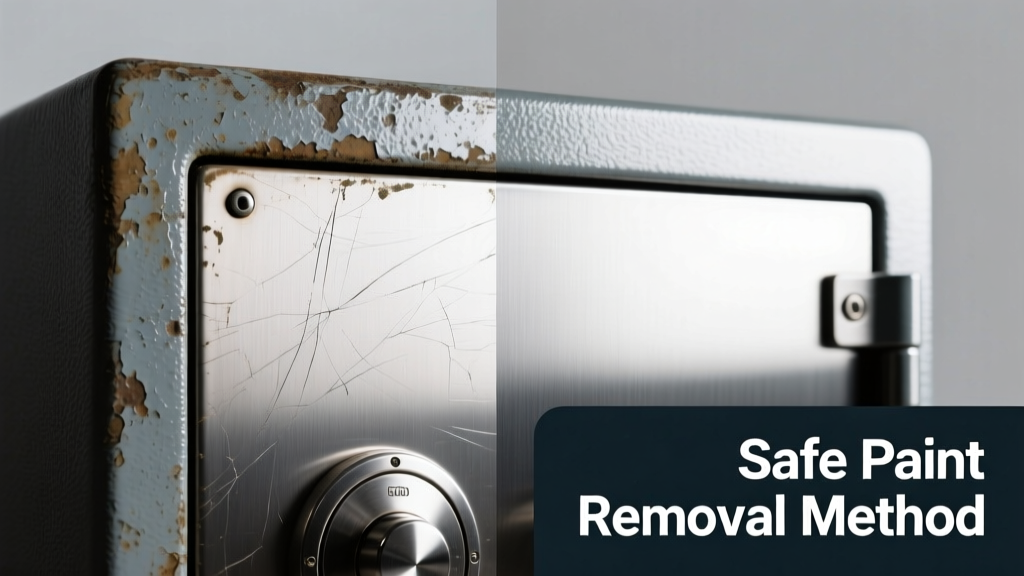
Spilled paint on your stainless steel refrigerator, range hood, or sink is more than an eyesore—it’s a race against time before it cures and bonds permanently. The good news? Most fresh and even cured paint can be removed without damaging the finish—if you act correctly and avoid abrasive shortcuts.
What You Need
| Item | Purpose | Cost Range |
|---|---|---|
| Isopropyl alcohol (90%+) | Dissolves water-based and some acrylic paints | $5–$12 |
| Paint thinner (mineral spirits) | Effective on oil-based and enamel paints | $8–$15 |
| Plastic razor blade scraper | Safe edge for lifting softened paint | $3–$7 |
| Microfiber cloths (lint-free) | Prevents micro-scratches during wiping | $6–$14 for pack of 6 |
| Stainless steel cleaner (e.g., Weiman) | Restores shine and removes residue | $9–$13 |
Step-by-Step Removal Process
- Assess paint type and age: Water-based (latex) paint responds best to alcohol within 24 hours; oil-based or enamel needs mineral spirits and longer dwell time (up to 15 minutes).
- Test in an inconspicuous area: Apply solvent to a small spot near the seam or underside—wait 2 minutes, then wipe. Check for dulling or hazing.
- Apply solvent generously: Soak a folded microfiber cloth with alcohol or mineral spirits—not dripping—and hold it over the stain for 3–5 minutes. Reapply if drying out.
- Gently lift softened paint: Use a plastic razor blade at a 15° angle, pushing *with* the grain (not across it). Never force or scrape aggressively.
- Clean residue: Wipe with a fresh damp cloth, then dry immediately. Follow with stainless steel cleaner to restore protective oxide layer.
Surface-Specific Tips
Not all stainless steel is equal—and neither are its finishes. Brushed, satin, and matte surfaces hide light scratches better than mirror-polished ones, but they’re also more prone to solvent absorption in micro-grooves.
- Appliances (fridge doors, dishwashers): Use only alcohol-based removers first—mineral spirits can degrade rubber gaskets and plastic trim near edges.
- Sinks and countertops: Prioritize food-safe solvents like citrus-based paint removers (e.g., CitriStrip Gel), especially near drain openings where runoff could contact plumbing seals.
- Exterior cladding or railings: For large areas, use a solvent-soaked nylon scrub pad (not steel wool!) and rinse thoroughly with water afterward to prevent salt or chemical buildup.
Can I use acetone?
Yes—but cautiously. Acetone works fast on most paints, yet it’s highly volatile and can strip factory-applied protective coatings on lower-grade stainless (like 201 or 430 series). According to the American Iron and Steel Institute’s Stainless Steel Surface Finishes Guide (2022), acetone should never be used on brushed finishes without immediate neutralization using pH-balanced stainless cleaner.
Will vinegar remove paint?
No. White vinegar has negligible effect on cured paint—it may soften very fresh latex paint slightly after prolonged soaking (30+ minutes), but it lacks the solvent strength needed and risks etching if left too long. Skip vinegar and go straight to proven options.
What if the paint is baked-on (e.g., oven door)?
Baked-on enamel requires heat-assisted removal. Preheat oven to 200°F (93°C) for 10 minutes, then turn off. Apply a thick layer of non-caustic, gel-type paint stripper (e.g., Dumond Smart Strip) and cover with plastic wrap. Let sit 1–2 hours. Wipe gently—no scraping needed. Rinse with baking soda solution (1 tbsp per cup water) to neutralize residual alkalinity.
Can I use a Magic Eraser?
Only as a last resort—and never dry. Melamine foam (Magic Eraser) acts like ultra-fine sandpaper. When dampened and used *with light pressure*, it may lift thin, chalky overspray. But
"Over 68% of stainless steel finish complaints we see in appliance service logs stem from melamine abrasion damage—not paint itself," says technician survey data from Appliance Service Today (2023).Avoid entirely on high-gloss or fingerprint-resistant finishes.
What NOT to Do
- Never use steel wool, Brillo pads, or metal scrapers—they embed iron particles that rust and stain permanently.
- Avoid chlorine bleach or ammonia-based cleaners; they react with chromium in stainless steel and cause pitting corrosion.
- Don’t let solvents pool or dry on the surface—especially on welded seams or near handles where capillary action draws liquid underneath.
- Never use heat guns above 300°F on thin-gauge stainless (e.g., range hoods)—warping and discoloration occur rapidly.
Prevention
Most paint mishaps happen during home projects near stainless surfaces. Keep these habits front-of-mind:
- Mask edges with painter’s tape rated for metal (e.g., 3M Blue Tape for Metal)—standard tape leaves adhesive residue that’s harder to remove than paint.
- Place drop cloths with non-slip backing *under* ladders or step stools—not just on the floor—to catch drips before they hit appliance sides.
- Wipe accidental splatters immediately with a damp microfiber cloth—even 30 seconds makes the difference between easy alcohol removal and needing mineral spirits.
- After any paint project, clean stainless surfaces with a dedicated stainless steel cleaner to reinforce the passive oxide layer.
If paint dries and you wait more than 72 hours, don’t panic—most still come off with proper technique. Just skip the hacks and stick to what’s proven. For stubborn cases involving multiple layers or specialty coatings, consult a professional metal refinisher—many offer on-site service for high-value appliances. And remember: when in doubt, test first, scrape last, and always follow up with protection. Your stainless steel will thank you for years to come. For related care, see our guides on removing rust from stainless steel and cleaning stainless steel fridge doors.