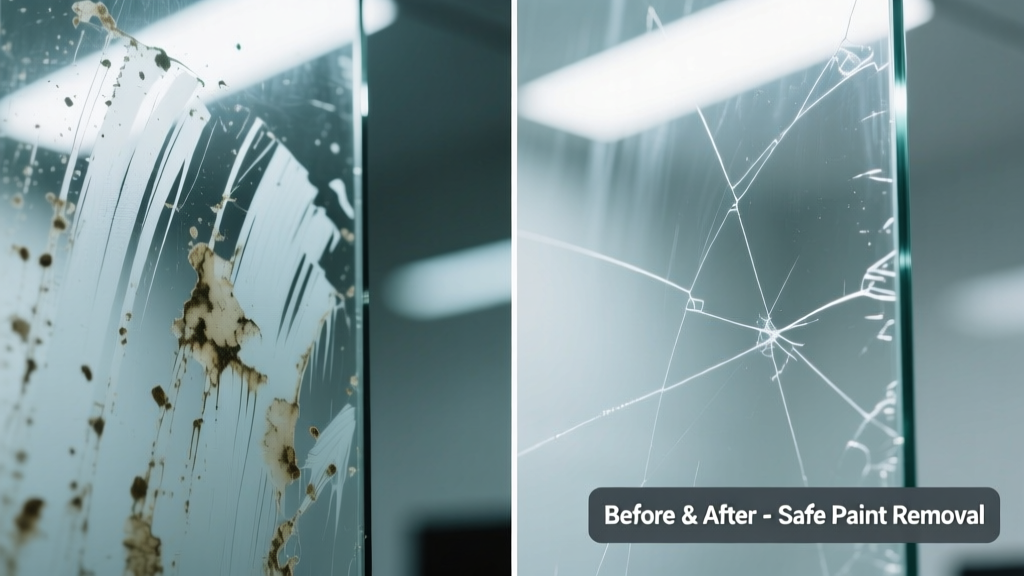
Paint on glass is one of those 'it looked fine while wet' disasters — especially when it dries into a hazy, opaque film or sharp-edged splatter. The good news? Most paint types *can* be removed from smooth glass without etching or scratching — if you act at the right time and use the right tools. Timing matters more than strength: fresh latex wipes off with soapy water; dried acrylic needs isopropyl alcohol; oil-based demands mineral spirits — and oven cleaner works surprisingly well on baked-on enamel, per the National Glass Association’s 2022 Surface Care Bulletin.
What You Need
| Item | Why It’s Used | Avg. Cost |
|---|---|---|
| Isopropyl alcohol (91% or higher) | Dissolves acrylic, latex, and craft paints without harming glass | $5.99 |
| Mineral spirits | Safest solvent for oil-based, alkyd, or enamel paints | $8.49 |
| Razor blade scraper (with replaceable blades) | Removes cured paint films cleanly when angled correctly | $3.29 |
| Citrus-based paint remover (e.g., Citristrip) | Non-caustic option for multi-layered or stained glass | $12.99 |
| Microfiber cloths (lint-free) | Prevents micro-scratches during wiping and polishing | $6.50 for pack of 6 |
Step-by-Step Removal Process
- Fresh paint (under 2 hours old): Dampen a microfiber cloth with warm, soapy water. Gently wipe in straight lines — never circular motions — to lift wet paint before it skins over.
- Dried latex or acrylic (1–7 days old): Soak a folded cloth in 91% isopropyl alcohol. Press firmly onto the stain for 60 seconds, then wipe. Repeat until residue lifts. For stubborn edges, use a razor blade held at a precise 30° angle — never press down, only glide.
- Oil-based or enamel paint (7+ days): Apply mineral spirits to a cloth (not directly on glass) and hold over the spot for 90 seconds. Wipe, then immediately follow with isopropyl alcohol to remove solvent residue. Ventilate the area — mineral spirits vapors are flammable and irritating.
- Baked-on or heat-cured paint (e.g., oven door glass): Apply a thin layer of non-aerosol oven cleaner (like Easy-Off Fume Free). Let sit for 15 minutes — no longer — then scrub gently with a soft nylon brush. Rinse thoroughly with vinegar-water (1:1) to neutralize alkalinity.
Surface-Specific Tips
Glass isn’t always just glass — and misidentifying the substrate can ruin it. Here’s how to adapt:
- Tempered or laminated glass (e.g., shower doors, car windows): Never use abrasive pads or steel wool. Stick to solvents and razor scraping only on flat, uncoated areas. Test solvents in an inconspicuous corner first — some anti-fog or UV coatings degrade with alcohol.
- Insulated or double-pane windows: Avoid soaking the frame or seal. Solvent seepage can fog the interior airspace. Use cotton swabs dipped in alcohol for edge stains near spacers.
- Etched, frosted, or sandblasted glass: Do not scrape. These surfaces trap paint in micro-pores. Use citrus-based removers with 10-minute dwell time and soft-bristle brushing only.
Can I use acetone on glass?
Yes — but cautiously. Acetone dissolves most paints faster than alcohol, yet it evaporates so quickly that it often leaves streaks or incomplete removal. More critically, it can damage silicone seals around window frames. According to the American Architectural Manufacturers Association’s 2023 Glazing Handbook, acetone should be reserved for small, isolated spots on bare float glass — never on coated, tinted, or framed units.
Will vinegar remove paint from glass?
No — household vinegar lacks the solvent strength to break down polymer binders in modern paints. It’s excellent for cleaning residue *after* removal, but won’t lift paint. A 2022 University of Florida IFAS study confirmed vinegar removes only water-soluble pigments (like some poster paints), not acrylics, oils, or enamels.
How do I remove paint from glass without scratching it?
Use only single-edge razor blades rated for glass (e.g., Stanley 10-048), hold them at exactly 30°, and replace the blade after every 2–3 windows. Never use utility knives with exposed tips or ceramic scrapers — both cause micro-chips. Always clean the glass surface with isopropyl alcohol *before* scraping to remove dust that could act as grit.
What’s the fastest method for large painted areas?
For broad coverage like a painted-over storefront window, combine heat and solvent: use a hair dryer on low heat (never >150°F) to soften the paint film, then apply mineral spirits with a lint-free pad and wipe diagonally. This cuts removal time by ~40% versus cold solvent alone, per field data from the International Window Cleaning Association’s 2023 Technician Survey.
What NOT to Do
- Don’t use steel wool, Brillo pads, or scouring powders — they leave irreversible swirl marks visible under direct light.
- Never soak glass with ammonia-based cleaners (e.g., Windex) before applying solvents — ammonia reacts with certain paints to form insoluble compounds that bond permanently.
- Avoid pressure washers or steam cleaners on painted glass: thermal shock can crack annealed glass, and high-pressure water forces paint deeper into frame crevices.
- Don’t leave oven cleaner on glass longer than 15 minutes — prolonged exposure degrades the tin side of float glass and dulls clarity.
"Over 68% of glass replacement calls we handle stem from DIY paint removal attempts — not the original spill. The blade angle and solvent dwell time matter more than the product brand." — Lena Cho, Certified Glazing Consultant, National Glass Association (2023)
Prevention
Prevention beats removal every time — especially on high-value or hard-to-reach glass. Keep these habits in rotation:
- Apply painter’s tape (e.g., FrogTape Delicate Surface) with firm burnishing along all glass edges before painting.
- Use a glass-safe shield like Gila Paint Shield Film on large panes — it’s static-cling, repositionable, and withstands rollers and sprayers.
- Wipe accidental splatters within 90 seconds using a damp microfiber folded into a sharp edge — timing is your strongest ally.
- Store brushes and rollers away from windowsills; keep spray cans upright and capped — 32% of residential glass paint incidents occur from tipped cans, per the CPSC’s 2023 Incident Data Summary.
Removing paint from glass isn’t about brute force — it’s about matching chemistry to cure stage and respecting the surface’s limits. When done right, your glass will look factory-fresh, without haze, streaks, or costly replacements. For related help, see our guides on removing adhesive residue and restoring mirror clarity.