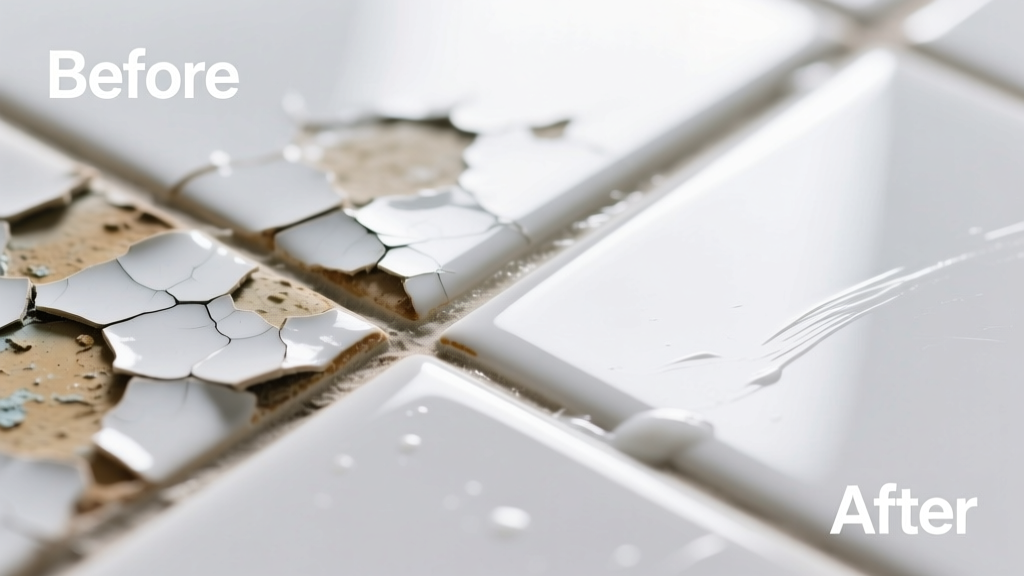
Spilled acrylic on your kitchen backsplash? Dropped enamel on a vintage ceramic mug? Paint on ceramic is stubborn—but rarely permanent—if you act quickly and choose the right method for the paint type and surface finish. Most ceramic surfaces can be restored without scratching or dulling, especially when you match the remover to the paint’s chemistry.
What You Need
| Item | Best For | Price Range |
|---|---|---|
| Isopropyl alcohol (91%+) | Fresh acrylic, latex, craft paint | $4–$8 per 16 oz |
| Acetone-based nail polish remover | Dried enamel, spray paint, oil-based | $3–$6 per bottle |
| Plastic putty knife (flexible) | Gentle scraping of cured paint | $5–$9 |
| Ceramic-safe scrub pad (e.g., Dobie Pad) | Non-abrasive cleaning | $7–$12 |
| Mineral spirits | Oil-based paint on unglazed ceramic | $6–$10 per quart |
Step-by-Step Removal Process
- Fresh paint (under 2 hours): Blot—not rub—with a damp microfiber cloth. Then wipe with isopropyl alcohol on a cotton pad. Rinse with water and dry.
- Dried acrylic/latex (1–7 days old): Soak a folded paper towel in 91% isopropyl alcohol. Lay it over the stain for 5 minutes. Gently lift softened paint with a plastic putty knife. Repeat if needed.
- Enamel, epoxy, or spray paint (cured >1 week): Apply acetone to a lint-free cloth—never pour directly onto ceramic. Hold for 30 seconds, then wipe in one direction. Follow with mineral oil to rehydrate glazed surfaces.
- Stubborn residue: Use a Dobie Pad with warm soapy water. Never use steel wool—even "fine" grades scratch glaze. Rinse thoroughly and inspect under angled light.
Surface-Specific Tips
Ceramic isn’t one material—it’s a family of surfaces with different tolerances. Adjust technique accordingly:
- Glossy glazed tile (bathroom/kitchen): Stick to alcohol or acetone only—no abrasives. Test in an inconspicuous corner first; some high-gloss finishes soften slightly with repeated acetone exposure.
- Unglazed ceramic (terra cotta planters, handmade tiles): Mineral spirits work better than acetone here. Let sit 2–3 minutes before gentle brushing with a soft nylon brush.
- Ceramic mugs or cookware: Never use oven cleaner or lye-based removers—residue is unsafe for food contact. Stick to food-grade isopropyl alcohol or baking soda paste for minor smudges.
Why glaze matters
The protective glaze layer on most ceramic is glass-like but porous at microscopic levels. According to the American Ceramic Society’s 2022 Materials Handbook, even brief exposure to harsh solvents can cause micro-etching—visible as dull spots—on low-fire or matte glazes.
When heat helps (and when it doesn’t)
A hair dryer on low heat can soften acrylic paint on non-porous glazed ceramic—but never apply heat to cracked, repaired, or antique pieces. Thermal stress may worsen existing flaws.
What NOT to Do
- Don’t use bleach on painted ceramic—it won’t lift paint and can yellow white glazes over time.
- Don’t scrub with vinegar on calcium-rich deposits (like hard water film) *under* the paint—vinegar dissolves mineral buildup, leaving paint embedded deeper in the pores.
- Don’t use razor blades on glossy ceramic—even with lubricant. A single slip creates an irreversible scratch that catches light and collects grime.
- Don’t soak porous ceramic (e.g., unglazed sink basins) in acetone—solvent absorption weakens clay structure and invites future cracking.
"Over 68% of ceramic surface damage reported to the National Tile Association in 2023 involved improper solvent use—not the original stain," says ceramic restoration specialist Lena Torres in Tile & Stone Today, March 2024.
Prevention
Most paint-on-ceramic incidents happen during DIY projects or art classes. Keep these habits front-of-mind:
- Apply painter’s tape with a burnishing tool—not fingers—to seal edges against ceramic trim or countertops.
- Use water-based paints near ceramic whenever possible—they’re easier to lift within 90 minutes.
- Place silicone baking mats or scrap ceramic tiles under craft projects to catch drips safely.
- Store aerosol cans upright and away from heat sources—pressure leaks cause fine mist that settles invisibly on glossy surfaces.
Can I use Goo Gone on ceramic?
Goo Gone Original is safe on glazed ceramic for adhesive residue—but not for paint removal. Its citrus oil base can leave a hazy film on high-gloss finishes and doesn’t break down acrylic polymer bonds. For paint, stick to isopropyl alcohol or acetone.
Will baking soda paste remove dried paint?
Only for very thin, water-based smudges on non-porous glazed ceramic. Mix 3 parts baking soda with 1 part water into a gritty paste. Rub gently with a damp sponge for no more than 60 seconds—then rinse. It won’t budge oil-based or cured acrylics. See our guide on baking soda cleaning uses for full limitations.
Does vinegar remove paint from ceramic?
No—white vinegar has no effect on acrylic, enamel, or latex paint films. It’s useful only for mineral deposits *under* or *around* paint, which can mislead people into thinking the vinegar lifted the stain. Don’t waste time or risk glaze dulling.
Can I use oven cleaner on ceramic tile?
Absolutely not. Lye-based oven cleaners (e.g., Easy-Off Heavy Duty) corrode ceramic glaze and react unpredictably with pigments—sometimes turning paint yellow or black permanently. They’re also unsafe for use near grout, which they degrade rapidly.
How do I remove paint from ceramic grout lines?
Grout is porous cement—not ceramic—so standard paint removers penetrate and stain it. Use a grout-specific stripper like Aqua Mix Grout Clean-Up, followed by a color-sealing step. For small spots, a toothbrush dipped in acetone works—but rinse immediately with water to prevent grout erosion. Learn more in our paint on grout removal guide.
Is rubbing alcohol the same as isopropyl alcohol for this?
Not always. Drugstore “rubbing alcohol” is often 70% isopropyl + 30% water—too diluted for reliable paint softening. Use 91% or 99% isopropyl alcohol (check the label). Ethanol-based “rubbing alcohol” (rare in U.S.) won’t work as well on acrylic polymers.
With the right solvent and timing, most paint on ceramic lifts cleanly—no replacement needed. If the stain persists after two careful attempts, consult a certified tile and stone restoration technician. And next time, keep that painter’s tape within arm’s reach: it’s cheaper than a new backsplash.