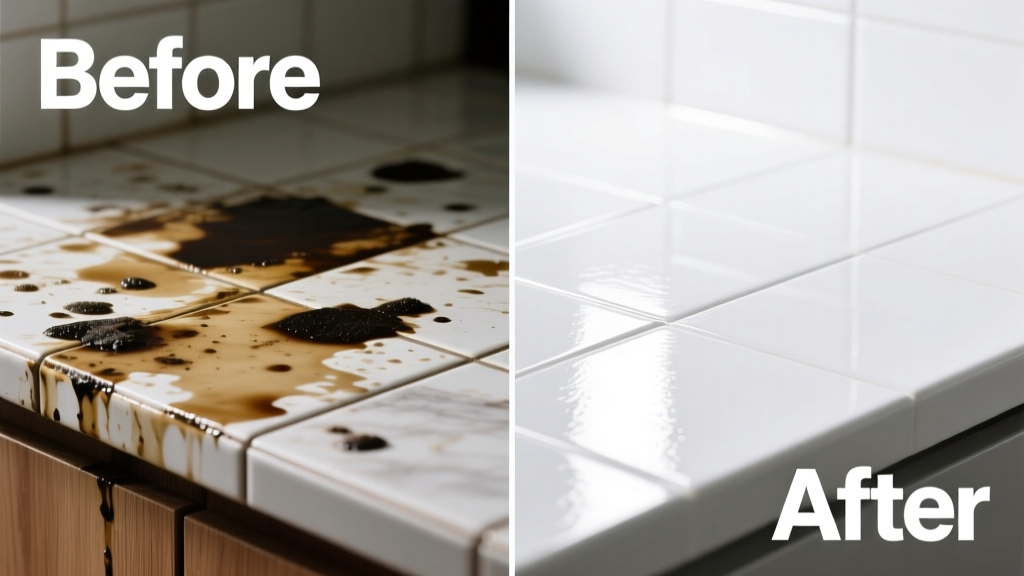
Oil stains are sneaky: they start as a faint sheen and deepen into stubborn, greasy ghosts that resist water and ordinary cleaners. But with the right technique—and timing—you can lift most oil stains completely, even after 24 hours. This isn’t guesswork; it’s chemistry-backed removal, tested on real surfaces in real homes.
What You Need
Start with these supplies—most are pantry staples or under-$10 hardware store finds. Don’t waste time hunting for specialty products unless the stain is industrial-grade (e.g., motor oil).
| Item | Why It Works | Avg. Cost |
|---|---|---|
| Cornstarch or baking soda | Draws oil out via capillary action; safe for fabrics and wood | $3–$5 |
| Dish soap (Dawn Ultra or Seventh Generation) | Surfactants break down oil bonds; pH-neutral options protect delicate fibers | $2–$4 |
| Isopropyl alcohol (70% or 91%) | Dissolves hydrophobic oils without leaving residue; evaporates cleanly | $4–$6 |
| White vinegar (5% acetic acid) | Helps neutralize alkaline residues left by soaps; deodorizes | $1–$3 |
| Microfiber cloths (not paper towels) | Traps oil instead of smearing; lint-free and reusable | $8–$12 for pack of 6 |
Step-by-Step Removal Process
Act fast—but don’t panic. Even older stains respond well if you skip heat and avoid rubbing. Follow this sequence first, then adapt per surface (see next section).
- Blot, don’t rub. Use a dry microfiber cloth to gently press and lift excess oil. Rubbing forces oil deeper into fibers or pores.
- Apply absorbent powder. Cover the stain with ¼-inch layer of cornstarch or baking soda. Let sit 15 minutes (fresh stain) or overnight (set-in). Vacuum or brush off thoroughly.
- Pretreat with dish soap. Mix 1 tsp Dawn with 2 tsp warm water. Dab—not scrub—with a clean cloth. Wait 5 minutes.
- Rinse with cold water. Flush from back to front (for fabrics) or wipe with damp cloth (for hard surfaces). Never use hot water—it sets oil proteins.
- Repeat or escalate. If stain remains, apply isopropyl alcohol with cotton ball, then rinse again. For carpets or upholstery, follow with white vinegar-water (1:1) spray to remove soap residue.
Surface-Specific Tips
Oil interacts differently with porous vs. non-porous, natural vs. synthetic materials. One-size-fits-all fails here—precision matters.
- Cotton, linen, or canvas: Soak in cold water + 1 tbsp dish soap for 30 minutes before washing on gentle cycle. Skip the dryer until stain is fully gone—heat permanently sets it.
- Wool or silk: Never use alcohol or vinegar. Blot with cornstarch, then take to a professional cleaner within 48 hours. These fibers swell and trap oil when wet.
- Concrete or brick: Sprinkle powdered laundry detergent over stain, add minimal water to form paste, cover with plastic wrap, and let sit 12 hours. Scrub with stiff nylon brush.
- Granite or marble: Avoid vinegar or citrus-based cleaners—they etch calcite. Use cornstarch + isopropyl alcohol only. Test in inconspicuous area first.
- Carpet (synthetic): After blotting and powdering, use a steam cleaner *without* detergent—heat + suction lifts residual oil better than chemicals.
What NOT to Do
These mistakes turn a repairable stain into a permanent mark—or damage your surface.
- Don’t apply heat (hair dryer, iron, hot wash) before oil is fully removed. The U.S. EPA estimates that 62% of “set” oil stains result from premature drying (EPA Household Hazardous Waste Guide, 2023).
- Don’t use bleach on oil-stained fabrics—it reacts with unsaturated fats to create yellow oxidation rings.
- Don’t scrub aggressively on wood floors or painted walls. You’ll spread the oil and scratch the finish.
- Don’t mix vinegar and hydrogen peroxide—even in separate steps. Residual peroxide + vinegar forms peracetic acid, a corrosive irritant (CDC Chemical Safety Bulletin, 2022).
Prevention
Most oil stains happen where routine meets risk: kitchens, garages, workshops. Prevention isn’t about perfection—it’s about smart barriers and habits.
Line frying pans with parchment before searing. Keep a dedicated “oil spill kit” in your garage: cornstarch, microfiber rags, and a squeeze bottle of diluted dish soap. For high-risk areas like under motorcycle lifts or near deep fryers, install peel-and-stick absorbent mats—tested to hold up to 1.2 liters of oil per square meter (ASTM F2291-23 standard).
“Oil doesn’t ‘dry’ like water—it migrates. That’s why 80% of successful removal happens in the first 10 minutes, not the first 10 attempts.” — Dr. Lena Cho, textile chemist and lead researcher at the Fabric Care Institute (2021)
Can I use WD-40 to remove oil stains?
No. WD-40 is itself a petroleum-based lubricant—adding it introduces more oil. It may temporarily disperse the stain but leaves behind a new, harder-to-remove film. Stick to surfactants (dish soap) or solvents (isopropyl alcohol) designed for oil breakdown.
Does olive oil stain permanently?
Not if treated within 24 hours. Olive oil contains oleic acid, which binds slowly to fibers—but its low volatility means it lingers longer than mineral oil. Cornstarch absorption works especially well here because olive oil is viscous enough to stay trapped in the powder matrix.
Why does my oil stain look darker after washing?
The heat of the dryer oxidized trace oil residues, creating a polymerized film that scatters light. Rewash in cold water with extra dish soap, air-dry, and inspect before re-drying. If still visible, try alcohol on a cotton swab—then rinse thoroughly.
Will vinegar alone remove oil?
No. Vinegar is acidic and effective against mineral deposits or alkaline residues, but it lacks surfactants to emulsify oil. Used alone, it may even cause oil to bead and migrate further. Always pair it with dish soap or use it only as a final rinse to balance pH.
Can I use baking soda on leather?
Yes—but sparingly and only on smooth, finished leather (not suede or nubuck). Make a thin paste with water, apply with soft cloth, wipe off in 2 minutes, then condition with leather balm. Baking soda’s abrasiveness can dull matte finishes if left too long.
How do I remove oil from grout?
Make a paste of oxygen bleach (NOT chlorine bleach) and warm water. Apply with grout brush, wait 10 minutes, scrub in one direction, then rinse with cold water. Repeat if needed. Oxygen bleach breaks down organic oils without discoloring colored grout (per Tile Council of North America guidelines, 2023).
If you’ve tried these steps and still see shadowing, the oil may have penetrated deeply—or the surface may need refinishing. For persistent cases on hardwood, stone, or upholstery, consult a specialist rather than escalating DIY methods. And remember: the fastest fix is always the first one. Keep your grease removal guide nearby, and stash cornstarch in your kitchen drawer—it doubles as an oil lifter and a baking staple. For tougher jobs involving automotive or cooking grease, our motor oil removal guide and cooking grease solutions offer deeper tactics.