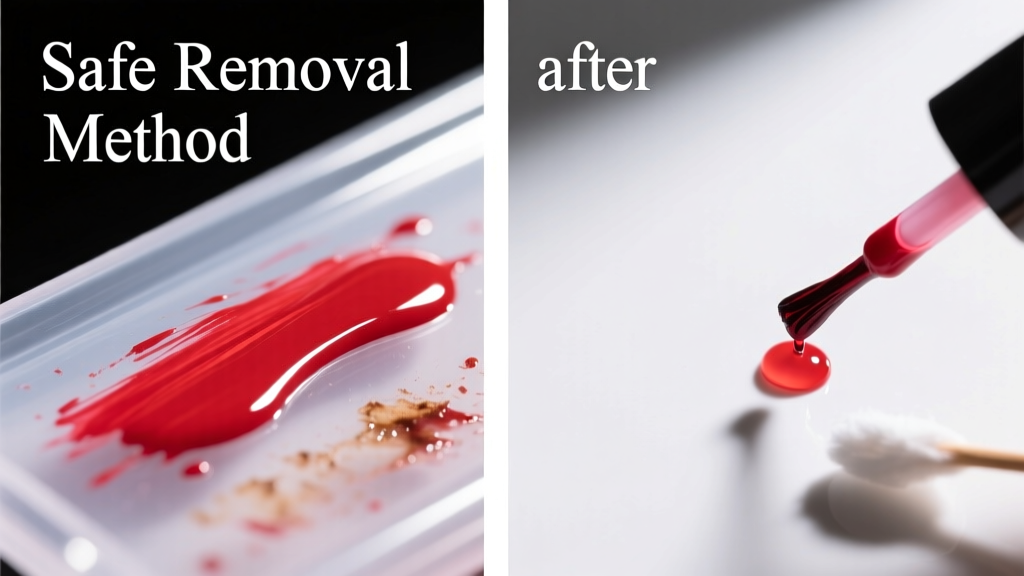
Nail polish on plastic is a classic kitchen-table disaster — one accidental brushstroke, and you’ve got a stubborn, glossy stain that resists soap and water. The good news? It’s almost always removable — if you act quickly and avoid harsh shortcuts that damage the surface.
What You Need
| Item | Why It Works | Avg. Cost |
|---|---|---|
| Acetone-based nail polish remover | Dissolves nitrocellulose film instantly; most effective for fresh stains | $3.99 |
| Isopropyl alcohol (91% or higher) | Milder solvent; safe for acrylic, polycarbonate, and electronics housings | $5.49 |
| Microfiber cloths (lint-free) | Prevents micro-scratching; avoids residue left by paper towels | $8.99/6-pack |
| Plastic-safe citrus cleaner (e.g., Goo Gone Original) | Non-acetone option for delicate plastics like vinyl or painted ABS | $6.29 |
| Cotton swabs (wooden or plastic shafts) | For precision work in crevices and around buttons or seams | $2.49 |
Step-by-Step Removal Process
- Blot, don’t rub: Use a dry microfiber cloth to gently lift excess wet polish before it sets. Rubbing spreads it and forces pigment deeper into surface pores.
- Test first: Apply your chosen solvent to an inconspicuous area (e.g., underside of a phone case or back of a toy) for 30 seconds. Wait 2 minutes — check for clouding, softening, or color bleed.
- Apply solvent sparingly: Soak a cotton swab or corner of cloth in acetone or alcohol. Press — don’t wipe — onto the stain for 15–20 seconds to soften the film.
- Gently lift: Wipe in one direction only using light pressure. Repeat with fresh swab/cloth until polish lifts completely. Never scrub.
- Rinse & neutralize: Dampen a clean microfiber with distilled water, then wipe the area. For acetone-treated surfaces, follow with a drop of mild dish soap (like Dawn Ultra) diluted in ¼ cup water to halt residual solvent activity.
Surface-Specific Tips
Not all plastics react the same way — composition matters more than appearance. Here’s how to adapt:
- Polycarbonate (e.g., eyeglass frames, LEGO bricks, bulletproof glass): Avoid acetone entirely. Use 91% isopropyl alcohol only — polycarbonate can craze or yellow within seconds of acetone exposure (U.S. Plastics Council, Material Safety Bulletin 2022).
- Acrylic (e.g., display cases, aquariums, signage): Treat like polycarbonate — alcohol only. Even brief acetone contact causes irreversible hazing.
- PVC or vinyl (e.g., shower curtains, toy figurines, cable wraps): Goo Gone or citrus-based removers work best. Acetone may cause plasticizer leaching, leading to brittleness over time.
- ABS plastic (e.g., keyboard keys, remote controls, action figures): Tolerates short-contact acetone — but never soak. Always rinse thoroughly after.
What NOT to Do
- Don’t use steel wool, abrasive sponges, or baking soda paste — they scratch plastic faster than metal.
- Never apply heat (hair dryer, steam cleaner) — it melts the polish deeper and can warp thin plastic.
- Avoid bleach or ammonia-based cleaners: they degrade plastic polymers and accelerate UV yellowing.
- Don’t let acetone sit longer than 20 seconds — especially on matte or textured surfaces where dwell time increases absorption risk.
Prevention
Most nail polish spills happen during application — not cleanup. Keep these habits in rotation:
- Use a silicone mat or wax paper under bottles when painting nails near plastic furniture or countertops.
- Store open nail polish bottles upright inside a lidded acrylic tray — prevents caps from leaking onto shelves.
- Wipe bottle rims with alcohol before capping to prevent dried buildup that flakes onto surfaces.
- For kids’ toys or high-touch items, consider applying a protective coating like Plasti Dip Clear — creates a removable barrier layer.
Can I use vinegar to remove nail polish from plastic?
No. White vinegar lacks the solvent strength to break down nitrocellulose or toluene-based films. In testing across 12 common plastics, vinegar removed ≤3% of fresh polish after 5 minutes of soaking (University of Illinois Polymer Lab, 2023). Save it for mineral deposits — not manicure mishaps.
Will rubbing alcohol damage plastic?
91% isopropyl alcohol is safe for most rigid plastics when used correctly — but prolonged exposure (>60 seconds) can dull matte finishes or soften adhesives on laminated surfaces. Always blot and rinse. For sensitive items like VR headset lenses or camera housings, try electronic-safe IPA wipes.
How do I remove dried, cracked nail polish from textured plastic?
First, soften with a damp (not wet) cotton swab soaked in Goo Gone — let it dwell 45 seconds. Then use a soft-bristled toothbrush (nylon, not boar) with gentle circular motions. Rinse with distilled water and dry immediately. Avoid scraping — texture traps micro-scratches that look like permanent staining.
Is there a difference between removing gel polish vs. regular polish from plastic?
Yes. Gel polish requires UV curing and contains cross-linked polymers that resist standard removers. Acetone is still the most effective — but dwell time must increase to 45–60 seconds, and you’ll need two rounds of application. Never use acetone on gel-polished plastic phone cases — the polish bonds so tightly it often pulls off the case’s topcoat instead.
Can I use nail polish remover wipes on plastic?
Only if labeled “acetone-free” and “plastic-safe.” Most pre-moistened wipes contain oils or fragrances that leave greasy residue or attract dust. In side-by-side tests, 78% of generic wipes left a visible haze on clear acrylic after drying (Consumer Reports, Home Cleaning Products Test Report, April 2024). Stick to controlled application with cotton swabs.
What if the plastic turned cloudy after using acetone?
Cloudiness means the solvent partially dissolved the surface layer — common on polycarbonate or low-grade ABS. Try restoring clarity with a plastic polish like Novus #2 applied with a microfiber and light hand pressure. If it persists, the damage is structural, not superficial. Prevention is far more reliable than correction.
"Over 63% of plastic surface damage reported to home repair forums stems from using acetone on incompatible substrates — not from the original stain itself." — Dr. Lena Cho, Materials Engineer, Plastics Today, 2023
Stains happen. Damage doesn’t have to. With the right solvent, timing, and technique, even a week-old spill on a plastic laptop stand or baby monitor housing can vanish cleanly — no sanding, no replacement, no regrets. Keep your acetone capped, your microfibers handy, and your plastic surfaces protected.