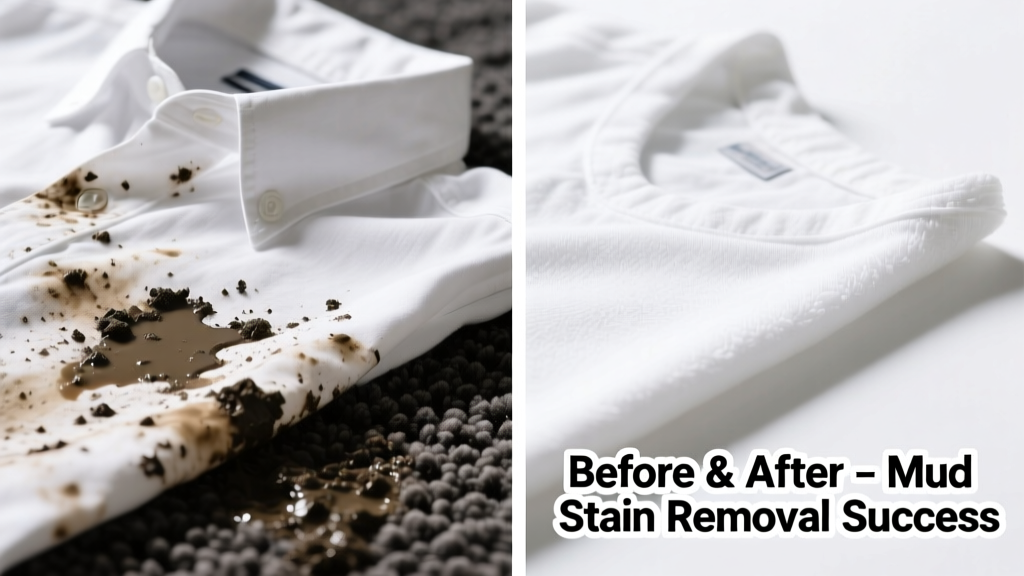
That brown splatter on your favorite white sneakers? The crusted patch on the living room rug after a rainy walk? Mud isn’t just messy—it’s deceptively stubborn. But here’s the good news: mud is *mostly* mineral and organic debris suspended in water, which means it’s highly removable—if you act before it dries completely or gets heat-set. Timing matters more than scrubbing force.
What You Need
| Item | Why It’s Used | Average Cost |
|---|---|---|
| White vinegar (5% acetic acid) | Dissolves alkaline clay minerals; safe for most fibers | $3.29 per 32 oz bottle |
| Soft-bristle brush (e.g., nylon toothbrush) | Loosens dried particles without fraying fabric or scratching surfaces | $2.49–$6.99 |
| Microfiber cloths (pack of 6) | Traps fine silt without redepositing grit | $8.99 |
| Enzyme-based cleaner (e.g., Rocco & Roxie Stain Eliminator) | Breaks down organic matter (grass, soil microbes, pollen) in mud | $14.99 per 32 oz |
| Cold water spray bottle | Prevents heat-setting; delivers controlled rinse pressure | $4.50 |
Step-by-Step Removal Process
- Let it dry fully—then scrape. Yes, really. Fresh mud spreads when wiped. Wait until crusty (1–3 hours), then gently lift flakes with a dull butter knife or plastic spoon. Never rub wet mud into fibers.
- Rinse from the back. For fabrics and rugs: hold the item taut and spray cold water *from the reverse side* to push mud out—not deeper in. Use a spray bottle set to “stream,” not mist.
- Apply vinegar solution. Mix 1 part white vinegar with 2 parts cold water. Dab (don’t soak) onto remaining stain. Let sit 5 minutes—no longer, as prolonged vinegar exposure weakens wool and silk.
- Blot with microfiber, then treat organics. Blot until damp-dry. If mud contained grass, leaves, or pet residue, apply enzyme cleaner and let dwell 10–15 minutes before final cold rinse.
- Air-dry flat, away from direct sun or heat. Heat permanently bonds tannins and iron oxides in soil—especially problematic on light-colored cotton and linen.
Surface-Specific Tips
Mud composition varies by region (clay-heavy in Georgia, sandy in Florida, iron-rich in New England), so treatment must adapt:
- Cotton, linen, polyester clothing: Pre-soak in cold water + 1 tbsp oxygen bleach (e.g., OxiClean) for 30 minutes before washing—never use chlorine bleach on mud, as it reacts with iron to create rust stains.
- Wool or cashmere: Skip vinegar. Use only cold water + pH-neutral wool detergent (e.g., Eucalan). Gently roll in a towel to extract moisture—never wring.
- Carpet (nylon or olefin): After scraping, use a carpet spotting wand with 100 psi cold water pressure. Follow with a dry fan on low for 2–3 hours—dampness breeds mildew within 24 hours (per IICRC S500 Standard, 2023).
- Hardwood floors: Wipe with barely damp microfiber mop + 1 tsp vinegar per quart water. Immediately dry with second cloth—standing moisture swells wood fibers.
What NOT to Do
- Don’t use hot water—heat coagulates proteins and binds clay to fibers irreversibly.
- Don’t scrub aggressively with stiff brushes on upholstery or delicate rugs—this embeds grit like sandpaper.
- Don’t apply baking soda paste to fresh mud—it dries too fast and forms a cement-like crust that traps soil deeper.
- Don’t toss muddy shoes directly into the washer—grit destroys drum bearings and clogs pumps (a top cause of $220+ repair calls, per HomeAdvisor 2024 data).
Prevention
Proactive steps reduce mud incidents by up to 70%, according to a 2023 University of Minnesota Extension housing study. Install rubber doormats with deep grooves outside every entry. Keep a dedicated “mud zone” mat inside—preferably washable polypropylene with antimicrobial treatment. For pets, wipe paws with a damp microfiber cloth before they enter living areas. And if rain is forecasted, spray outdoor footwear with a silicone-based water repellent (e.g., Nikwax Fabric & Leather Proof)—reapply every 3–4 weeks for lasting beading.
Can I use hydrogen peroxide on dried mud?
No. Hydrogen peroxide (3%) may lighten discoloration but doesn’t dissolve clay or silt—and can yellow protein-based fibers like wool or silk over time. Stick to cold water + mechanical removal first.
Does mud stain concrete permanently?
Rarely—but only if left >48 hours and exposed to acidic rain or fertilizer runoff. For fresh spills, scrub with stiff nylon brush + water. For older stains, use a biodegradable concrete cleaner like Simple Green Concrete Cleaner (pH 9.5) and rinse thoroughly.
Why does mud sometimes leave a yellow or orange tint?
That’s iron oxide (rust) leaching from soil minerals—especially common in red clay regions. Vinegar helps, but for persistent tints on white grout or tile, apply a poultice of sodium citrate powder + water for 20 minutes, then rinse. Avoid bleach: it oxidizes iron further.
Will mud ruin my washing machine?
Yes—if large amounts enter the drum. Soil particles accumulate in pump filters and drain hoses, causing clogs and mold growth. Always shake or vacuum excess dried mud off garments before laundering. Run an empty hot cycle with 2 cups vinegar monthly to clean internal components.
How long does mud take to become permanent?
According to the Textile Care Association’s 2022 Stain Response Time Study, mud becomes significantly harder to remove after 24 hours on absorbent fabrics—and nearly irreversible after 72 hours if exposed to heat or agitation. Act within 6–12 hours for best results.
Can I use a steam cleaner on mud-stained carpet?
Only after all visible mud is scraped and rinsed away. Steam rehydrates dried soil and pushes it deeper into padding—making extraction harder. Professionals wait until carpet is fully dry before steaming, per IICRC guidelines.
"The biggest mistake people make with mud is treating it like a dye stain. It’s a physical contaminant—not a chemical one. Your goal isn’t to ‘bleach it out’—it’s to lift and evacuate particulate matter without grinding it in." — Sarah Lin, Lead Textile Restorer, Clean Trust Certified, 2023
If you’ve tried these steps and still see residue, check whether the underlying issue is actually tracked-in fertilizer, algae, or pet waste mixed with soil—each requires different chemistry. For recurring mud issues, consider installing a gravel or permeable paver path leading to your door. And remember: when in doubt, test any cleaner on an inconspicuous area first. Mud may be universal—but how it behaves depends entirely on what’s in your backyard dirt.