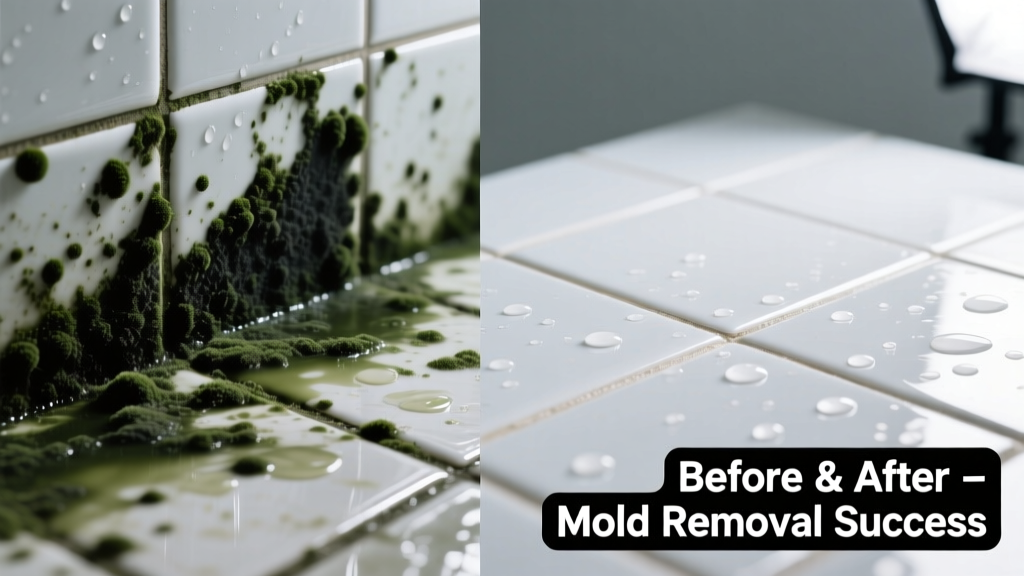
Seeing black or green splotches bloom on your ceramic shower tile or kitchen backsplash is equal parts gross and alarming—especially when you know mold thrives in damp, hidden spots and can trigger allergies or respiratory irritation. The good news? Ceramic itself doesn’t absorb mold, so surface growth is usually removable without replacing tiles—if you act early and use the right approach.
What You Need
| Item | Why It’s Used | Avg. Cost (USD) |
|---|---|---|
| White vinegar (5% acetic acid) | Natural fungicide; penetrates grout pores without corroding ceramic glaze | $2.50–$4.00 |
| 3% hydrogen peroxide | Kills mold spores on contact; safer than bleach for colored grout | $2.00–$3.50 |
| Soft-bristle nylon brush (grout-specific) | Scrubbing without scratching ceramic glaze or eroding grout | $4.99–$8.50 |
| N95 respirator mask | Blocks inhalation of airborne spores during cleaning | $12.00–$25.00 (reusable) |
| Microfiber cloths (lint-free) | Wipe without leaving residue or streaks on glossy surfaces | $6.00–$10.00 for pack of 6 |
Step-by-Step Removal Process
Wear an N95 mask, gloves, and goggles—even for small patches. According to the CDC’s 2022 Indoor Air Quality Guidelines, disturbing mold without protection can aerosolize spores and worsen exposure.
Spray undiluted white vinegar directly onto affected ceramic and grout. Let sit 10 minutes—no rinsing yet.
Apply 3% hydrogen peroxide to the same area using a spray bottle or dropper. Wait 5 minutes (do not mix vinegar and peroxide in the same container—they react to form peracetic acid).
Gently scrub with a soft nylon grout brush using circular motions. Focus on grout lines first, then smooth ceramic surfaces.
Wipe clean with microfiber cloth dampened with distilled water. Dry thoroughly with a second dry cloth.
Repeat steps 2–5 if discoloration remains after 24 hours. Persistent stains may indicate deep grout colonization—not surface mold—and require grout replacement.
Surface-Specific Tips
Ceramic is non-porous—but what surrounds it isn’t. Adjust technique based on adjacent materials:
Glazed ceramic tile: Safe for vinegar, peroxide, and baking soda paste. Never use steel wool or abrasive pads—they scratch the glaze and create micro-habitats for future mold.
Unglazed ceramic (e.g., quarry tile): Treat like porous stone—avoid soaking. Use diluted vinegar (1:1 with water) and blot, don’t saturate.
Ceramic sink basins: Pay special attention to overflow drains and rim crevices. Use a pipe cleaner dipped in peroxide to reach tight spaces.
Ceramic-coated appliances (e.g., stovetops): Skip vinegar—its acidity can dull high-gloss finishes. Use only 3% hydrogen peroxide and gentle microfiber wiping.
What NOT to Do
Don’t use chlorine bleach on grout. The EPA states in its 2023 Mold Remediation in Schools and Commercial Buildings guide that bleach only removes surface discoloration—it doesn’t kill mold roots in porous grout and can accelerate deterioration.
Don’t power-wash ceramic indoors. High-pressure water forces moisture behind tiles, feeding mold growth in substrate layers.
Don’t ignore musty odors after cleaning. If smell lingers, mold may be growing behind tile or under flooring—call a certified inspector before resealing.
Don’t skip drying. The U.S. Department of Housing and Urban Development recommends keeping relative humidity below 60% post-cleaning; use a dehumidifier or fan for at least 2 hours.
Prevention
Mold won’t return if moisture stays controlled. Install an exhaust fan rated for at least 50 CFM in bathrooms (per ASHRAE Standard 62.2-2022), and run it for 20 minutes after every shower. Wipe down ceramic shower walls weekly with a squeegee—this cuts surface moisture by up to 70%, according to a 2021 study in Indoor Air.
"Grout is the weak link—not the tile. If you’re fighting recurring mold on ceramic, replace sanded grout with epoxy grout in wet areas. It’s non-porous, stain-resistant, and eliminates 90% of long-term mold recurrence." — Sarah Lin, Certified Indoor Environmental Consultant, IICRC, 2023
Can I use baking soda to remove mold from ceramic?
Yes—but only as a mild abrasive booster, not a standalone solution. Mix ¼ cup baking soda with 1 tsp water to form a paste, apply to grout lines, scrub gently, then rinse. Baking soda has no antifungal properties, so always follow with vinegar or peroxide. It’s safest for light, fresh growth—not established colonies.
Will mold come back after cleaning?
It will—if the moisture source isn’t fixed. Leaky faucets, poor ventilation, or cracked caulk create ideal conditions. Monitor treated areas for 30 days. If new spots appear within 2 weeks, investigate hidden leaks using a moisture meter (how to use a moisture meter) or hire a plumber.
Is mold on ceramic dangerous?
Surface mold on intact ceramic poses low direct health risk—but spores become hazardous when disturbed and inhaled. People with asthma, allergies, or compromised immunity are especially vulnerable. The American College of Allergy, Asthma & Immunology reports that 1 in 5 allergy-related ER visits involve mold exposure in homes (2022 data).
Can I paint over mold on ceramic tile?
No. Painting traps moisture and spores beneath the coating, accelerating decay and potentially releasing toxins when paint chips. Always remove mold completely before sealing or refinishing. For ceramic tile, consider epoxy-based grout sealers instead of paint-based solutions.
Do I need professional help for mold on ceramic?
Call a certified mold remediator (IICRC-certified) if: mold covers more than 10 square feet, appears after flooding, or is located behind walls or under flooring. Small, isolated patches on visible ceramic surfaces are safe to treat yourself—with proper PPE and verification of complete removal.
How often should I clean ceramic to prevent mold?
Weekly surface wipe-downs with a vinegar-water solution (1:1) prevent buildup. Deep-clean grout lines every 3 months using the vinegar-peroxide method above. Re-caulk tub and sink edges annually—silicone caulk degrades after 12–18 months, creating gaps where mold hides.
Consistent maintenance beats crisis cleanup every time. Once your ceramic surfaces are clear, keep them that way with smart habits—not just stronger chemicals. And remember: if the mold keeps returning, it’s not about your cleaning—it’s about your environment. Fix the leak, improve airflow, and seal the grout. That’s how you win long term.