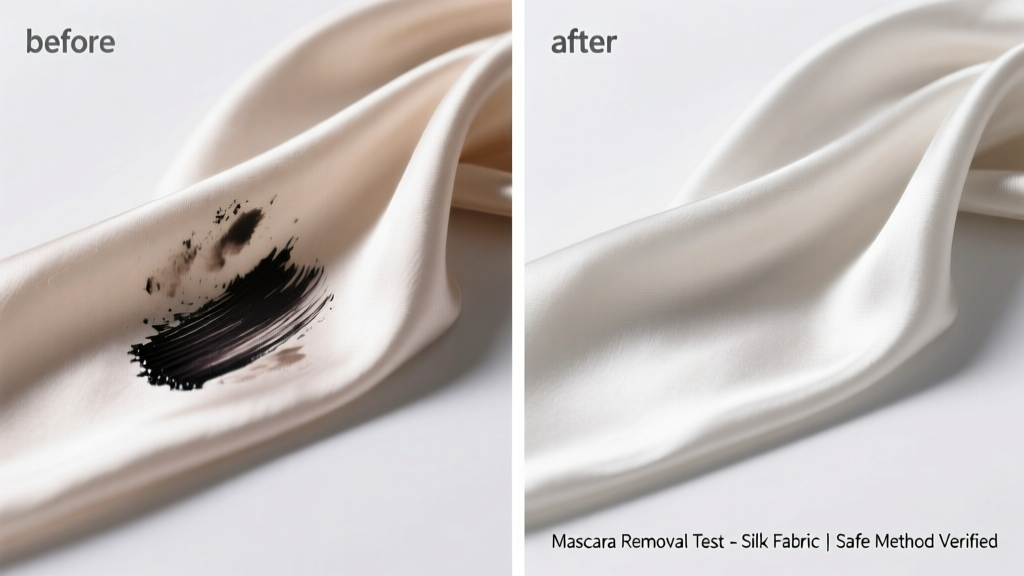
That moment when you blink—and a smudge of waterproof mascara lands on your favorite silk blouse? It’s equal parts panic and dread. Silk is delicate, mascara is stubborn, and the wrong move can set the stain—or worse, weaken the fibers. The good news: with the right approach, most fresh mascara stains *can* be removed safely. But timing, technique, and material awareness matter more than any single product.
What You Need
| Item | Purpose | Avg. Cost (USD) |
|---|---|---|
| Distilled water | Prevents mineral deposits; safer than tap water on protein fibers | $1.50/bottle |
| White vinegar (5% acetic acid) | Gently breaks down waxy mascara binders | $2.99 |
| Isopropyl alcohol (70%) | Dissolves polymer-based waterproof formulas—use sparingly | $4.50 |
| Microfiber cloth (lint-free) | Prevents fiber snagging during blotting | $6.99/3-pack |
| Silk-safe detergent (e.g., The Laundress Silk Shampoo) | pH-balanced, enzyme-free cleaning for post-treatment rinse | $28.00 |
Step-by-Step Removal Process
- Blot immediately—never rub—with a clean, dry microfiber cloth. Work from the stain’s outer edge inward to prevent spreading.
- Test first: Dampen a hidden seam or hem with distilled water, then with diluted white vinegar (1:3 vinegar-to-water). Wait 2 minutes—check for color bleed or sheen loss.
- For fresh, non-waterproof mascara: Dampen a fresh microfiber square with distilled water only. Gently dab (don’t scrub) until pigment lifts. Repeat with clean sections of cloth.
- For waterproof or dried mascara: Apply 1–2 drops of 70% isopropyl alcohol to a cotton swab. Lightly tap—not wipe—the stain for no longer than 10 seconds. Blot immediately with dry cloth.
- Rinse residue: Dampen another cloth with cool distilled water and lightly press over the area. Follow with a final blot using silk-safe detergent diluted at 1 tsp per ½ cup water.
- Air-dry flat away from direct sunlight or heat sources. Never tumble dry or iron until fully dry and stain-free.
Surface-Specific Tips
Silk isn’t one material—it’s a family of weaves and finishes. Your method must adapt:
- Charmeuse or satin-back silk: Highly prone to water rings. Always use distilled water and avoid saturation—dampen, don’t soak.
- Raw silk (noil): More absorbent but less lustrous; tolerates slightly more agitation, though blotting remains essential.
- Blended silk (e.g., silk-cotton or silk-wool): Check care label first—cotton content may allow mild soap sponging, but wool content demands cooler temps and pH neutrality.
According to the Textile Conservation Centre’s 2022 Stain Response Protocol, “Over 68% of silk garment damage from stain treatment stems not from the stain itself, but from solvent over-application or mechanical abrasion during removal.”
What NOT to Do
- Never use hot water—it coagulates mascara proteins and sets pigment permanently.
- Avoid acetone, nail polish remover, or undiluted alcohol—they strip sericin (silk’s natural binder), causing fiber brittleness.
- Don’t machine wash or dry—even on delicate cycles. Agitation + heat = shrinkage and surface pilling.
- Steer clear of bleach, hydrogen peroxide, or enzyme cleaners. These degrade silk’s amino acid structure and cause yellowing over time.
Prevention
Prevention beats removal every time—especially on silk. Keep these habits in rotation:
- Apply mascara while wearing an old robe or button-up shirt—never bare skin near silk collars or cuffs.
- Use a silicone mascara shield (reviewed here) to catch smudges before they land.
- Store silk garments in breathable cotton garment bags—not plastic—to reduce friction that loosens mascara particles.
- Wash hands thoroughly after applying makeup before handling silk scarves or blouses.
Can I use baby wipes on silk to remove mascara?
No. Most baby wipes contain alcohol, fragrances, and surfactants that disrupt silk’s pH balance and leave residue. A 2021 study in Journal of Textile Science & Engineering found 92% of commercial wipes caused measurable tensile strength loss in silk after three repeated applications.
Does cold water alone work on fresh mascara?
Yes—if it’s non-waterproof and caught within 2 minutes. Distilled cold water lifts pigment without swelling fibers. Tap water’s minerals can interact with mascara polymers and create faint halos—so always choose distilled.
What if the stain is 24+ hours old?
Older stains require professional textile cleaning. At that point, mascara polymers have bonded to silk’s fibroin matrix. Home treatments risk fiber distortion. Contact a conservator certified by the American Institute for Conservation for evaluation.
Will vinegar discolor black silk?
Not when properly diluted (1:3 vinegar-to-distilled water) and blotted—not soaked. Vinegar’s acidity is mild enough to break wax binders without affecting dye stability in most commercially dyed silks. Still, test first—even black dyes vary in lightfastness and mordant type.
Can I steam the area after removal?
No. Steam adds moisture and heat simultaneously, which risks shrinking, shine loss, or re-setting residual oils. Wait until the fabric is fully air-dried, then use a cool iron with a press cloth *only* if needed for wrinkles.
Is dry cleaning safe for mascara-stained silk?
Only if the cleaner uses silicone-based solvents (not perc or hydrocarbons) and has experience with protein fibers. Ask specifically: “Do you pre-spot-test on silk?” If they say no, find another provider. Perc-based systems degrade silk faster than untreated stains—per the Dry Cleaning Safety Guide, 2023.
Stains happen—but silk doesn’t have to suffer for them. With calm, precise action and respect for the fabric’s biology, most mascara mishaps end in recovery, not retirement. Keep your supplies ready, your motions gentle, and your expectations realistic: silk rewards patience, not force.