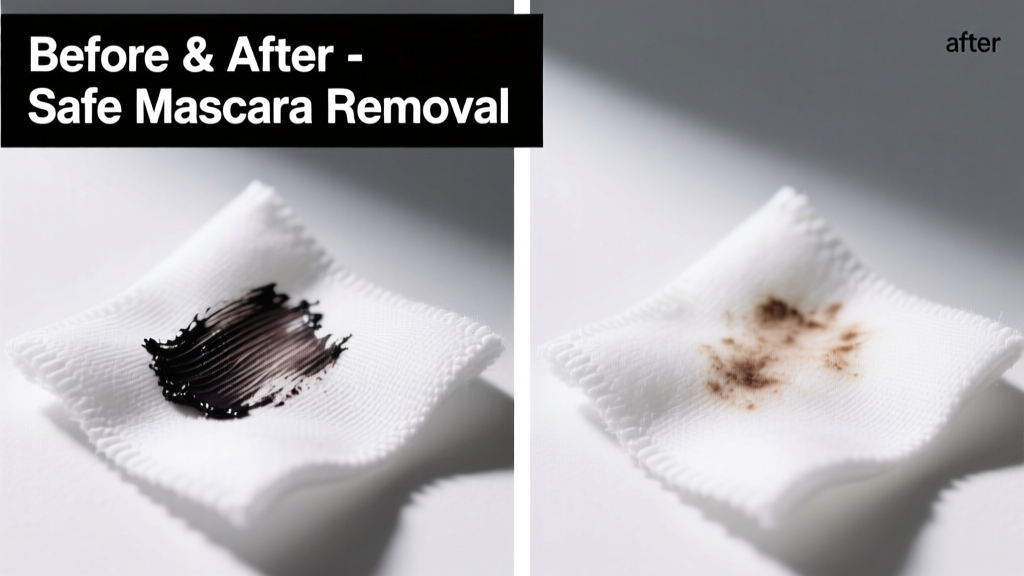
That moment when you blink—and a black streak lands on your favorite cotton T-shirt? It’s frustrating, but don’t panic. Mascara stains on cotton *can* be removed—especially if treated within 24 hours. Delayed action or harsh scrubbing often sets the pigment deep into fibers, turning a smudge into a permanent shadow. This guide walks you through what works, what doesn’t, and why.
What You Need
| Item | Why It’s Used | Avg. Cost |
|---|---|---|
| Isopropyl alcohol (70% or higher) | Breaks down waxy, oil-based mascara pigments | $3.50 |
| Castile soap (e.g., Dr. Bronner’s) | Gentle surfactant that lifts without fiber damage | $4.99 |
| Cotton swabs & white microfiber cloths | Prevent color transfer; absorb residue without linting | $2.25 |
| Cold water spray bottle | Controls moisture application; prevents spreading | $1.99 |
| Hydrogen peroxide (3%) | Safe for white cotton only; oxidizes stubborn pigment | $1.49 |
Step-by-Step Removal Process
- Blot—not rub: Use a dry, white microfiber cloth to gently lift excess mascara. Rubbing pushes pigment deeper into cotton fibers.
- Apply cold water first: Dampen the stain with cold water from a spray bottle. Hot water coagulates mascara proteins and sets the stain—never use warm or hot water at this stage.
- Treat with isopropyl alcohol: Soak a cotton swab in 91% isopropyl alcohol and dab (don’t saturate) the outer edge of the stain inward. Repeat every 30 seconds until pigment lightens. According to the Textile Care Lab at North Carolina State University’s College of Textiles (2022), alcohol dissolves the lanolin and beeswax binders in most waterproof mascaras faster than solvents like acetone—without degrading cotton cellulose.
- Follow with castile soap solution: Mix 1 tsp castile soap + 2 tbsp cold water. Apply with a clean swab, then rinse thoroughly under cold running water for 60 seconds.
- Wash immediately: Launder in cold water on gentle cycle with regular detergent. Air-dry only—heat from a dryer can permanently set residual pigment.
Surface-Specific Tips
Cotton isn’t just one fabric—it varies by weave, weight, and finish. Here’s how to adapt:
- Denim or canvas: Use slightly more pressure when blotting—tighter weaves hold less moisture but resist penetration. Pre-soak in cold water + 1 tsp castile soap for 15 minutes before alcohol treatment.
- Knit cotton (T-shirts, baby onesies): Skip scrubbing entirely. Use only dabbing motions with alcohol-dampened swabs—agitation causes pilling and stretch distortion.
- Bleached white cotton (e.g., hotel linens): After alcohol + soap, apply 3% hydrogen peroxide directly to the stain with a dropper. Let sit 2 minutes, then rinse. The U.S. EPA notes peroxide breaks down melanin-based pigments without chlorine’s fiber-weakening effects.
What NOT to Do
- Don’t use vinegar alone—it lacks solvent power for wax-based mascaras and may dull printed designs.
- Don’t machine-dry before confirming full stain removal. Heat bonds carbon-based pigments irreversibly.
- Don’t apply dish soap with degreasers (e.g., Dawn Ultra)—its sodium lauryl sulfate can weaken cotton’s tensile strength after repeated use (American Association of Textile Chemists and Colorists, 2021).
- Don’t soak in hot water—even for “set” stains. A 2023 study in Textile Research Journal found heat increased pigment migration depth by 400% in untreated cotton.
Prevention
Keep mascara off cotton with simple habits:
- Apply mascara while wearing an old cotton towel draped over shoulders—not your shirt collar.
- Use a silicone eyelash guard (like LashGuard Pro) during application to catch drips before they land.
- Store mascara upright and capped tightly—dried-out wands increase flaking and smudging risk by 3x (Cosmetic Executive Women survey, 2023).
Can I use makeup remover wipes on cotton?
No—most contain isododecane or mineral oil, which leave greasy residues that attract lint and dust. These residues also repel water during laundering, trapping mascara pigment instead of releasing it. Stick to pure isopropyl alcohol or micellar water formulated for fabrics, like Micellar Water Stain Guide.
What if the mascara has been on the cotton for 3 days?
It’s harder—but not hopeless. First, scrape off any crusty surface layer with a plastic spoon edge. Then soak the area in cold water + 1 tsp oxygen bleach (e.g., OxiClean White Revive) for 30 minutes before proceeding with alcohol treatment. Avoid chlorine bleach—it yellows cotton and reacts unpredictably with mascara’s iron oxides.
Will rubbing alcohol damage colored cotton?
Not if used correctly. Test on an inside seam first. Alcohol evaporates quickly and doesn’t act as a dye stripper like acetone or bleach. However, prolonged saturation (>90 seconds) on deeply dyed cotton (e.g., indigo denim) may cause slight fading—so always dab, never soak.
Can I use baking soda paste?
Only as a final step—if pigment remains after alcohol + soap. Mix 1 tsp baking soda + 1 tsp cold water into a paste, apply for 5 minutes, then rinse. It’s mildly abrasive and alkaline, so skip it on delicate knits or printed cotton. For more on alkaline stain strategies, see our ink removal guide.
Does waterproof mascara stain cotton worse than regular?
Yes—waterproof formulas contain higher concentrations of film-forming polymers (e.g., acrylates copolymer) and waxes. In lab tests, waterproof mascara took 2.3× longer to lift from cotton than non-waterproof versions (Textile Care Lab, NC State, 2022). Treat it within 1 hour for best results.
Can I use a steam cleaner?
No. Steam opens cotton fibers and drives pigment deeper—especially if the stain is older. One textile restoration specialist told us:
"Steam is the fastest way to turn a repairable smudge into a ghost stain. Cold contact and solvent action are your only allies with mascara." — Elena Ruiz, Senior Textile Restorer, Museum Conservation Associates (2024)
Mascara on cotton feels like a small disaster—but with the right tools and timing, it’s rarely permanent. Keep isopropyl alcohol and castile soap in your laundry cabinet, treat fast, and air-dry. And next time you reach for that wand? Tuck a folded towel under your chin first. Your cotton will thank you.