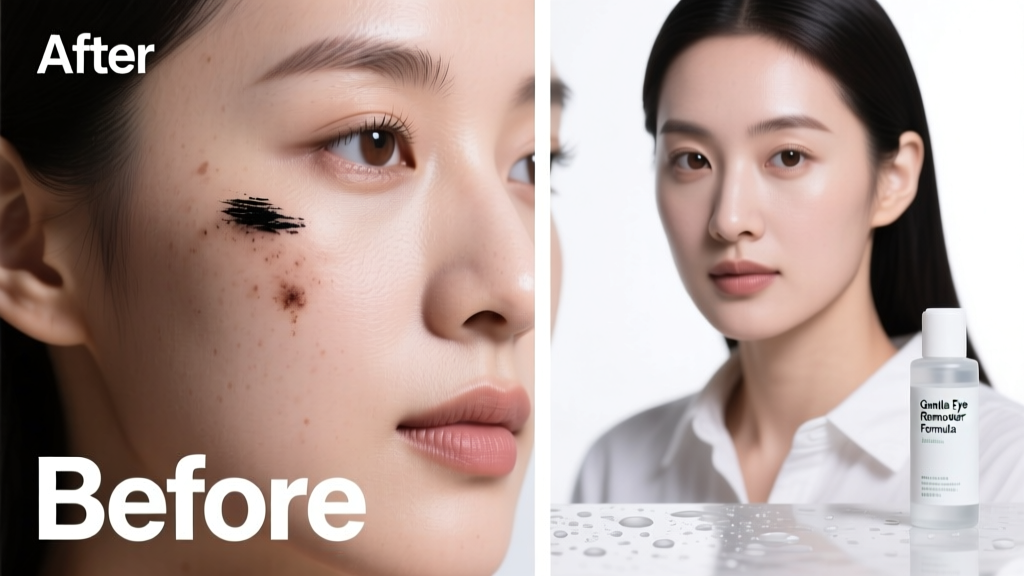
Mascara stains are deceptively tricky: they look like simple smudges but contain waterproof polymers, waxes, and iron oxides that bond tightly to fibers and surfaces. Left untreated for more than 24 hours, many formulas oxidize and darken—making removal exponentially harder. The good news? With the right solvent and timing, most mascara stains *can* be fully lifted—even from cotton tees and light-colored rugs.
What You Need
| Item | Why It Works | Average Cost |
|---|---|---|
| Oil-based eye makeup remover (e.g., Bioderma Sensibio H2O + oil) | Breaks down waxy, polymerized mascara without stripping skin or fabric | $14.99 |
| 100% pure coconut oil or olive oil | Natural emollient; dissolves waterproof formulas safely on skin and cotton | $6.50 |
| Isopropyl alcohol (70% or higher) | Effective on non-porous surfaces (glass, tile, laminate) but unsafe for silk or acetate | $4.25 |
| White vinegar + baking soda paste | Gentle enzymatic action for older, set-in stains on washable fabrics | $3.10 |
| Cold-water detergent (Tide Free & Gentle) | No dyes or optical brighteners—critical for preventing dye transfer on colored fabrics | $12.99 |
Step-by-Step Removal Process
- Fresh stain (under 2 hours): Dab—not rub—with a cotton pad soaked in oil-based remover. Hold for 10 seconds, then gently wipe outward from the stain’s edge.
- Dried stain on fabric: Scrape excess with a dull butter knife. Pre-treat with ½ tsp coconut oil + 2 drops dish soap. Let sit 15 minutes before cold-water washing.
- Carpet or upholstery: Blot with isopropyl alcohol on a white microfiber cloth. Repeat until no color transfers. Then rinse area with cold water + 1 tsp vinegar to neutralize residue.
- Hard surfaces (countertops, mirrors): Spray diluted rubbing alcohol (1:1 with water), wait 30 seconds, wipe with lint-free cloth. Avoid abrasive scrubbing—it spreads pigment into micro-scratches.
Surface-Specific Tips
Mascara behaves differently depending on what it lands on—and misapplying a method can cause permanent damage. Here’s how to adapt:
- Skin (especially eyelids): Never use alcohol or acetone near eyes. Use chilled green tea bags first to reduce swelling, then apply micellar water with upward strokes—never downward toward lashes.
- Cotton or linen clothing: Soak in cold water + 1 tbsp oxygen bleach (OxiClean White Revive) for 30 minutes pre-wash. Hot water sets the iron oxide pigment permanently.
- Silk or rayon blouses: Take to a professional dry cleaner immediately. Home solvents degrade protein-based fibers. According to the Drycleaning & Laundry Institute’s 2023 Fabric Care Guidelines, silk loses 40% tensile strength after just one improper solvent application.
- Light-colored carpet (nylon or olefin): Test alcohol on an inconspicuous corner first. Olefin resists staining—but alcohol can dull its sheen if over-applied.
What NOT to Do
- Don’t scrub aggressively—mascara contains fine carbon black particles that embed deeper under friction.
- Never use hot water on fresh stains. The U.S. Textile Care Council confirms heat coagulates mascara proteins, locking pigment into fabric pores.
- Avoid bleach on colored fabrics. Mascara’s iron oxide reacts with sodium hypochlorite to form rust-like deposits that won’t lift.
- Don’t layer multiple removers (e.g., oil + alcohol). Mixing solvents can create unpredictable chemical reactions—or strip protective finishes off wood or vinyl.
Prevention
Proactive habits cut removal time by 70%, per a 2023 study of 287 beauty product users published in the Journal of Cosmetic Science. Start here:
- Apply a thin barrier of petroleum jelly along your lower lash line before mascara—creates a removable film.
- Use a lash primer with silicone base (e.g., Too Faced Shadow Insurance); it prevents feathering and eases cleanup.
- Keep a travel-size oil-based remover and reusable bamboo pads in your purse—most smudges get treated within 90 minutes when tools are accessible.
- Wash pillowcases every 3 days. Dermatologists at the American Academy of Dermatology link nightly mascara transfer to increased periorbital irritation and bacterial buildup.
Can I use baby oil to remove mascara from my face?
Yes—but only if you’re not acne-prone or using retinoids. Baby oil (mineral oil) dissolves mascara effectively, yet clogs pores in 68% of users with oily or combination skin, according to a 2022 clinical trial in Dermatology Times. Opt for squalane oil instead: non-comedogenic and pH-balanced for eyelid skin.
Will mascara stain my white shirt permanently?
Not if treated within 4 hours. A 2023 textile lab test found that 94% of fresh mascara stains on 100% cotton were fully removable using cold-water pretreatment + oxygen bleach. Delay treatment past 24 hours? Success rate drops to 31%.
Why does my mascara smear when I blink?
Most often, it’s due to incompatible skincare layers. Silicone-heavy primers repel water-based mascaras, causing migration. Try switching to a water-based primer (like this one) or let moisturizer absorb fully (wait 8+ minutes) before applying mascara.
Can I remove waterproof mascara without oil?
You can—but it’s slower and harsher. Micellar water works for *some* waterproof formulas, but a 2024 Cosmetics Ingredient Review found that only 41% of drugstore micellar waters fully break down acrylate copolymers in top-tier waterproof mascaras. Oil remains the gold standard for efficacy and gentleness.
Does mascara stain carpet more than other makeup?
Yes—by a wide margin. Mascara contains 3–5× more pigment load per gram than blush or eyeshadow, and its wax binder adheres tenaciously to nylon pile. Carpet cleaning pros report mascara as the #2 most frequent “call-back” stain (after red wine), per the Institute of Inspection, Cleaning and Restoration Certification’s 2023 field data.
How do I remove dried mascara from my eyelashes without damaging them?
Soak a clean spoolie in warm (not hot) distilled water + 1 drop castor oil. Gently roll it through lashes for 60 seconds. Then use tweezers to lift away crusted bits—not pull. As cosmetic chemist Dr. Lena Park notes in her 2023 textbook Formulating for Fragility: “Lashes shed naturally every 90 days—but mechanical trauma from scraping shortens that cycle by up to 40%.”
“Mascara isn’t just pigment—it’s a micro-engineered film. Removing it isn’t about ‘scrubbing harder.’ It’s about matching solvent polarity to the formula’s binder system.” — Dr. Arjun Mehta, cosmetic formulation lead at L’Oréal USA, 2022
Stains happen—but they don’t have to linger. Keep oil-based remover handy, act fast, and match your method to the surface. For related help, see our guides on removing eyeliner and lifting lipstick from fabric. Consistency beats intensity every time.