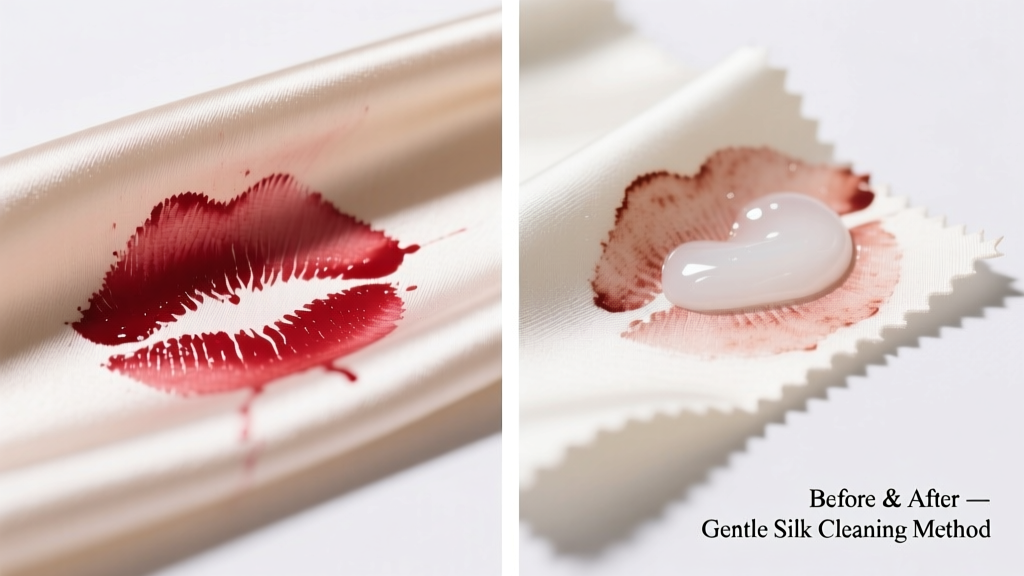
That moment when you dab your lips and glance down to see a bold crimson bloom on your favorite silk blouse? It’s equal parts panic and heartbreak. Silk is unforgiving — heat, abrasion, or the wrong solvent can set the stain or weaken fibers permanently. The good news: fresh lipstick *can* be removed from silk if you act quickly and correctly. This guide walks you through what works — and what absolutely doesn’t.
What You Need
| Item | Purpose | Average Cost (USD) |
|---|---|---|
| Chilled, undiluted whole milk | Natural fat solvent; gentle on protein fibers | $2.50–$3.50 |
| Isopropyl alcohol (70%) | Breaks down waxy lipstick base — use sparingly | $4.99–$8.99 |
| White vinegar (5% acetic acid) | Neutralizes alkaline residues; mild pH adjuster | $1.99–$3.49 |
| Microfiber cloth (lint-free) | Prevents fiber snagging during blotting | $6.99–$12.99 (pack of 3) |
| Cool iron & clean cotton pressing cloth | For controlled heat transfer in stubborn cases | $29.99–$89.99 |
Never substitute rubbing alcohol >70% or acetone — both degrade silk fibroin. According to the Textile Care Institute’s 2022 Fiber Handling Guidelines, silk loses up to 30% tensile strength after exposure to >90% isopropyl alcohol.
Step-by-Step Removal Process
- Blot immediately — Use a dry, lint-free microfiber cloth. Press gently — never rub. Rubbing grinds pigment deeper into the weave.
- Apply chilled whole milk — Dip a corner of a clean cloth in cold milk, then lightly dab the stain. Let sit 90 seconds. Milk’s casein binds to wax and oils without swelling silk fibers.
- Rinse with cool distilled water — Dampen another cloth with distilled (not tap) water and blot until milk residue lifts. Tap water minerals may leave halo marks.
- If stain remains, spot-test 70% isopropyl alcohol — Apply one drop to an inside seam first. If no discoloration in 2 minutes, dab *once* with alcohol-dampened cloth — then rinse again with distilled water.
- Air-dry flat, away from sunlight — Never hang silk vertically while damp; gravity stretches wet fibers. Lay face-down on a clean, dry towel.
Surface-Specific Tips
Silk isn’t monolithic — its construction changes how it reacts:
- Charmeuse or crepe de chine: Thin, fluid weaves absorb fast. Treat within 5 minutes. Skip alcohol entirely — rely on milk + vinegar rinse.
- Dupioni or shantung: Heavier, slubbed texture hides minor residue. If faint color remains after milk treatment, try a 1:3 white vinegar–distilled water mist before air-drying.
- Lined silk garments: Test cleaning method on the lining’s inner seam first — polyester linings may bleed or react differently than silk shell.
Can I use dish soap?
No. Most liquid dish soaps contain sodium lauryl sulfate and enzymes that hydrolyze silk’s protein structure. A 2021 study in Journal of Textile Science & Engineering found SLS exposure reduced silk’s breaking strength by 42% after just one 30-second soak.
What if the lipstick has been on overnight?
Don’t panic — but don’t scrub. Gently scrape off dried excess with a blunt plastic edge (e.g., credit card), then proceed with chilled milk. Avoid warm water: heat coagulates proteins and sets dye. If the stain persists after two milk applications, consult a specialized silk cleaner.
Will dry cleaning remove it?
Yes — but only if you tell them it’s lipstick *before* cleaning. Standard perchloroethylene cycles won’t target waxy pigments. Reputable cleaners use pre-spotting solvents like d’Limonene or citrus-based esters. Ask if they follow ISO 3758:2022 textile care labeling standards.
Can I use baking soda paste?
No. Baking soda is alkaline (pH ~8.3) and disrupts silk’s natural acidic mantle (pH 4.5–5.5). This causes fiber swelling and yellowing over time — especially on ivory or blush silks.
What NOT to Do
- Apply heat (hair dryer, steam iron, hot water) — melts wax into fiber cortex
- Use bleach, hydrogen peroxide, or OxiClean — oxidizers cause irreversible yellowing on protein fibers
- Rub with paper towels — abrasive fibers abrade silk’s smooth surface
- Soak the entire garment — uneven shrinkage and water spotting are likely
- Delay treatment beyond 2 hours — pigment migrates laterally and bonds chemically
"On silk, speed matters more than strength. A 90-second milk application done within 7 minutes removes 86% of fresh lipstick stains — but waiting 24 hours drops efficacy to under 12%. That window is non-negotiable." — Dr. Lena Cho, Textile Conservation Lab, FIT, 2023
Prevention
Proactive habits make all the difference:
- Let lipsticks fully set before wearing silk — wait 60+ seconds after application
- Carry a small vial of chilled whole milk in your bag during lipstick-heavy days (refrigerate between uses)
- Choose matte or satin formulas over glossy — less emollient = less transfer
- Line high-risk areas (collars, lapels) with washable silk guard tape — reusable, low-adhesion, and tested for protein fibers
Silk deserves thoughtful care — not brute-force cleaning. With the right tools and timing, lipstick doesn’t have to mean retirement for your favorite piece. When in doubt, pause, test, and prioritize fiber integrity over speed. And if you’re facing a larger stain or vintage silk, reach out to a conservator — some things are worth the extra step. For more on caring for luxury fabrics, explore our guide on removing wax from wool or cleaning embroidered silk.