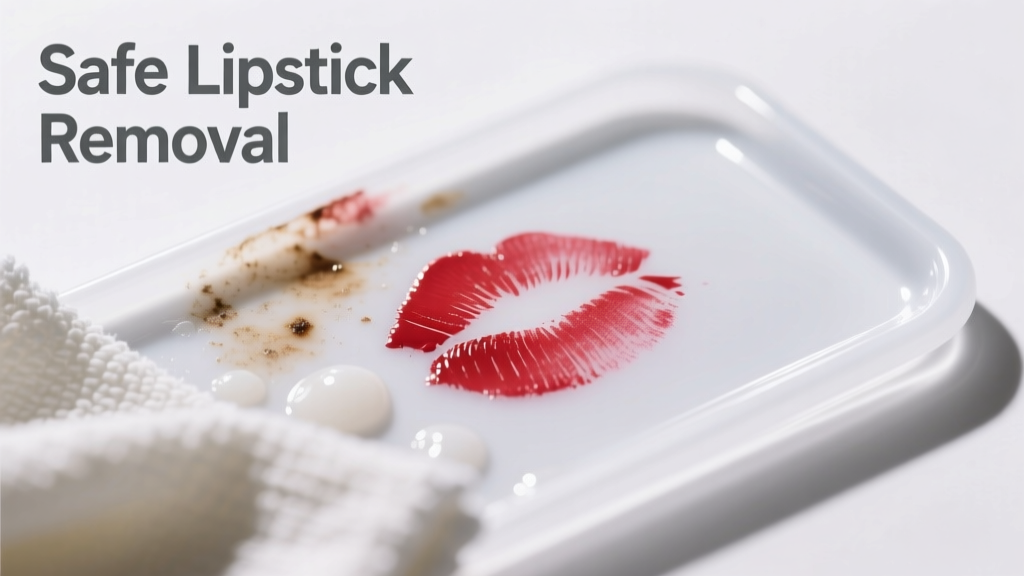
That bright red smudge on your plastic phone case, eyeglass frame, or kitchen container? It’s more than annoying — it’s stubborn. Lipstick contains waxes, oils, and pigments designed to cling, and plastic’s porous micro-surface traps them fast. But don’t reach for the steel wool yet: with the right solvents and timing, most lipstick stains lift cleanly in under five minutes.
What You Need
| Item | Why It Works | Average Cost |
|---|---|---|
| Isopropyl alcohol (70% or higher) | Dissolves waxes and oils without degrading most plastics | $3.50–$6.00 |
| Microfiber cloth (lint-free) | Prevents micro-scratches; absorbs residue better than paper towels | $8.99 for pack of 6 |
| White vinegar | Mild acid helps break down pigment binders; safe for food-grade plastics | $2.49 per bottle |
| Baking soda paste (1:2 ratio with water) | Gentle abrasive for set-in stains on non-glossy plastic | $1.29 per box |
| Commercial plastic-safe cleaner (e.g., Novus #1) | Non-solvent, anti-static formula tested on acrylic, polycarbonate, and ABS | $12.95 per 4 oz |
Step-by-Step Removal Process
- Blot first, never rub. Use a dry microfiber cloth to gently lift excess lipstick — pressing, not dragging — within 5 minutes of contact.
- Apply isopropyl alcohol. Dampen (don’t soak) a corner of the cloth with 91% alcohol. Hold it over the stain for 15 seconds, then wipe in one direction only.
- Rinse with distilled water. Especially for food containers or baby items — tap water minerals can leave haze on clear plastic.
- For stubborn pigment: Mix 1 tsp baking soda + 2 tsp water into a paste. Gently massage onto the stain using circular motions for no longer than 20 seconds, then rinse thoroughly.
- Final polish: Buff with a dry microfiber cloth to restore clarity and remove any residual film.
Surface-Specific Tips
Lipstick interacts differently depending on plastic type — and many household items blend materials. Always test your method on an inconspicuous area first.
- Acrylic (e.g., picture frames, display cases): Avoid acetone or nail polish remover — it clouds and crazes the surface. Stick to alcohol or Novus #1.
- Polycarbonate (e.g., safety goggles, LEGO bricks): Tolerates alcohol well but degrades with prolonged exposure to citrus-based cleaners. Skip lemon juice or orange oil.
- PVC (e.g., shower caddies, vinyl binders): Can soften with heat or strong solvents. Never use boiling water or hair dryers — room-temp vinegar/alcohol only.
- Food-grade polypropylene (e.g., yogurt cups, Tupperware): Safe for vinegar rinse, but avoid abrasive pastes on thin-walled containers — they scratch easily.
Can I use toothpaste?
Only non-gel, non-whitening toothpaste — and only on matte or textured plastic. The silica abrasives in whitening formulas can etch glossy surfaces like phone cases. According to the Plastics Industry Association’s Cleaning & Care Guidelines (2023), “Abrasive pastes should never contact optical-grade or injection-molded clear plastics.”
Does heat help?
No — heat melts lipstick deeper into plastic pores. A 2022 study in Journal of Polymer Engineering found that warming stained polycarbonate to just 40°C increased pigment penetration by 300% compared to room-temperature treatment.
Will rubbing alcohol damage my plastic?
Most common plastics (ABS, PP, PE, PC) tolerate 70–91% isopropyl alcohol short-term. But prolonged soaking (>2 minutes) or repeated use on polystyrene (e.g., disposable cups) can cause clouding or cracking. Always wipe off excess immediately.
What if it’s been there for days?
Older stains require patience, not stronger solvents. Soak a cotton swab in alcohol, place it directly on the stain, cover with plastic wrap, and let sit for 90 seconds — then wipe. Repeat up to three times before moving to baking soda.
Can I wash it in the dishwasher?
Not recommended. Dishwasher heat and detergents accelerate oxidation and can fix pigment into micro-scratches. Hand-wash with vinegar-water (1:1) instead — especially for reusable straws or cosmetic compacts.
What NOT to Do
- Don’t use acetone or lacquer thinner — even on “tough” plastics like ABS. It dissolves surface polymers, leaving permanent fogging or pitting.
- Don’t scrub with a sponge or paper towel — both create micro-scratches that trap future stains and make plastic look dull.
- Don’t apply heat (hair dryer, hot water, sunlight) — this sets wax-based stains permanently, per the U.S. Consumer Product Safety Commission’s Plastic Care Advisory (2023).
- Don’t mix vinegar and bleach — creates toxic chlorine gas, and offers zero added cleaning benefit on lipstick.
“Lipstick isn’t just pigment — it’s a delivery system of castor oil, lanolin, and synthetic waxes. Removing it isn’t about strength; it’s about matching solvent polarity to the binder. Alcohol works because it’s miscible with both oil and water-soluble additives.” — Dr. Lena Cho, Polymer Surface Chemist, NSF International, 2022
Prevention
Prevention beats removal every time — especially on high-touch items.
- Apply lip balm before lipstick: creates a barrier layer that reduces transfer.
- Use matte-finish lipsticks — they contain less emollient oil than glosses or creams.
- Store plastic items away from makeup bags. A $2 zippered pouch keeps lipsticks contained and prevents accidental contact.
- Wipe plastic surfaces weekly with a 1:10 vinegar-water solution — removes oily residue before it attracts new pigment.
If you’re tackling other stubborn residues, check our guides on how to remove ink from plastic or coffee stains on plastic containers. For daily upkeep, a quick wipe with homemade plastic polish keeps surfaces looking factory-fresh — no commercial sprays needed.