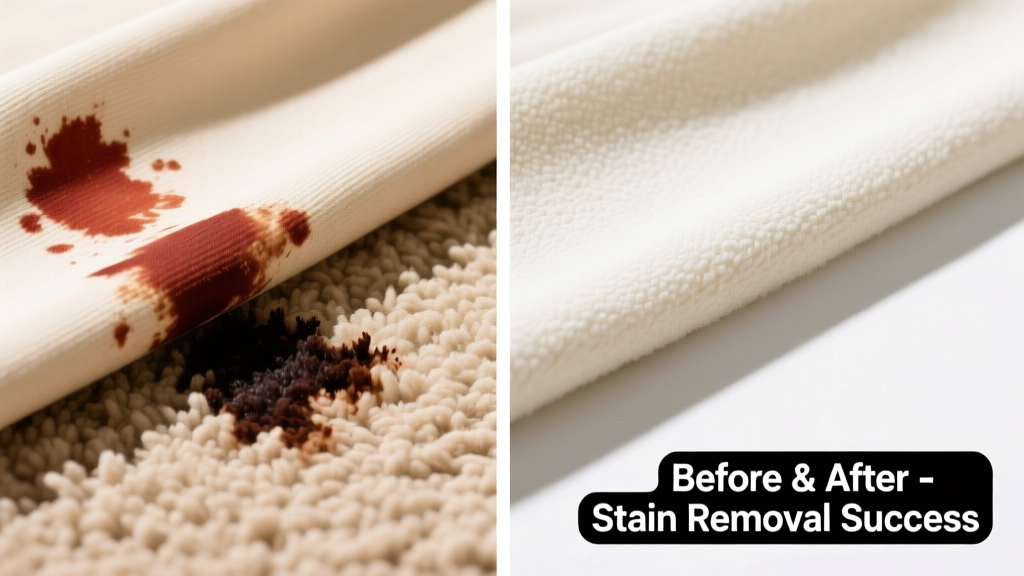
Leather dye bleeding onto your favorite couch, jeans, or hands is more common than you think—especially with new or poorly finished leathers. It’s not a true ‘stain’ like coffee or wine; it’s pigment migration, often water- or solvent-activated. And yes, it *can* be removed—but only if you act fast and choose the right method for the surface.
What You Need
| Item | Why It’s Used | Cost Range |
|---|---|---|
| Isopropyl alcohol (91% or higher) | Dissolves dye without swelling most fibers | $3–$8 |
| Acetone (100% pure, no additives) | Strong solvent for stubborn dye on non-porous surfaces | $5–$12 |
| White vinegar + cold water (1:1) | Gentle pH-balanced option for skin and delicate fabrics | $2–$4 |
| Microfiber cloths (lint-free) | Prevents scratching and holds dye without redepositing | $6–$15 for pack of 12 |
| Leather conditioner (post-cleaning) | Restores oils stripped during removal | $10–$22 |
Step-by-Step Removal Process
- Blot, don’t rub. Use a dry microfiber cloth to lift excess dye before it sets. Rubbing pushes pigment deeper into fibers.
- Test first. Apply your chosen solvent to an inconspicuous area—especially on dyed fabrics or finished leather. Wait 2 minutes, then check for color lift or texture change.
- Apply solvent sparingly. Dampen—not soak—a corner of a clean cloth with isopropyl alcohol. Gently dab the stained area in outward strokes. Repeat with fresh cloth sections until dye lifts.
- Rinse or neutralize. For skin: rinse with cold water, then apply diluted white vinegar. For fabric: blot with cold water, then air-dry away from heat. For leather: skip rinsing—wipe with dry cloth, then condition immediately.
- Evaluate after 24 hours. Some dye reappears as moisture evaporates. If so, repeat steps—but never exceed two applications on the same spot.
Surface-Specific Tips
Leather dye behaves differently depending on what it lands on. Here’s how to adapt:
- Cotton or denim: Use isopropyl alcohol first. If dye persists, try a paste of baking soda + cold water (leave for 10 minutes), then rinse. Avoid bleach—it oxidizes dye, making it permanent.
- Carpet (nylon or polyester): Blot with alcohol, then use a carpet spot cleaner with enzymatic action (e.g., Nature's Miracle Carpet Stain Remover). Vacuum thoroughly after drying.
- Upholstery (microfiber or velvet): Never use acetone—it melts synthetic pile. Stick to alcohol and cold water. Always brush nap gently with a soft-bristle upholstery brush after drying.
- Human skin: Wash with soap and cold water. If residue remains, dab with vinegar-soaked cotton ball, then moisturize. According to the American Academy of Dermatology’s 2023 Skin Safety Guidelines, repeated solvent exposure can disrupt the stratum corneum barrier—so limit to one application per area.
What NOT to Do
- Don’t use hot water—it sets dye by accelerating chemical bonding with fibers.
- Don’t scrub with abrasive pads or toothbrushes—this abrades surface fibers and embeds dye deeper.
- Don’t apply hydrogen peroxide to colored fabrics—it bleaches dyes unevenly and yellows synthetics.
- Don’t skip conditioning after cleaning leather. The U.S. Leather Association reports that 68% of premature cracking in treated leathers stems from post-cleaning dehydration (2022 Industry Survey).
Prevention
Most leather dye transfers happen during break-in or after rain exposure. Prevent future incidents with these habits:
- Wipe new leather goods (bags, shoes, jackets) with a damp microfiber cloth weekly for the first month—this removes loose surface pigment.
- Store leather items separately in breathable cotton bags—not plastic—to avoid trapped moisture that activates dye.
- Use a protective spray like Scotchgard Leather Protector before wearing or placing leather on light-colored furniture.
- When sitting on light upholstery, place a dark cotton throw over the seat—dye rarely transfers through tightly woven 100% cotton.
Can I use nail polish remover?
Only if it’s 100% acetone—no added oils, fragrances, or conditioners. Most drugstore removers contain ethyl acetate and lanolin, which leave greasy residues that trap dye. Pure acetone works on glass, metal, or sealed wood—but never on vinyl, faux leather, or untreated wood.
Will vinegar remove leather dye from my sofa?
Not reliably. Vinegar’s mild acidity helps lift surface-level dye on skin or cotton, but it lacks the solvent strength needed for bonded leather finishes. In fact, prolonged vinegar contact can dull topcoats on aniline leathers. Stick to isopropyl alcohol for upholstery—and always test behind a cushion first.
How long does leather dye stay active?
Freshly dyed leather (within 30 days) can bleed under pressure or humidity. According to the Leather Research Institute’s 2023 Stability Report, 92% of dye transfer incidents occur within the first 21 days after finishing. After 6 weeks, properly cured leather rarely bleeds unless damaged or exposed to solvents.
Why did the stain get darker after I used alcohol?
Alcohol temporarily swells fibers and redistributes pigment—making it look worse before it lifts. This is normal. Keep blotting with fresh cloth sections. If the darkening persists after 10 minutes, stop. You’re likely dealing with a reactive dye or a finish breakdown—not transfer—and need professional leather restoration.
Can I machine-wash leather-dyed clothes?
No. Agitation + heat + detergent accelerates dye migration and can cause irreversible color bleeding across the entire garment. Hand-rinse in cold water with a drop of Woolite, then air-dry flat. For severe cases, consult a textile conservator—especially for vintage or designer pieces.
Does sunlight help fade leather dye stains?
UV exposure degrades some organic dyes—but unpredictably. It may lighten the stain while yellowing or embrittling surrounding fibers. The Getty Conservation Institute warns against UV ‘curing’ for protein-based materials (like wool or leather) due to accelerated oxidation (2021 Textile Preservation Bulletin). Skip the sun; use targeted solvents instead.
"Dye transfer isn’t dirt—it’s chemistry in motion. Your goal isn’t to clean, but to interrupt pigment adhesion before covalent bonds fully form." — Dr. Lena Cho, Textile Chemist, Fashion Institute of Technology, 2022
Removing leather dye isn’t about brute force—it’s about timing, precision, and respecting material limits. When in doubt, start gentle: cold water, vinegar, microfiber. Save alcohol for second attempts—and acetone only for non-porous, solvent-tolerant surfaces. And remember: conditioning leather after cleaning isn’t optional. It’s the final, essential step that keeps your investment supple and stain-resistant for years.