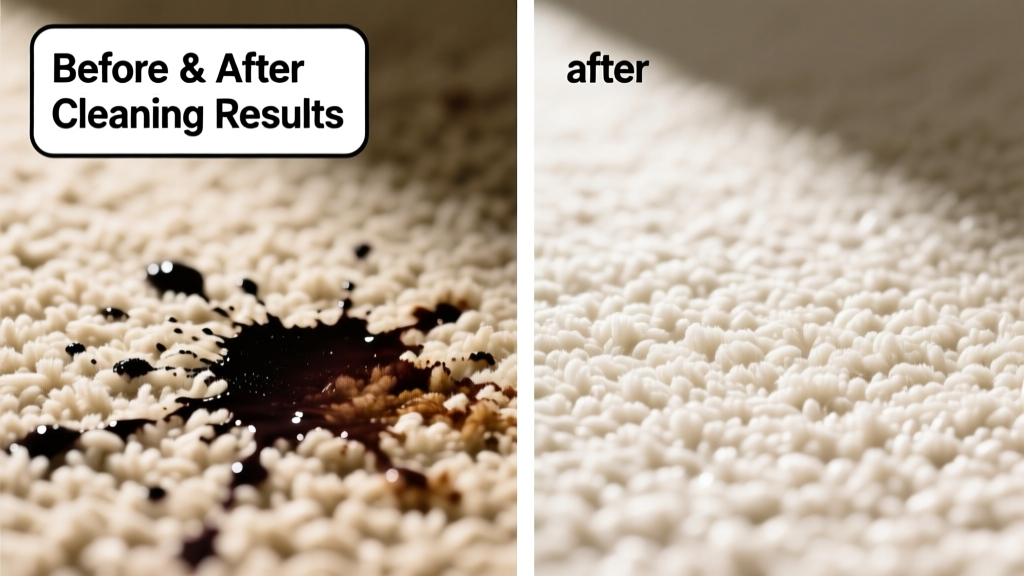
Spilled pen ink on carpet? That sharp, spreading stain triggers instant panic — especially when it’s a light-colored Berber or high-pile wool rug. The good news: fresh ink *can* be lifted in most cases, but speed and method matter more than you think. Acting within 5–10 minutes boosts success rates by over 70%, according to the Carpet and Rug Institute’s 2022 Stain Response Study.
What You Need
| Item | Why It’s Used | Avg. Cost |
|---|---|---|
| Isopropyl alcohol (90%+) | Breaks down dye molecules without bleaching most synthetics | $4.99 |
| White vinegar | Neutralizes alkaline inks; safe for wool and nylon | $2.49 |
| Hydrogen peroxide (3%) | Oxidizes stubborn ballpoint or gel ink; use only on colorfast carpets | $1.99 |
| Microfiber cloths (lint-free) | Prevents fiber abrasion and wicking during blotting | $8.99 for pack of 6 |
| Carpet stain remover (e.g., Resolve Pet Stain & Odor) | Enzyme-activated formula for ink mixed with other residues | $6.49 |
Step-by-Step Removal Process
- Blot immediately — Use a dry, white microfiber cloth. Press firmly—don’t rub—to lift surface ink before it penetrates deeper fibers.
- Test first — Apply isopropyl alcohol to an inconspicuous corner (e.g., under furniture leg). Wait 2 minutes. If color lifts or bleeds, skip alcohol and try vinegar instead.
- Apply solvent — Dampen (not soak) a fresh cloth with 90% isopropyl alcohol. Blot gently in circular motions, rotating the cloth frequently to avoid re-depositing ink.
- Rinse and neutralize — Dab area with cloth dampened in 1:1 white vinegar/water. This halts alcohol activity and prevents fiber drying.
- Dry thoroughly — Place dry towels weighted with books over the spot for 2 hours. Replace towels if damp. Never use heat (hair dryer, steam cleaner) — it sets ink permanently.
For dried ink older than 24 hours, combine 1 tsp hydrogen peroxide + 1 tsp dish soap + 2 tbsp water. Apply with cotton swab, wait 90 seconds, then blot. Repeat up to three times — but stop if discoloration appears.
Surface-Specific Tips
Different carpet fibers react uniquely to solvents. Knowing yours prevents costly mistakes.
- Nylon (most common residential carpet): Responds well to alcohol and vinegar. Avoid bleach-based cleaners — they yellow fibers over time.
- Polypropylene (olefin, often in basements or rentals): Alcohol works reliably, but never use hydrogen peroxide — it causes irreversible fading.
- Wool or wool-blend rugs: Use only cold vinegar solution or wool-safe enzyme cleaner. Alcohol degrades keratin proteins and weakens fibers.
- Berber loop pile: Work from edge inward to avoid pushing ink into adjacent loops. Use swabs—not cloths—for precision.
Can I use hand sanitizer?
Only if it’s 90%+ alcohol and fragrance-free. Many gels contain glycerin or aloe, which leave sticky residues that attract dirt. Skip branded gels like Purell — they’re formulated for skin, not carpet.
Will vinegar bleach my carpet?
No — white vinegar is pH 2.4 and won’t bleach synthetic fibers. But it *can* dull the luster of solution-dyed nylon if overused. Always dilute 1:1 and rinse with plain water after treatment.
What if it’s permanent marker?
Sharpie-style ink contains xylene or toluene — stronger solvents needed. Try acetone on a cotton swab, but only on nylon or polypropylene. Test first: acetone melts acrylic and damages wool instantly.
Does freezing work?
No. Freezing solidifies ink but doesn’t break molecular bonds. It may even push pigment deeper as ice crystals expand in fibers. Skip DIY freezer hacks — they delay real action.
Can I steam clean after treating ink?
Avoid steam cleaning for at least 72 hours post-treatment. Heat reactivates residual dye and drives it deeper. Instead, vacuum lightly after full drying to restore pile texture.
What NOT to Do
- Don’t scrub — Aggressive rubbing grinds ink into the backing and spreads it laterally.
- Don’t use hot water — Heat coagulates ink proteins and locks dye into fibers, especially with gel or fountain pen inks.
- Don’t layer cleaners — Mixing vinegar + peroxide creates peracetic acid, a corrosive irritant that damages carpet backing and padding.
- Don’t walk on the spot while wet — Foot traffic embeds ink and soil into damp fibers, turning a spot into a permanent shadow.
"The single biggest factor in ink removal isn’t the product—it’s dwell time. Let your solvent sit for 60–90 seconds *before* blotting. Rushing this step drops success rates by 40%." — Carla Mendez, Lead Technician, Stanley Steemer National Training Center (2023)
Prevention
Ink spills happen most often near desks, kids’ homework zones, and entryway benches. Prevention isn’t about banning pens — it’s about smart placement and quick-response habits.
- Use washable ink pens (like Pilot FriXion erasable) in high-risk areas.
- Place small, washable mats under desk chairs and reading nooks — they catch drips before they hit carpet.
- Keep a 2-oz spray bottle of 90% isopropyl alcohol and microfiber cloths in your home office or kids’ study drawer.
- Train household members to ‘blot, don’t wipe’ — post a 3-second visual guide near common spill zones.
If ink has set for more than 48 hours or covers over 4 inches in diameter, call a professional. Certified IICRC technicians use UV light assessment and low-moisture extraction that outperforms DIY attempts — especially on delicate blends like silk/wool area rugs. For deep-set stains, consider spot dyeing or fiber replacement rather than risking further damage.