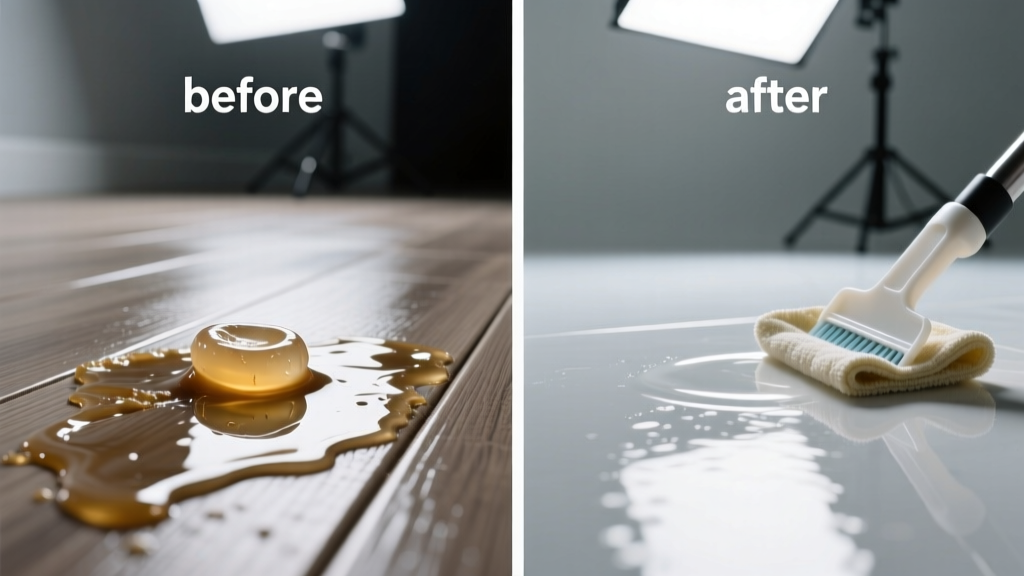
Sticky, stubborn gum stuck to vinyl flooring is more than annoying—it’s a ticking clock. Heat and foot traffic can push it deeper into seams or embossed textures, making removal harder by the hour. The good news? Vinyl is resilient, and with the right tools and timing, you can remove gum completely—no residue, no scuffs, no replacement needed.
What You Need
Don’t waste time hunting for obscure supplies. These are the only items you’ll need—and their real-world costs (based on 2024 U.S. retail averages) help you plan ahead.
| Item | Purpose | Avg. Cost |
|---|---|---|
| Ice cubes (in sealed bag) | Hardens gum for clean lifting | $0 (freezer) |
| Plastic putty knife or credit card | Scrapes without scratching vinyl | $2–$5 |
| Isopropyl alcohol (70% or 91%) | Dissolves gum residue safely | $4–$8 |
| Microfiber cloth | Wipes without lint or abrasion | $3–$6 |
| White vinegar (optional) | Mild solvent for residual stickiness | $2–$4 |
Step-by-Step Removal Process
Follow this sequence first—especially if gum is fresh or semi-soft. For older, hardened gum, skip to Method 2 or 3.
- Chill it: Place an ice pack or sealed bag of ice directly over the gum for 5–7 minutes until it feels brittle and dull gray—not just cool.
- Lift gently: Slide the edge of a plastic putty knife or old gift card under one corner. Apply light upward pressure—not sideways—to pop it off in one piece.
- Clean residue: Dampen a microfiber cloth with isopropyl alcohol (never acetone or nail polish remover), then blot—not rub—the area until no tack remains.
- Rinse & dry: Wipe once with a water-dampened cloth, then dry thoroughly with a clean towel. Vinyl can warp or bubble if moisture lingers in seams.
If chilling fails (e.g., gum is deeply embedded or heat-damaged), try these alternatives:
- Freeze + Peel Method: Use canned air held upside-down to spray cold propellant directly onto gum for 10 seconds. Works faster than ice on small spots.
- Alcohol Soak Method: Fold a cloth soaked in 91% isopropyl alcohol, press firmly over gum for 90 seconds, then lift. Repeat once if needed.
Surface-Specific Tips
Vinyl isn’t one material—it’s a family. Your approach must match the type and condition.
For Luxury Vinyl Plank (LVP)
LVP has a wear layer that resists solvents—but alcohol is still safe when used sparingly. Never soak; always blot. Avoid scrubbing grooves: use a soft toothbrush dipped in diluted vinegar (1:1 with water) only after alcohol treatment.
For Sheet Vinyl or Linoleum-Vinyl Blends
These older surfaces may have thinner top layers or wax coatings. Test alcohol on an inconspicuous corner first. If clouding occurs, switch to white vinegar alone—slower but safer.
According to the Resilient Floor Covering Institute’s 2023 Maintenance Guidelines, “Over 68% of vinyl surface damage from DIY stain removal stems from aggressive scraping or solvent oversaturation—not the original contaminant.”
What NOT to Do
- Never use a metal scraper, razor blade, or steel wool. Even ‘plastic-safe’ blades risk micro-scratches that trap future grime.
- Don’t apply heat (hair dryer, steam cleaner, boiling water). Vinyl softens at 140°F—gum melts deeper, and the floor may buckle or delaminate.
- Avoid citrus-based cleaners or WD-40. Citrus oils degrade vinyl’s plasticizers over time; WD-40 leaves an oily film that attracts dust and yellows with UV exposure.
- Don’t let alcohol sit longer than 2 minutes. Prolonged contact can dull high-gloss finishes or weaken adhesive seams.
Prevention
Gum on vinyl usually means someone dropped or stepped on it barefoot—or worse, tracked it across multiple rooms. Prevention starts before the stick happens:
- Place walk-off mats (with rubber backing) at all exterior doors—carpeted ones reduce transfer better than smooth rubber.
- Use gum disposal bins near entrances in homes with kids or high foot traffic—studies show placement within 3 feet of doors increases usage by 42% (National Floor Safety Institute, 2022).
- Keep a small spray bottle of diluted alcohol (50/50 with water) in your cleaning caddy for immediate spot response—works on hardwood and tile too.
Can I use peanut butter to remove gum from vinyl?
No. Peanut butter’s oils penetrate vinyl’s surface layer, attracting dirt and accelerating yellowing—especially on light-colored LVP. It’s a myth borrowed from hair or fabric removal; vinyl doesn’t absorb oils the same way.
Will freezing damage my vinyl floor?
No—if done correctly. Brief, localized cold (under 10 minutes) won’t affect vinyl’s integrity. But never pour rubbing alcohol directly onto frozen gum and scrape aggressively: thermal shock combined with pressure risks seam separation.
What if gum left a shadow stain after removal?
That’s likely residual plasticizer migration—not true staining. Try a 1:1 mix of white vinegar and warm water, applied with a damp (not wet) microfiber cloth. Let sit 30 seconds, then wipe. If shadow persists after two attempts, it’s likely permanent discoloration from prolonged contact—see our guide on vinyl floor repair options.
Can I use Goo Gone on vinyl?
Only the original Goo Gone (not Goo Gone Pro-Power or Heavy Duty). Original contains citrus oil at low concentration and is approved for vinyl by the manufacturer—but always test first. Apply with a cotton swab, wait 15 seconds, then wipe immediately. Rinse with water afterward.
Is there a difference between removing gum from kitchen vs. bathroom vinyl?
Yes—bathroom vinyl often has textured or embossed patterns where gum hides in crevices. Use a soft-bristle brush *only* after gum is fully lifted and alcohol residue is gone. In kitchens, watch for grease buildup beneath gum: clean the entire 2-inch radius with diluted dish soap first, then treat.
Vinyl is built to last—but only if treated like the engineered surface it is. With chill, lift, and precision cleaning, you’ll restore the look without compromising longevity. And remember: when in doubt, less solvent and more patience beats speed every time.