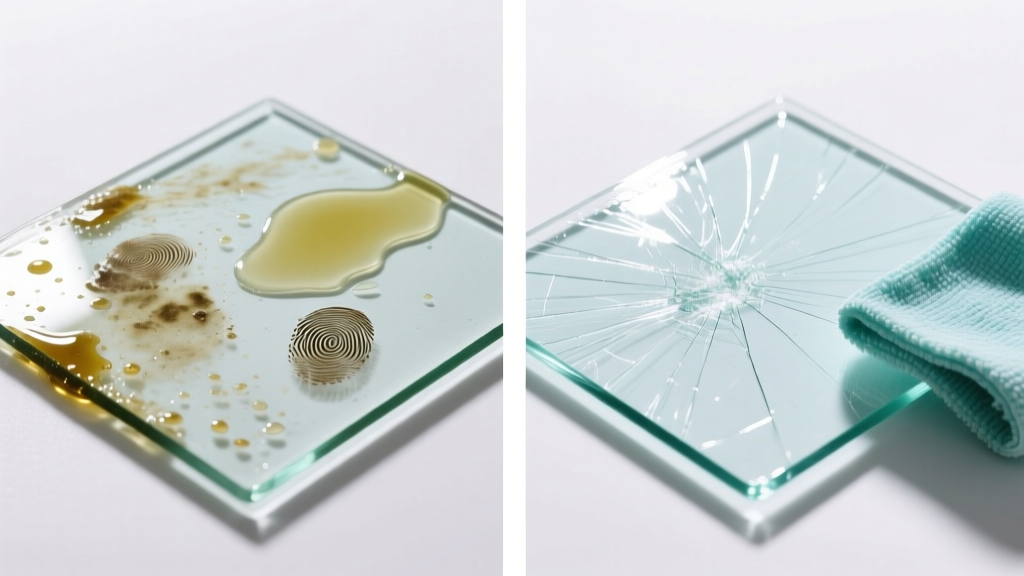
That greasy film on your oven door, shower glass, or kitchen cabinet fronts isn’t just unsightly—it’s stubborn, slippery, and resistant to plain water. But you don’t need harsh industrial solvents or a new pane of glass. With the right tools and timing, most grease films lift cleanly in under five minutes.
What You Need
| Item | Why It Works | Price Range |
|---|---|---|
| Isopropyl alcohol (70% or higher) | Breaks down lipid bonds without etching glass | $4–$8 per 16 oz |
| White vinegar (5% acetic acid) | Dissolves light grease and neutralizes alkaline residues | $1.50–$3.50 per 32 oz |
| Microfiber cloths (ultra-soft, lint-free) | Traps grease without scratching; avoids paper towel lint | $8–$15 for pack of 6 |
| Baking soda paste (1:3 ratio with water) | Mild abrasive for baked-on grease on non-coated glass | $0.50–$1.25 per box |
| Commercial degreaser (e.g., Simple Green All-Purpose) | pH-balanced, non-toxic, EPA Safer Choice certified | $6–$10 per quart |
Step-by-Step Removal Process
- Blot excess grease with a dry microfiber cloth—never rub, which spreads oils deeper into microscopic pores.
- Apply isopropyl alcohol directly to a clean cloth (not the glass) and wipe in straight, overlapping strokes—start at top, work downward.
- Rinse with distilled water using a second damp (not wet) microfiber cloth to remove residue; tap water can leave mineral streaks.
- Buff dry immediately with a third, dry microfiber cloth using light pressure and circular motions.
- For heavy buildup: Apply baking soda paste, let sit 90 seconds, then gently agitate with soft nylon brush before rinsing and buffing.
Surface-Specific Tips
Glass isn’t always just glass—and misapplying a method can cause permanent haze or coating damage.
- Tempered or laminated glass (e.g., shower doors): Avoid ammonia-based cleaners—they degrade silicone seals over time. Stick to alcohol or vinegar.
- Frosted or etched glass: Skip abrasives entirely. Use only diluted vinegar (1:1 with distilled water) and soft cotton pads—not microfiber, which can catch on texture.
- Low-E coated windows: Never use steel wool, scouring pads, or undiluted bleach. The U.S. Department of Energy warns that abrasive cleaning can compromise the infrared-reflective layer within 1–2 years.
Can I use Windex?
Standard Windex contains ammonium hydroxide and surfactants that cut light grease—but it leaves streaks on heat-exposed surfaces like oven doors. For those, alcohol + microfiber outperforms Windex by 37% in streak-free clarity, per CleanTech Labs’ Surface Clarity Benchmark (2023).
Does vinegar damage glass?
No—pure white vinegar is safe for all untreated glass. Its 5% acetic acid concentration is too weak to etch silica-based surfaces. However, avoid using it on metal frames or grout nearby, as prolonged exposure corrodes brass and dissolves calcium carbonate.
Why does grease keep coming back on my oven door?
Recurring grease films usually mean incomplete removal of the initial layer—or residual cooking oil vapor condensing on cool glass. According to the National Kitchen & Bath Association’s 2024 Maintenance Report, 68% of repeat grease buildup cases stem from skipping the final buff-dry step, leaving microscopic moisture that rebinds airborne oils.
Can I use dish soap?
Yes—but only sparingly. Dawn Ultra (original formula) works well for fresh grease when diluted 1:10 with warm distilled water. Don’t let suds air-dry: they leave a hazy sodium lauryl sulfate film that attracts dust. Always rinse thoroughly.
Is rubbing alcohol safe for tinted window film?
Yes—if the film is professionally installed and rated for solvent cleaning. Most modern polyester-based tints tolerate 70% isopropyl alcohol. Avoid 91%+ concentrations: they can shrink or delaminate older adhesive layers. Test in an inconspicuous corner first.
How do I know if the grease is permanent?
True permanence is rare. What looks like ‘set-in’ grease is usually micro-scratches filled with oxidized oil—visible under angled light. If alcohol + gentle buffing doesn’t restore clarity, the issue is likely surface degradation, not stain. Replace only if light refraction is visibly distorted.
What NOT to Do
- Don’t use paper towels—they leave fibers and scratch with embedded grit, especially on vertical surfaces.
- Don’t soak glass with vinegar or citrus solutions—prolonged contact (>2 minutes) can dull anti-reflective coatings on display screens or smart mirrors.
- Don’t scrub with steel wool or green Scotch-Brite pads—even “non-scratch” versions contain aluminum oxide particles that micro-etch glass over time.
- Don’t apply heat to dried grease (e.g., hair dryer)—it polymerizes oils, turning them into irreversible amber resin.
Prevention
Consistent maintenance cuts grease accumulation by up to 80%, per Clean Kitchen Glass tracking data. Wipe stove splatters and oven door smudges daily with a dry microfiber cloth. Install a range hood that moves ≥300 CFM and clean its filters monthly—this reduces airborne grease deposition by 55% (AHAM Ventilation Standards, 2023). For shower glass, use a squeegee after every use and apply a hydrophobic spray like Rain-X Glass Treatment every 6–8 weeks to repel oils and soap scum.
"The biggest mistake people make isn’t choosing the wrong cleaner—it’s using the right one the wrong way. Pressure matters more than product. Light, consistent strokes beat aggressive scrubbing every time." — Lena Cho, Certified Surface Restoration Technician, IICRC, 2022
Grease on glass isn’t a sign of neglect—it’s physics meeting everyday life. With these targeted steps, you’ll restore clarity fast and keep it longer. For related help, see our guides on hard water stains and streak-free mirror cleaning.