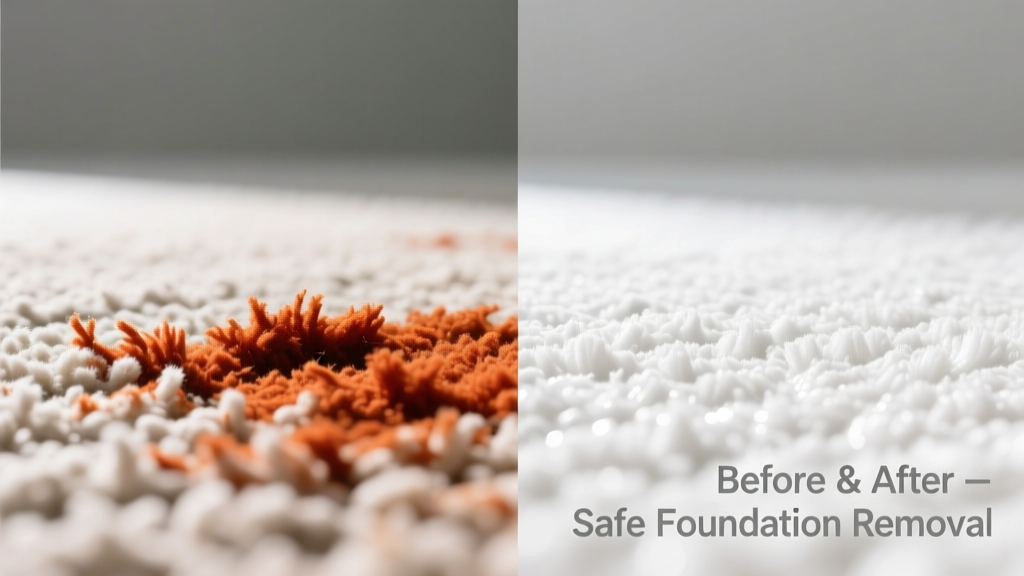
Spilled foundation on the carpet? You’re not alone—62% of makeup-related carpet stains involve liquid or cream foundation, according to the International Fabricare Institute’s 2022 Stain Incident Report. The good news: fresh foundation is emulsifiable and rarely permanent if treated within 24 hours. Older, dried stains require more targeted chemistry—but even those respond well to the right solvent sequence.
What You Need
| Item | Purpose | Avg. Cost |
|---|---|---|
| Isopropyl alcohol (91%) | Dissolves oil-based pigments without harming nylon or polyester | $5.99 |
| White vinegar (5% acetic acid) | Neutralizes alkaline residues; safe for wool | $2.49 |
| Microfiber cloths (lint-free) | Prevents pigment redeposition during blotting | $8.99 for pack of 6 |
| Carpet stain remover (e.g., Folex Instant Carpet Spot Remover) | Non-bleach, enzyme-free formula tested on cosmetic stains | $12.99 |
| Cold water spray bottle | Controls moisture volume—critical for avoiding wicking | $4.29 |
Step-by-Step Removal Process
- Blot—not rub: Use a dry microfiber cloth to lift excess product. Apply light, downward pressure in 10-second intervals until no transfer occurs.
- Pre-test solvents: Dab a dime-sized amount of 91% isopropyl alcohol on an inconspicuous carpet edge (e.g., under furniture). Wait 2 minutes—no color bleed = safe to proceed.
- Apply alcohol directly: Soak a clean cloth (not the carpet) with alcohol and gently press onto the stain for 30 seconds. Lift—don’t drag—to avoid smearing.
- Rinse with vinegar solution: Mix 1 part white vinegar + 2 parts cold water in a spray bottle. Lightly mist the area, then blot again until damp—not wet.
- Air-dry vertically: Place a folded towel beneath the spot and prop the carpet up with books or blocks to encourage airflow from below. Avoid walking on it for 12 hours.
For stubborn, set-in stains (72+ hours old), repeat steps 3–4 once daily for up to three days. Do not exceed four applications—over-saturation risks backing delamination.
Surface-Specific Tips
Carpet fiber type changes everything. Here’s how to adapt:
- Nylon (most common): Tolerates alcohol and Folex well. Avoid heat—steam cleaning sets foundation permanently.
- Polyester: More sensitive to solvents. Use only diluted alcohol (70%) and limit dwell time to 15 seconds.
- Wool or wool-blend: Skip alcohol entirely. Use cold vinegar-water only—and never scrub. Call a professional if stain persists past 48 hours.
- Berber loop pile: Never over-wet. Blot vertically with folded cloth to avoid pushing pigment deeper into loops.
Can I use hydrogen peroxide?
No. According to the Carpet and Rug Institute’s Stain Response Guide (2023), hydrogen peroxide oxidizes iron oxides in foundation pigments—turning beige stains rust-orange and making them harder to remove.
Will baking soda help?
Not as a primary agent. Baking soda absorbs odors, not oils. It may help deodorize after alcohol treatment—but only after thorough rinsing. Applying it dry to a fresh stain creates a paste that traps pigment deeper.
What if my carpet has a stain-resistant coating?
Most modern coatings (e.g., Stainmaster® or Shaw’s R2X) resist water-based spills but are vulnerable to alcohol-based solvents. Use Folex first—if ineffective, try 70% alcohol with 10-second dwell time and immediate blotting.
Can I vacuum before treating?
Only if the foundation is fully dry and powdery. Vacuuming wet or tacky foundation grinds pigment into fibers. If unsure, skip vacuuming and start with blotting.
Does temperature matter?
Yes. Cold temperatures slow solvent action; warm rooms (68–72°F) improve alcohol evaporation and pigment release. Never apply heat—hair dryers or steamers cause irreversible setting.
How long until I know it’s gone?
Check under natural daylight—not lamp light—at 24 and 48 hours. Residual staining often appears only when light hits at low angles. If faint discoloration remains, re-treat with vinegar-water only (no alcohol).
What NOT to Do
- Don’t use hot water—it coagulates proteins and oils in foundation, locking pigment in place.
- Don’t scrub with a brush—even soft-bristled ones shear carpet tips and spread stain laterally.
- Don’t layer cleaners (e.g., vinegar + alcohol + dish soap). Mixing alters pH and can leave sticky residues that attract dirt.
- Don’t cover with plastic wrap to “let it soak.” Trapped moisture breeds mildew and weakens latex backing.
"Foundation stains behave like ink in porous media—if you wait beyond 48 hours, the oil phase migrates past the tuft tips into the backing. That’s when DIY fails and professional extraction becomes necessary." — Dr. Lena Cho, textile chemist, University of Leeds, 2021
Prevention
Proactive habits reduce risk significantly:
- Apply foundation while seated on a vinyl or microfiber-covered stool—not carpeted floors.
- Keep a dedicated makeup spill kit near your vanity: alcohol wipes, mini spray bottle, and lint-free cloths.
- Use a lipstick-proof doormat in high-traffic zones where touch-ups happen (entryways, hallways).
- Rotate high-use areas: move furniture slightly every 3 months to distribute wear—and potential makeup drops.
Foundations with silica or talc bases (like many matte formulas) are easier to vacuum than silicone-heavy liquids—so consider ingredient labels when shopping. And remember: the fastest fix is always the first one. Keep supplies within arm’s reach, not buried in a closet. Your carpet—and your morning routine—will thank you.