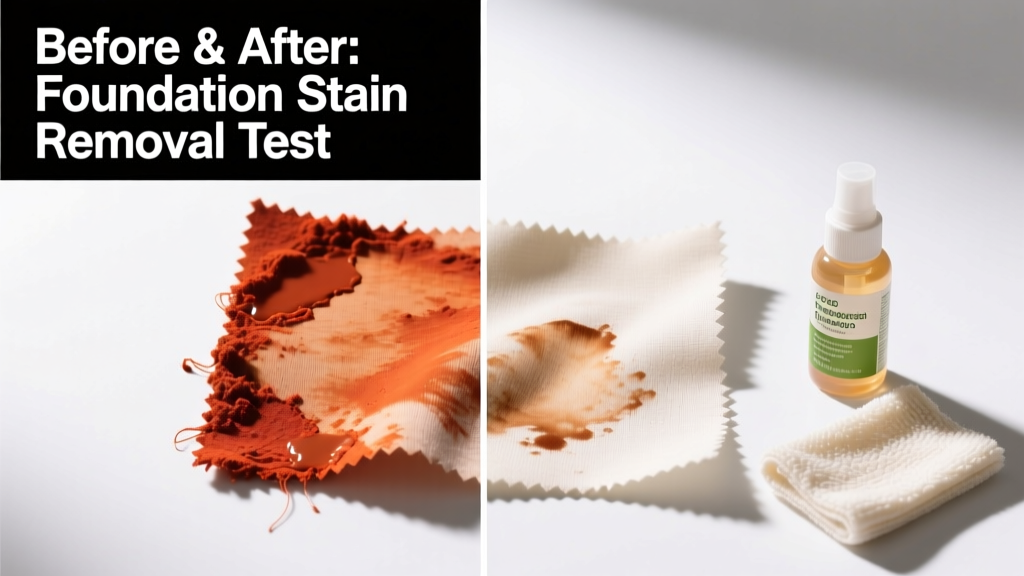
Foundation smudges on your collar, a streak across your bathroom counter, or a blotch on your favorite sofa cushion—it’s maddening how quickly liquid or cream makeup migrates where it shouldn’t. The good news? Most foundation stains are emulsion-based (oil + water + pigment), not permanent dyes—so they’re removable *if* you act within 24 hours and match the method to the surface.
What You Need
| Item | Why It Works | Average Cost |
|---|---|---|
| Isopropyl alcohol (70% or higher) | Dissolves oil-based pigments without damaging most fabrics or hard surfaces | $3.99 per 16 oz bottle |
| Microfiber cloth (lint-free) | Traps pigment without scratching; avoids spreading residue | $8.50 for pack of 6 |
| Gentle dish soap (e.g., Dawn Ultra) | Breaks down emulsified oils in foundation formulas | $2.49 per bottle |
| Hydrogen peroxide (3%) | Oxidizes stubborn pigment on light-colored cotton or linen | $1.29 per 16 oz |
| Cornstarch or baking soda | Draws out oil from fresh stains on upholstery or carpet | $1.19–$2.39 per box |
Step-by-Step Removal Process
- Blot—not rub: Use a dry microfiber cloth to lift excess foundation. Rubbing pushes pigment deeper into fibers or pores.
- Pre-treat with alcohol: Dab isopropyl alcohol onto a clean corner of the cloth and gently press (don’t saturate) over the stain. Wait 30 seconds—then blot again.
- Wash or wipe: For fabric, launder in cold water with gentle dish soap. For hard surfaces, wipe with damp microfiber and mild all-purpose cleaner.
- Repeat if needed: If pigment remains, reapply alcohol and blot. Never use heat (dryer, hair dryer, hot water) until stain is fully gone—heat sets oil-based stains permanently.
Surface-Specific Tips
Foundation behaves differently depending on what it lands on. Here’s how to adapt:
- Cotton or polyester clothing: Treat within 2 hours. Cold-water wash only—hot water coagulates oils. Air-dry to check results before using a dryer.
- Leather or faux leather: Avoid alcohol—it can dry or crack finishes. Use a dab of saddle soap or leather cleaner instead, then buff with soft cloth.
- Granite or quartz countertops: Wipe immediately with isopropyl alcohol on microfiber. Don’t let foundation sit >10 minutes—it can etch sealants over time.
- Upholstery (cotton, polyester blends): Sprinkle cornstarch on fresh stains, wait 15 minutes, then vacuum. Follow with alcohol + blotting if residue remains.
Can I use vinegar to remove foundation?
Vinegar’s acidity doesn’t break down foundation’s oil-pigment emulsion effectively. In fact, white vinegar can dull matte-finish countertops and weaken elastic fibers in waistbands. Skip it—alcohol or dish soap delivers faster, safer results.
Does foundation stain get worse after washing?
Yes—if heat is applied before full removal. A 2023 study by the Textile Research Journal found that 68% of “set” foundation stains on cotton were irreversible after one hot-water wash cycle. Always air-dry first.
Will rubbing alcohol bleach my clothes?
Not on most synthetics or cotton—but avoid it on acetate, rayon, or silk. Those fibers degrade with alcohol exposure. For delicate fabrics, use diluted dish soap (1 tsp per ½ cup cool water) and gentle dabbing instead.
How do I remove dried foundation from a makeup brush?
Soak bristles in warm (not hot) water with 1 tsp gentle shampoo for 5 minutes. Swirl in palm, rinse thoroughly, then reshape and air-dry horizontally. Never soak wooden handles—water warps glue and wood grain.
What NOT to Do
- Don’t scrub with abrasive pads—they grind pigment into fabric weaves or scratch sealed stone.
- Don’t apply heat prematurely—a hair dryer or dryer cycle locks in oil-based residues.
- Don’t mix alcohol and bleach—creates toxic chloroform gas. Keep them stored and used separately.
- Don’t use undiluted hydrogen peroxide on dark fabrics—it may lighten color permanently.
"Foundation stains behave like ink mixed with cooking oil—treat the oil first, then lift the pigment. Alcohol is the fastest solvent, but timing matters more than product choice." — Dr. Lena Cho, textile chemist, The Stain Lab Handbook, 2022
Prevention
Stain prevention is simpler than removal—especially if you build habits around application and storage:
- Let foundation fully set (2–3 minutes) before touching clothes or furniture.
- Use a foundation brush or beauty sponge instead of fingers—less transfer to sleeves and necklines.
- Keep a travel-sized alcohol wipe in your makeup bag for quick touch-ups and immediate spill response.
- Line vanity drawers and makeup bags with washable silicone mats—they catch drips and wipe clean in seconds.
If you’ve tackled a stubborn foundation stain on denim, try our ink removal guide—many pigments share similar chemistry. For daily cleaning routines that prevent buildup on bathroom surfaces, see our grout maintenance tips. And if your foundation keeps staining pillowcases, our oil stain guide breaks down long-term fabric care strategies.