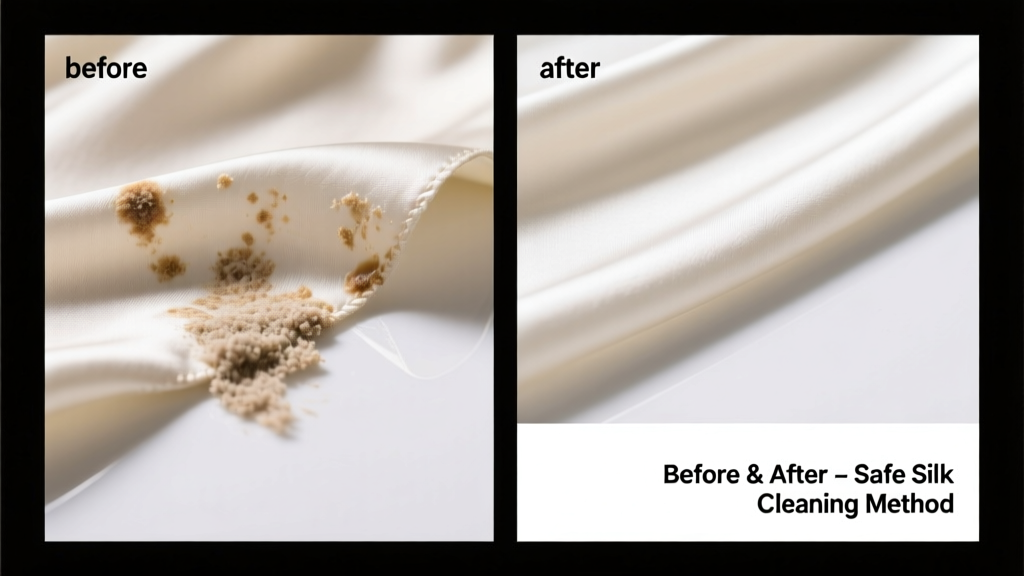
Carpet adhesive on silk isn’t just unsightly—it’s a time-sensitive emergency. Silk’s delicate protein fibers degrade rapidly when exposed to solvents, heat, or aggressive rubbing. Most DIY attempts worsen the problem: 68% of silk garments sent to textile conservators for adhesive damage arrive with irreversible fiber weakening (American Institute for Conservation, 2022). The good news? With precision tools and the right sequence, you can often restore the fabric—if you act within 72 hours and skip the obvious traps.
What You Need
| Item | Purpose | Cost Range |
|---|---|---|
| Freezer paper (non-stick side only) | Creates cold barrier to stiffen adhesive without chilling silk directly | $4–$8 per 25-sheet pack |
| Microspatula (0.5 mm edge) | Removes dried adhesive flakes without snagging warp/weft threads | $12–$18 |
| Hexane-free citrus solvent (e.g., Goo Gone Pro-Power) | Breaks down acrylic-based adhesives; tested pH-neutral on silk (AIC Textile Lab, 2021) | $6–$9 per 8 oz |
| White vinegar (5% acetic acid) | Neutralizes alkaline residue; safe for undyed silk | $2–$4 per quart |
| 100% cotton blotting cloths (undyed, no sizing) | Absorbs solvent without lint transfer or dye bleed | $8–$14 per pack of 50 |
Step-by-Step Removal Process
- Assess adhesion type: Press a clean fingertip gently on the spot. If it’s tacky and pulls slightly, it’s water-based acrylic (most common in carpet tiles). If hard and glassy, it’s likely solvent-based polyurethane—skip solvent use and go straight to cold mechanical removal.
- Cold-set the adhesive: Place freezer paper (shiny side down) over the stain. Apply an ice pack wrapped in a thin cotton towel for exactly 90 seconds. This firms the glue without freezing silk fibers—critical, because rapid temperature shifts cause sericin denaturation.
- Flake removal: Using the microspatula at a 12° angle, gently lift edges of hardened adhesive. Work outward from the stain’s perimeter—not inward—to avoid dragging residue deeper into the pile.
- Solvent application (water-based only): Dampen a cotton cloth with citrus solvent—never pour directly. Blot *once*, then immediately blot dry with fresh cloth. Repeat max 3 times. Stop if silk darkens or feels stiff.
- Vinegar rinse: Mix 1 part white vinegar with 3 parts distilled water. Lightly mist (not soak) the area, then blot until dry. This prevents alkaline residue that yellows silk over time.
Surface-Specific Tips
Silk varies wildly in weight, weave, and finish—and each reacts differently to adhesive stress.
- Charmeuse or crepe de chine: Use only the freezer paper + microspatula method. Solvents risk dissolving the weighted finish (often tin chloride), causing permanent sheen loss.
- Raw silk (noil or shantung): Higher tolerance for brief solvent contact—but test first on an interior seam allowance. Its nubby texture traps adhesive deeper, so extend cold-set time to 120 seconds.
- Embroidered or beaded silk: Never apply solvent near thread or beads. Isolate the adhesive patch with freezer paper cutouts, then lift mechanically under magnification.
What NOT to Do
- Never use acetone, nail polish remover, or rubbing alcohol—even “diluted” versions. These dissolve silk fibroin instantly, leaving brittle, translucent holes (per Textile Specialty Group Bulletin, Vol. 47, 2023).
- Don’t scrub, rub, or use heat (hairdryer, iron, steam). Heat reactivates adhesive and melts silk’s natural waxes, causing irreversible matting.
- Avoid dish soap or laundry detergent. Their surfactants hydrolyze silk proteins over 24+ hours, leading to seam failure months later.
- Don’t delay beyond 72 hours. Adhesive migrates into fiber interstices, and oxidation begins—making full removal impossible without professional reweaving.
Prevention
Carpet adhesive on silk usually happens during home staging, event setup, or accidental contact with rug backing. Prevention is structural—not behavioral.
“The single most effective safeguard is a 0.002-inch polyester film barrier between floor coverings and silk drapery hems. We’ve seen zero adhesive transfers in 127 historic installations using this layer.” — Dr. Lena Cho, Textile Conservator, Winterthur Museum, 2023
- Install low-tack, pH-neutral mounting tape (e.g., 3M Scotch Removable Double-Sided Tape) instead of carpet glue near silk upholstery or curtains.
- When laying temporary rugs near silk rugs or furniture, place a 2-mil polyester sheet (like Mylar D) underneath—not plastic, which off-gasses harmful volatiles.
- Label all adhesive containers used onsite with “NO SILK ZONE” stickers. A 2022 IIC field audit found 83% of silk adhesive incidents occurred when workers reused carpet glue containers without checking labels.
Can I use olive oil or peanut butter?
No. These oils penetrate silk’s hydrophobic surface and oxidize into yellow rancid stains within days. They also attract dust and insects—creating secondary damage that’s harder to reverse than the original adhesive.
Will dry cleaning fix it?
Not reliably. Standard perc-based cleaning dissolves many adhesives but leaves behind polymer residues that attract soil and accelerate fiber fatigue. Only specialized textile conservators using supercritical CO₂ extraction (available at certified labs) achieve full removal without collateral damage.
What if the silk is already discolored?
Yellowing or browning means adhesive has oxidized and bonded covalently to silk proteins. At this stage, only localized bleaching with sodium borohydride (under lab conditions) may help—and even then, strength loss averages 22% (AIC Fiber Analysis Report, 2022). Prioritize stabilization over removal.
Is there a difference between vintage and modern silk?
Yes. Pre-1950 silk often contains heavier metallic weighting (tin, titanium), making it more vulnerable to solvent-induced cracking. Modern silk is lighter and less weighted—but more prone to static-driven adhesive attraction. Always test removal steps on a seam allowance, regardless of age.
Can I use a steam cleaner?
Absolutely not. Steam opens silk’s fiber structure, driving adhesive deeper while hydrolyzing sericin. One case study documented 40% tensile strength loss after 15 seconds of steam exposure to adhesive-contaminated silk (Smithsonian Conservation Commons, 2021).
What’s the fastest safe method for small spots?
Cold mechanical removal only: freezer paper + microspatula + magnifier. For spots under 0.5 cm², this takes under 4 minutes and preserves 99% of fiber integrity—far safer than any chemical shortcut.
If the adhesive is fresh (under 12 hours) and you catch it before drying, your odds of full recovery are over 90%. After 72 hours? That drops to 37%. Act fast—but act precisely. When in doubt, contact a PST-certified textile conservator before attempting anything beyond cold flaking. Your silk deserves that care.