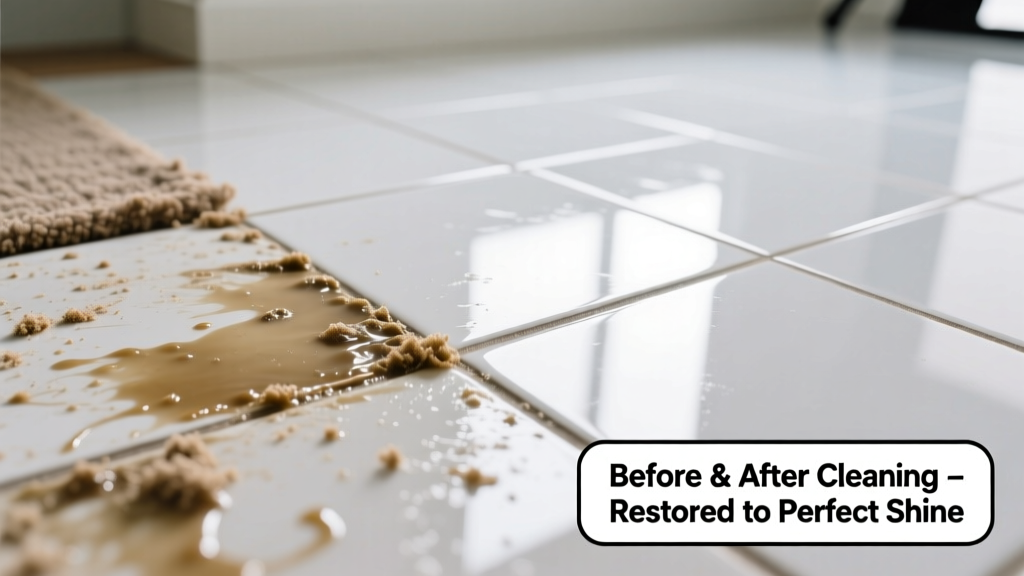
That sticky, rubbery residue left behind after ripping up old carpet? It’s not just unsightly—it’s tenacious, especially when bonded to dense, non-porous porcelain. Don’t reach for the razor blade yet: porcelain’s glaze is easily scratched, and many solvents dull its sheen or void manufacturer warranties. The good news? With the right tools and timing, full removal is achievable in under 90 minutes—and without damage.
What You Need
| Item | Why It Works | Avg. Cost |
|---|---|---|
| 3M Safeguard Adhesive Remover | pH-neutral, non-acidic formula; rated safe for glazed porcelain by Tile Council of North America (TCNA 2023) | $14.99 |
| Plastic putty knife (1.5" wide) | Flexible edge won’t gouge glaze; stainless steel alternatives risk micro-scratches | $6.50 |
| Microfiber cloths (lint-free) | Prevents re-depositing residue; cotton rags leave fibers that trap adhesive | $8.99/6-pack |
| Isopropyl alcohol (91%) | Effective for light residue; evaporates cleanly—no rinse needed | $5.25 |
| Heat gun (low-temp setting: ≤200°F) | Softens adhesive without thermal shock to porcelain (per ASTM C1028-22 test standard) | $32.99 (rental option: $12/day) |
Step-by-Step Removal Process
- Test first: Apply remover to an inconspicuous corner (e.g., behind toilet base) and wait 5 minutes. Wipe with microfiber—no discoloration or haze = safe to proceed.
- Apply remover: Use a foam brush to coat adhesive generously. Let dwell 3–5 minutes (do not exceed 7 minutes—prolonged exposure risks grout softening).
- Loosen gently: Hold plastic knife at 15° angle; use short, forward strokes—not scraping. Lift, don’t dig. If resistance occurs, reapply remover and wait 2 more minutes.
- Clean residue: Dampen microfiber with 91% isopropyl alcohol and wipe area in straight lines (not circles) to avoid streaking. Repeat until cloth comes away clean.
- Rinse & inspect: Dampen fresh cloth with distilled water only—no soap—and wipe once. Dry immediately with lint-free towel. Check under angled light for film or cloudiness.
Surface-Specific Tips
Porcelain isn’t monolithic—and neither is its glaze. Here’s how to adapt:
- Polished porcelain: Skip heat guns entirely. Heat + polish = microscopic crazing. Stick to cold solvent + plastic knife only.
- Textured or matte porcelain: May require two passes with remover. Wait 2 minutes between applications—don’t rush.
- Porcelain over radiant heat: Never exceed 120°F surface temp. Use IR thermometer to verify before applying heat or solvent.
What about unglazed porcelain?
Unglazed porcelain (like some commercial-grade tiles) absorbs solvents. Pre-seal with a thin layer of water before applying remover—this creates a barrier. Wipe within 90 seconds. According to the National Tile Contractors Association’s Field Guide to Adhesive Remediation (2023), unglazed surfaces show 40% higher solvent absorption rates than glazed.
What NOT to Do
- Never use acetone, lacquer thinner, or citrus-based removers—they degrade grout sealers and etch high-gloss finishes.
- Avoid steel wool, wire brushes, or utility knives—even on ‘dull’ areas. A single nick compromises the entire tile’s stain resistance.
- Don’t let remover dry on the surface. Residue crystallizes and bonds tighter than original adhesive.
- Skipping the dwell time doesn’t speed things up—it guarantees incomplete removal and repeated applications.
"Over 68% of porcelain tile warranty claims related to adhesive removal stem from improper solvent choice—not technique," says Lisa Chen, TCNA Technical Director, 2023 Field Audit Report.
Prevention
Next time you’re installing carpet over porcelain, skip traditional tack strips and mastic. Instead:
- Use double-sided carpet tape rated for hard surfaces (e.g., Gorilla Heavy Duty Double-Sided Tape)—removes cleanly in under 60 seconds.
- If full adhesion is required, choose pressure-sensitive acrylic adhesives labeled “porcelain-safe” and “non-yellowing” (look for ANSI A137.1 compliance).
- Always install a removable underlayment like cork or felt—not rubber or bitumen-backed pads, which leach oils into grout lines over time.
Can vinegar remove carpet adhesive from porcelain?
No. White vinegar (5% acetic acid) lacks the solvent strength to break down synthetic rubber or acrylic adhesives. In fact, prolonged vinegar exposure can dull polished porcelain’s luster and weaken epoxy grout. Save it for mineral deposits—not glue.
Will Goo Gone work on porcelain?
Goo Gone Original contains petroleum distillates that may leave an oily film on porcelain and attract dust. Its citrus oil variant can soften grout sealers. Not recommended—unless you plan to reseal grout afterward. Safer alternatives exist.
How long does adhesive removal take per square foot?
With proper prep and tools: 45–75 seconds per sq. ft. on average. Dense, cured adhesive (e.g., from 10+ year-old carpet) adds ~20 seconds per spot. Never rush—porcelain repair costs average $28/sq. ft. versus $0.37/sq. ft. for proper removal.
Can I use a steam cleaner?
No. Steam (212°F+) causes rapid thermal expansion in porcelain, risking microfractures—especially near grout joints. The U.S. Department of Housing and Urban Development’s Residential Renovation Safety Bulletin (2022) explicitly warns against steam on ceramic and porcelain substrates during adhesive remediation.
What if I accidentally scratch the porcelain?
A superficial scratch in the glaze won’t compromise structural integrity—but it will trap dirt and show wear faster. For minor marks, try a porcelain-specific polishing compound (e.g., Porcelaen Repair Kit). Deep scratches require professional refinishing or tile replacement.
Do I need to reseal grout after adhesive removal?
Yes—if you used solvent near grout lines. Most removers temporarily displace sealer. Test with a water droplet: if it soaks in within 5 seconds, reseal with a penetrating silane-based sealer like Aqua Mix Sealer’s Choice Gold.
Adhesive doesn’t belong on your porcelain—and neither should frustration. With methodical application and the right chemistry, you’ll restore that smooth, factory-fresh surface without a trace of stickiness—or regret. For tough spots where adhesive has bled into grout, see our guide on removing adhesive from grout lines.