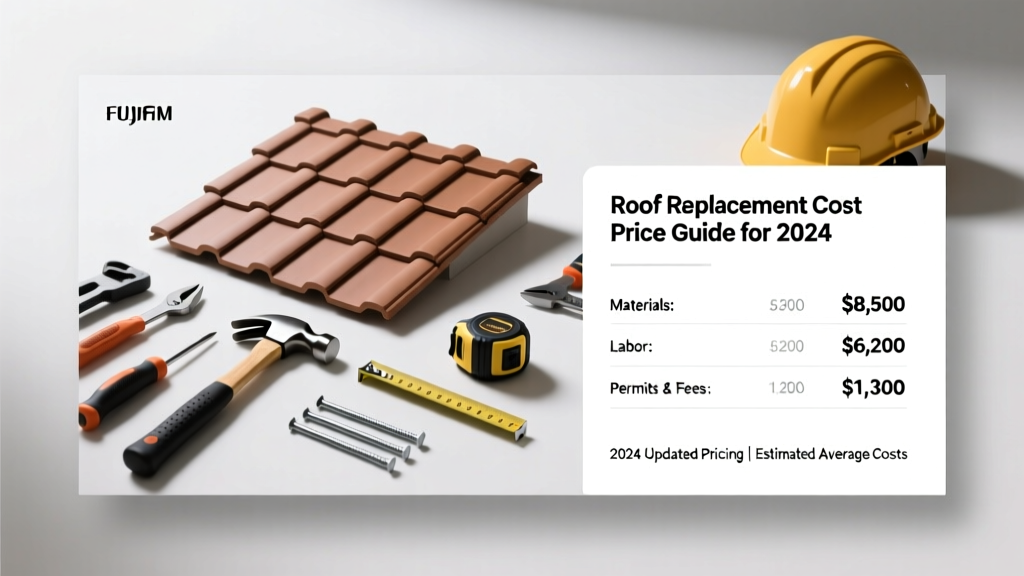
Roof replacement costs vary widely—anywhere from $5,000 to over $30,000—depending on your home’s size, roof pitch, material choice, and local labor rates. This guide breaks down real-world pricing, explains what drives those differences, and gives actionable tips to avoid overpaying.
Quick Price Range
| Service/Item | Low End | Average | High End |
|---|---|---|---|
| Asphalt shingle roof (3-tab) | $5,800 | $9,200 | $12,600 |
| Architectural asphalt shingles | $9,400 | $13,800 | $18,500 |
| Metal roof (standing seam) | $16,200 | $22,400 | $29,700 |
| Tile or slate roof | $21,500 | $31,000 | $42,800 |
What Affects the Price
Five key variables shift your final quote—sometimes by thousands. Knowing them helps you compare bids fairly and spot red flags.
- Roof square footage and complexity: A 2,000 sq ft roof with multiple valleys, dormers, and chimneys may cost 25–40% more than a simple gable roof of the same area.
- Material type: Asphalt shingles remain the most affordable; metal lasts longer but costs 2–3× more upfront. According to the National Roofing Contractors Association’s 2024 Market Survey, architectural shingles now account for 68% of residential re-roofs—up from 52% in 2020—due to better durability and mid-range pricing.
- Removal of old layers: Most municipalities require tearing off existing shingles if there are already two layers. That adds $1,200–$2,800—and extra dump fees.
- Roof pitch and accessibility: Steep roofs (over 8:12) demand fall protection, slower work, and higher liability insurance—raising labor costs by 15–25%.
- Regional labor and disposal rates: Labor in metro areas like Boston or Seattle runs $75–$95/hour versus $48–$62/hour in parts of Tennessee or Ohio.
DIY vs Professional
While DIY roof replacement is technically possible, it’s rarely advisable—or cheaper—once you factor in safety gear, rental equipment, material waste, and potential insurance complications from improper installation.
| Cost Component | DIY Estimate | Professional Estimate |
|---|---|---|
| Materials only (shingles, underlayment, flashing, nails) | $4,100 | $4,100 |
| Rental scaffolding & lift (3 days) | $620 | — |
| Labor (120+ hours at $35/hr + tools) | $4,200+ | $6,800–$8,500 |
| Permits, inspections, disposal fees | $480 | $720 |
| Insurance & liability risk | Uncapped (no coverage for injury or water damage) | Covered under contractor’s policy |
Money-Saving Tips
You don’t have to sacrifice longevity or code compliance to save. These strategies consistently lower net cost without hidden trade-offs.
- Negotiate timing: Book in late fall (October–November) or early spring (March–April). Roofers often offer 5–12% discounts during slower months—plus shorter wait times.
- Ask about manufacturer rebates: Certain GAF or Owens Corning shingle lines include $150–$500 cash-back offers when installed by certified contractors. Verify eligibility before signing.
- Get three itemized bids—not just totals. One contractor might charge less for labor but inflate material markup. Compare line items side-by-side using our how to read a roofing contract checklist.
- Reuse sound decking: If your sheathing passes inspection (no rot, sagging, or delamination), skip full replacement. That saves $1,800–$3,200 on a typical home.
How much does a 3,000 sq ft roof replacement cost?
For a 3,000 sq ft home, expect to pay $12,000–$22,000 for architectural shingles—including tear-off, new underlayment, drip edge, and flashing. Larger roofs often get volume discounts per square, but complexity (e.g., multi-level design) can offset savings.
Does insurance cover roof replacement?
Most homeowners’ policies cover replacement only if damage results from a covered peril—like hail, wind, or fallen trees—not wear and tear. According to State Farm’s 2023 Claims Data Report, only 37% of roof claims were approved for full replacement; the rest received partial repairs or were denied due to age or maintenance exclusions.
How long does a roof replacement take?
A standard 1,800–2,400 sq ft asphalt shingle job takes 1–3 days with a 3-person crew. Metal or tile installations run 5–10 days. Weather delays, permit reviews, or unexpected decking damage can add 2–5 days. Always ask your contractor for a written schedule—and clarify how rain days affect deadlines.
Can I finance roof replacement?
Yes—through contractor-offered plans (often 0% interest for 12–24 months), home equity loans (APR ~7.2% as of Q2 2024), or unsecured personal loans (APR 10–24%). Avoid high-fee “roofing credit cards” that charge 29.99% after the promo period. For long-term value, see our home equity loan vs personal loan comparison.
How do I find a reliable roofer?
Start with referrals from neighbors who had recent work done—not just online reviews. Then verify their license with your state’s contractor board, check for at least $2M general liability coverage, and confirm they’re certified by major manufacturers (e.g., GAF Master Elite or CertainTeed SELECT). As roofing contractor Maria Chen of Portland RoofWorks advises:
"If a bid is 20% below market average, ask what’s excluded—not what’s included. Missing ice & water shield, subpar flashing, or skipped flashing details cause 80% of post-install leaks we fix within two years."
What’s the best time of year to replace a roof?
Early summer (June–early July) offers dry weather and contractor availability—but prices peak then. Late fall provides better pricing and stable temperatures ideal for shingle adhesion. Avoid winter (below 40°F) unless using cold-weather shingles and experienced crews—cold makes asphalt brittle and prone to cracking during installation.
Replacing your roof is one of the largest home investments you’ll make—but it doesn’t have to be a financial surprise. With transparent pricing benchmarks, smart timing, and careful vetting, you can secure durable protection at a fair price. For related planning, explore our roof inspection cost and gutter replacement cost guides.