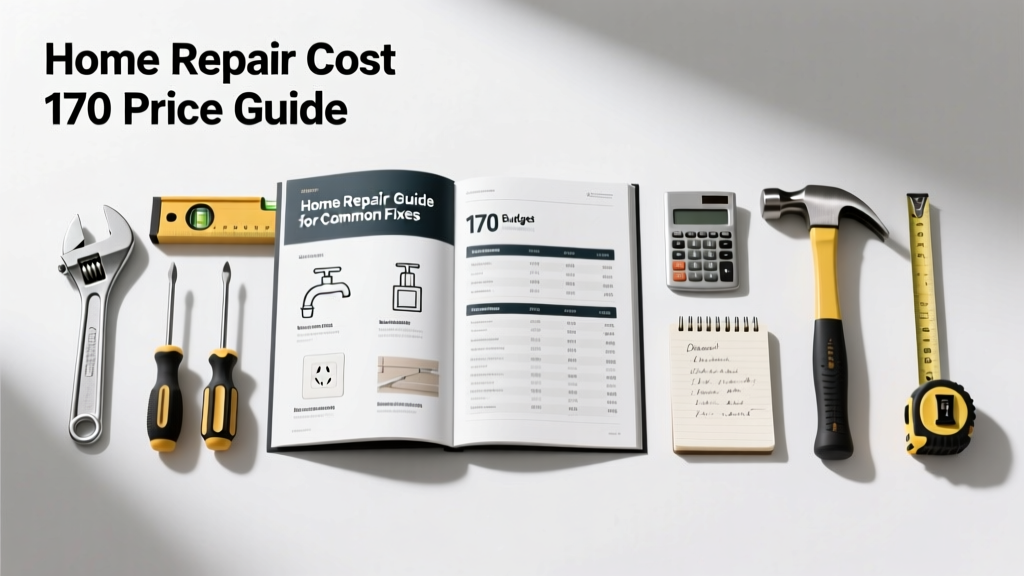
Home repair cost code '170' isn’t a universal standard — it’s often an internal job-tracking number used by contractors, insurers, or property managers to categorize mid-tier electrical, plumbing, or drywall repairs (e.g., replacing a bathroom exhaust fan, fixing a leaking shower valve, or patching a 4'×6' drywall section). Because it’s not standardized, pricing varies widely based on scope, location, and who does the work. This guide breaks down typical services falling under this label, what drives cost differences, and how to avoid overpaying.
Quick Price Range
| Service/Item | Low End | Average | High End |
|---|---|---|---|
| Replace bathroom exhaust fan (including wiring & drywall patch) | $185 | $320 | $540 |
| Repair leaking shower valve (cartridge replacement + reseal) | $210 | $365 | $620 |
| Repair 4'×6' drywall section (cut, replace, tape, texture, paint) | $290 | $445 | $710 |
| Install GFCI outlet + circuit check (single-location) | $160 | $285 | $430 |
What Affects the Price
Five key variables shift the final bill — sometimes by hundreds of dollars:
- Access complexity: Removing tile backer board behind a shower valve adds $120–$220 in labor and material vs. accessing a valve behind drywall.
- Code compliance: Upgrading to current NEC or IPC standards (e.g., adding AFCI breakers or pressure-balancing valves) can add 15–30% to labor time and parts.
- Material grade: A basic Delta cartridge ($22) vs. a Moen ExactTemp ($89) changes parts cost significantly — and affects long-term reliability.
- Geographic labor rates: Median hourly rates range from $68/hour in Memphis (2023 NABR data) to $112/hour in San Francisco (BLS May 2023).
- Urgency: Same-day service fees average $95–$175 on top of base labor — especially for weekend or after-hours calls.
DIY vs Professional
If you have intermediate skills and own basic tools, some Cost 170 jobs are viable DIY projects — but missteps risk code violations or insurance exclusions. Here’s how costs compare for a typical shower valve repair:
| Cost Component | DIY | Professional |
|---|---|---|
| Parts (cartridge, silicone, escutcheon) | $22–$89 | $22–$89 |
| Labor (self-time) | $0 | $240–$480 (3–6 hrs @ $80–$100/hr) |
| Permit & inspection fee (if required) | $0–$125 (varies by municipality) | Included in contractor quote |
| Risk cost (leak damage, failed inspection) | Up to $1,200 (per Insurance Institute for Business & Home Safety's 2023 report on DIY water damage claims) | Insured & warranty-covered |
Money-Saving Tips
You don’t have to sacrifice quality to cut costs. These tactics consistently reduce bills without increasing risk:
- Bundle multiple small repairs into one service call — many contractors waive trip fees for 2+ items.
- Ask for a line-item quote before work begins;
"If your quote doesn’t break out labor, materials, and overhead separately, request it — 68% of homeowners overpay when markup is buried," says contractor trainer Lisa Chen, HomePro Academy 2022.
- Buy your own materials (with contractor approval) — you’ll save 15–25% on parts, especially for name-brand fixtures.
- Schedule non-urgent work in off-peak months (January–March); some electricians and plumbers offer 8–12% discounts then.
- Verify licensing and insurance — unlicensed workers may charge less upfront but lack liability coverage if something goes wrong.
Is Cost 170 covered by homeowners insurance?
Generally no — insurance covers sudden, accidental damage (like a burst pipe), not wear-and-tear repairs like a failing shower valve or aging exhaust fan. However, if the failure leads to water damage that meets your policy’s ‘covered peril’ criteria, the resulting damage *may* be reimbursable. Always document pre-repair conditions with photos and get a written cause-of-loss statement from your contractor.
How long does a typical Cost 170 repair take?
Most fall within a 2–6 hour window. Drywall patching takes longest due to drying time between coats — though skilled pros can complete sanding, texturing, and touch-up painting in one visit. Electrical and plumbing items usually finish same-day unless hidden damage (e.g., rotted framing or outdated wiring) is uncovered.
Can I negotiate the Cost 170 quote?
Yes — especially if you’re paying cash, scheduling flexibly, or bundling work. One-third of contractors accept 5–10% reductions for upfront payment (National Association of Home Builders 2023 Remodeling Market Report). Avoid haggling over labor rate alone; instead, ask for value adjustments — e.g., “Can we use a reliable mid-tier fixture instead of the premium model to hit our budget?”
Why do two contractors quote wildly different amounts for the same Cost 170 job?
Differences often reflect scope assumptions — one may include drywall refinishing while another assumes you’ll paint; one may factor in disposal fees, another won’t. Always compare apples-to-apples: ask each to define exactly what’s included in prep, cleanup, and warranty. A $200 difference could mean a 90-day vs. 2-year labor warranty — not just cheaper labor.
Are permits required for Cost 170 repairs?
It depends on your municipality and scope. Replacing a shower valve typically requires a plumbing permit in 37 states (International Code Council 2021 Plumbing Code Adoption Map). Drywall repairs rarely do — unless structural framing is altered. When in doubt, ask your contractor; reputable ones will pull permits as part of the job. Skipping them risks failed inspections during resale or denied insurance claims.
Understanding Cost 170 isn’t about memorizing a number — it’s about recognizing the pattern: these are targeted, moderate-scope repairs where preparation, transparency, and timing matter more than the label itself. For related guidance, see our drywall repair cost breakdown and shower valve replacement cost analysis.